
Routes
Hanoi Bridges by Motorcycle: Which One Should You Use?
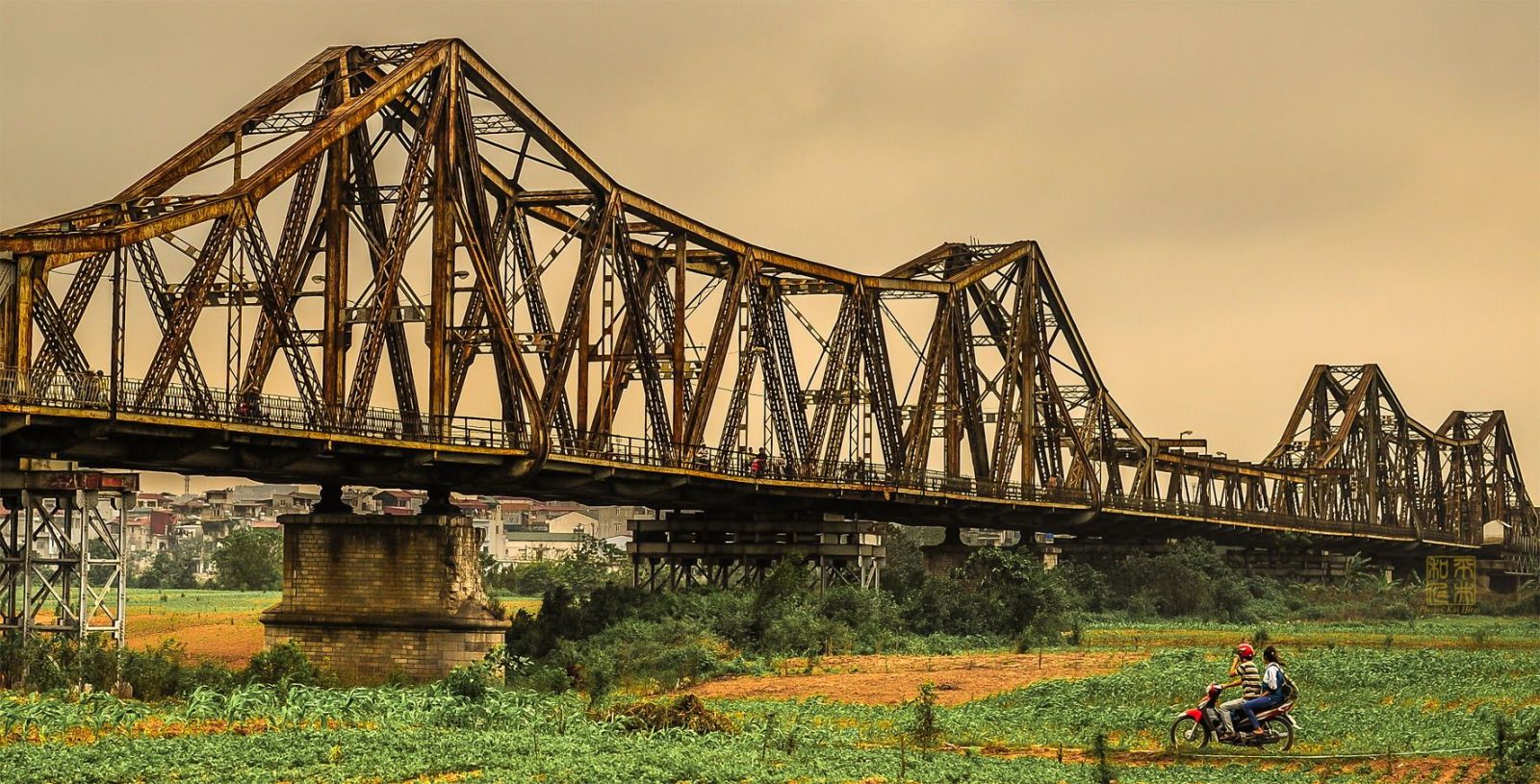
Choosing the right bridge can make leaving Hanoi by motorcycle much easier. The wrong crossing can add unnecessary traffic and awkward junctions before the trip has properly begun.
The right bridge depends on where you are starting, where you are heading and which side of the Red River your route uses. This guide focuses on the six established crossings most useful to riders leaving or returning to Hanoi, then connects them to the routes we actually use on northern motorcycle trips.
Which Hanoi Bridge Should You Use?
There is no single best bridge in Hanoi. Nhat Tan and Thang Long are useful for northern and northwestern exits, Long Bien and Chuong Duong are convenient from the centre, while Vinh Tuy and Thanh Tri make more sense for eastern and southern approaches.
Use the table as a quick starting point, then check the bridge notes and your actual route before leaving. Hanoi traffic organisation does change, so road signs and current lane markings always take priority over an old screenshot or saved navigation route.
| Bridge | Best starting area | Most useful for | Rider note |
|---|---|---|---|
| Thang Long | West / northwest Hanoi | Northern and northwestern exits | Large approach; choose lanes early |
| Nhat Tan | Tay Ho / north-central Hanoi | Northern routes and airport side | Wide and straightforward; follow signed lanes |
| Long Bien | Old Quarter / Hoan Kiem | Central to northeast crossing | Narrow and characterful; avoid rush hour |
| Chuong Duong | Hoan Kiem / central Hanoi | Bac Son, Lang Son and northeast | Very useful central crossing; often busy |
| Vinh Tuy | Hai Ba Trung / south-central | East, Hai Phong, Ha Long, some Ninh Binh routes | Broad modern crossing; use the signed mixed lane |
| Thanh Tri | South Hanoi | Eastern and southeastern corridors | Heavy commercial traffic; practical rather than scenic |
| Tu Lien | Tây Hồ / north-central Hanoi | Future northern access via Đông Anh | Expected to improve access towards the Hà Nội–Thái Nguyên corridor; not yet open |
| Tran Hung Dao | Central Hanoi | Future east / northeast access via Long Biên | Expected to reduce pressure on central crossings and improve east/northeast departures; not yet open |
For a first-time rider, I would normally choose the crossing that gives the simplest approach rather than chasing the shortest line on the map. Ten extra kilometres on an easy road is often better than ten minutes of last-second lane changes in central Hanoi.
Using the Dyke Roads Between Bridges
The roads running along the Red River dykes can be useful when you need to move between bridge approaches without heading back through central Hanoi. On the Long Bien side, the dyke corridor helps connect the Chuong Duong area with roads leading east and northeast, while riverside roads on the Hanoi side can also help you reposition north or south before choosing a crossing.
For a motorcycle rider, that means the first bridge choice does not always have to be final. If traffic is poor or one crossing no longer suits the route, the dyke roads can sometimes give you a cleaner way to reach another bridge. This network should become even more useful as new crossings such as Tran Hung Dao Bridge are completed.
The Six Main Hanoi Bridges for Motorcycle Riders
Thang Long Bridge
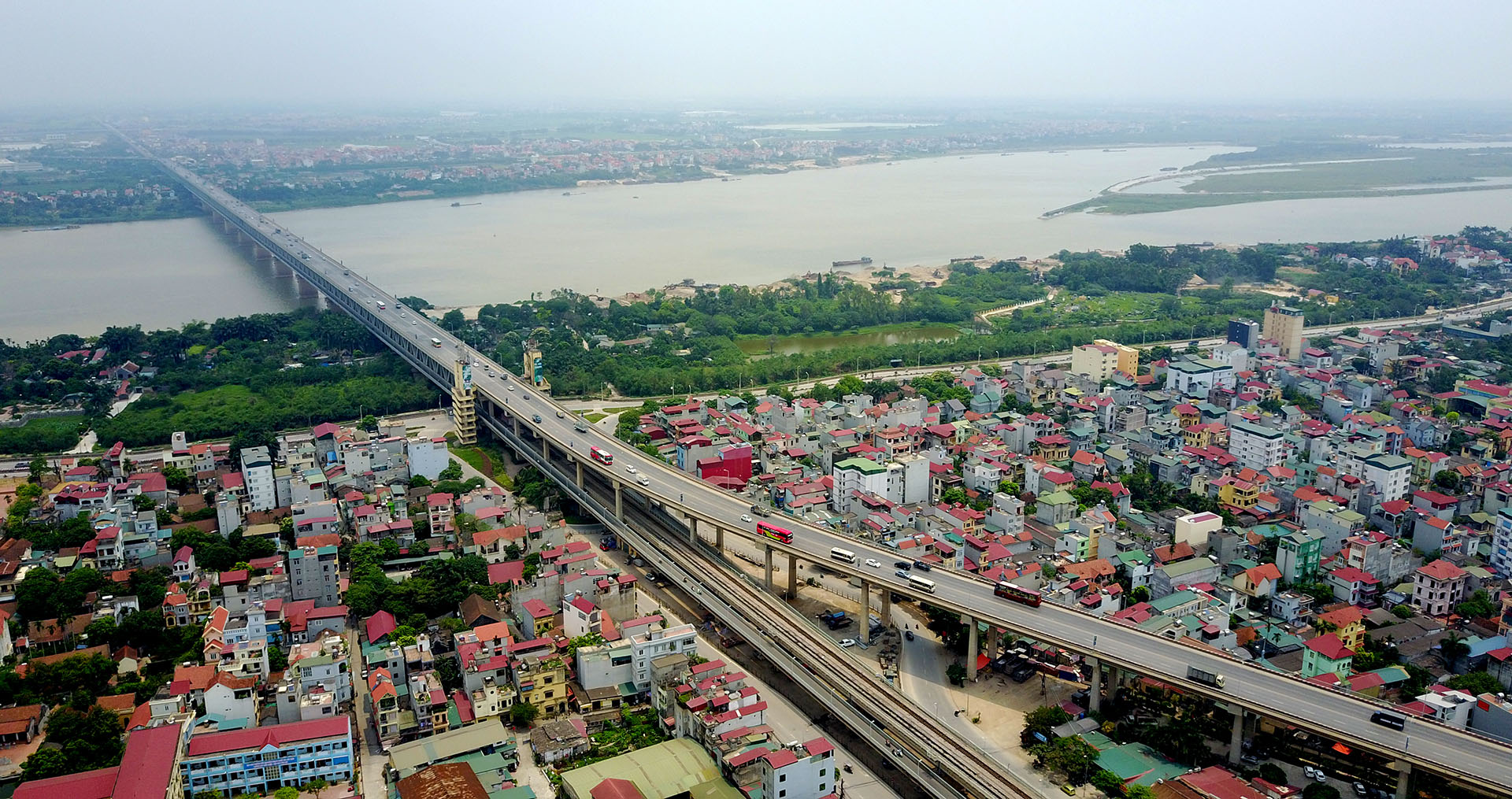
Thang Long is the older major northern crossing and can still be useful if your route is taking you towards the western or northern side of the city. It is a large, busy piece of infrastructure and the approaches can feel confusing if you are new to Hanoi, so get into the correct lane early and follow the signs rather than making a late correction.
I would use Thang Long when it fits the route naturally, not simply because it looks close on Google Maps. If Nhat Tan gives you a cleaner run from your starting point, the newer crossing is usually the less stressful option.
Nhat Tan Bridge
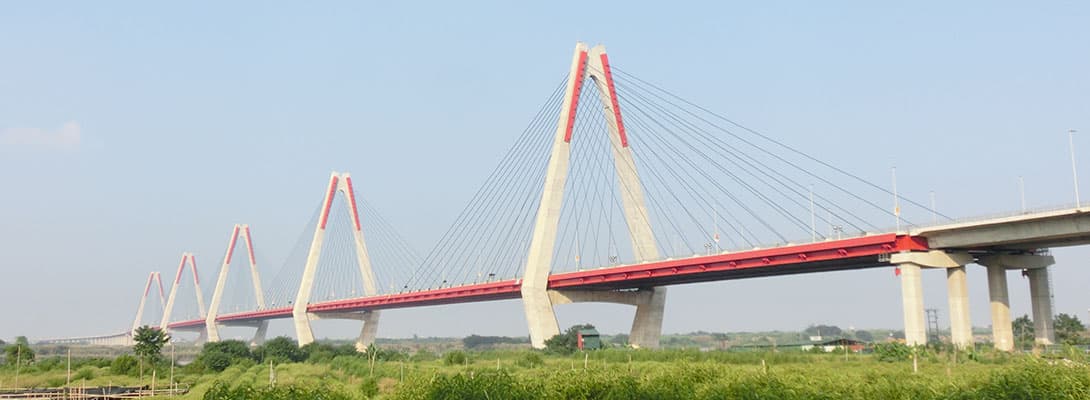
Nhat Tan is one of the easiest major Red River crossings to understand and is particularly useful from Tay Ho and the northern side of central Hanoi. The bridge and the Vo Chi Cong approach are wide, but lane separation is important, so motorcycle riders need to stay in the signed mixed or motorcycle lanes rather than drifting into car-only lanes.
This is often a useful way to start routes towards the north and northwest, including journeys that later connect with Vinh Phuc, Tuyen Quang, Ha Giang or the western side of the northern route network. It is also a sensible airport-side crossing if that is where your accommodation or bike collection point puts you.
Long Bien Bridge
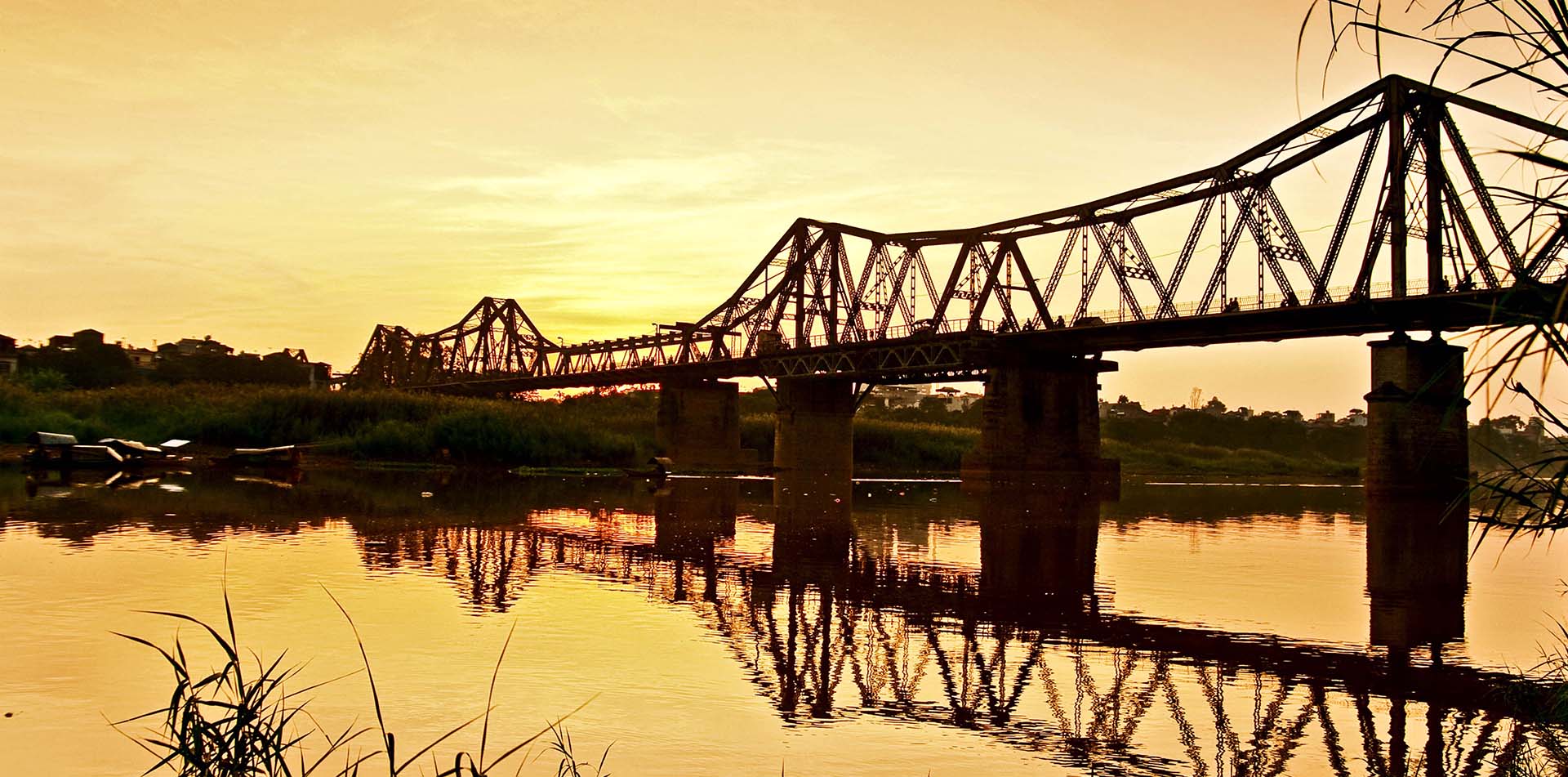
Long Bien is the most characterful crossing in Hanoi and the one that feels most like part of the city rather than just a road. After repairs in spring 2026, motorcycles, bicycles and pedestrians were allowed back across in both directions from 28 May, using the repaired side lanes.
The bridge is narrow and can become very busy, so I would not choose it simply because it is famous. Outside peak traffic it can be a pleasant and memorable way to cross from the Old Quarter side towards Long Bien and the northeast, but during rush hour Chuong Duong may be the more practical choice.
Chuong Duong Bridge
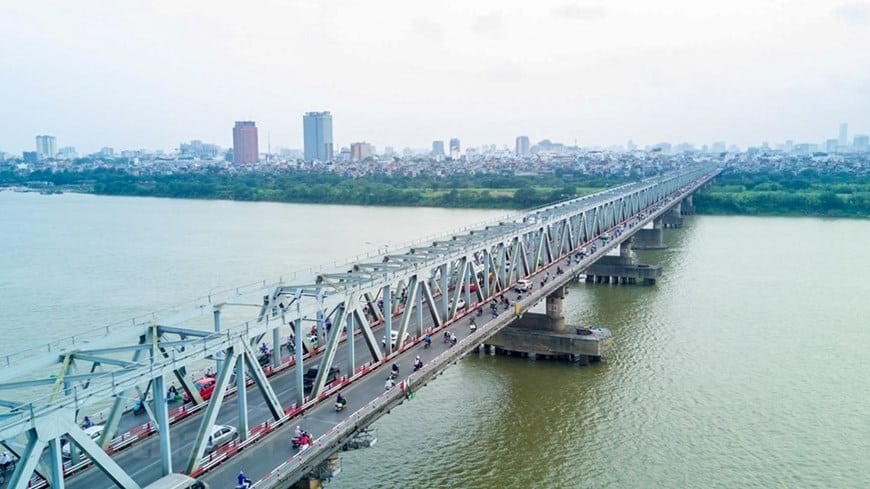
Chuong Duong sits close to Long Bien and is one of the most useful crossings from Hoan Kiem and the Old Quarter. It carries a lot of traffic, but the route on and off the bridge is relatively direct, which makes it useful when you want to get onto the eastern side of the river without heading far north or south first.
For northeast trips towards Bac Giang, Lang Son, Bac Son or the eastern side of Cao Bang, this is often a logical central-city option. Do not confuse a convenient bridge with a fast escape, though; the junctions at both ends can still be busy, especially at commuting times.
Vinh Tuy Bridge
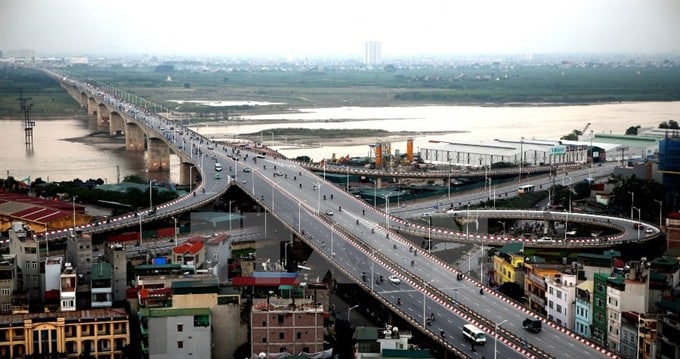
Vinh Tuy is a very useful crossing from Hai Ba Trung and the southern side of central Hanoi. The crossing is broad and modern, but the approaches carry several traffic streams, so follow current lane signs and position yourself early before the ramps.
This is a good option for riders heading east towards Hung Yen, Hai Phong or Ha Long, and it can also fit some Ninh Binh routes that first follow the eastern side of the Red River. It is less useful if your first destination is north or northwest because you would be giving away distance before the trip has begun.
Thanh Tri Bridge
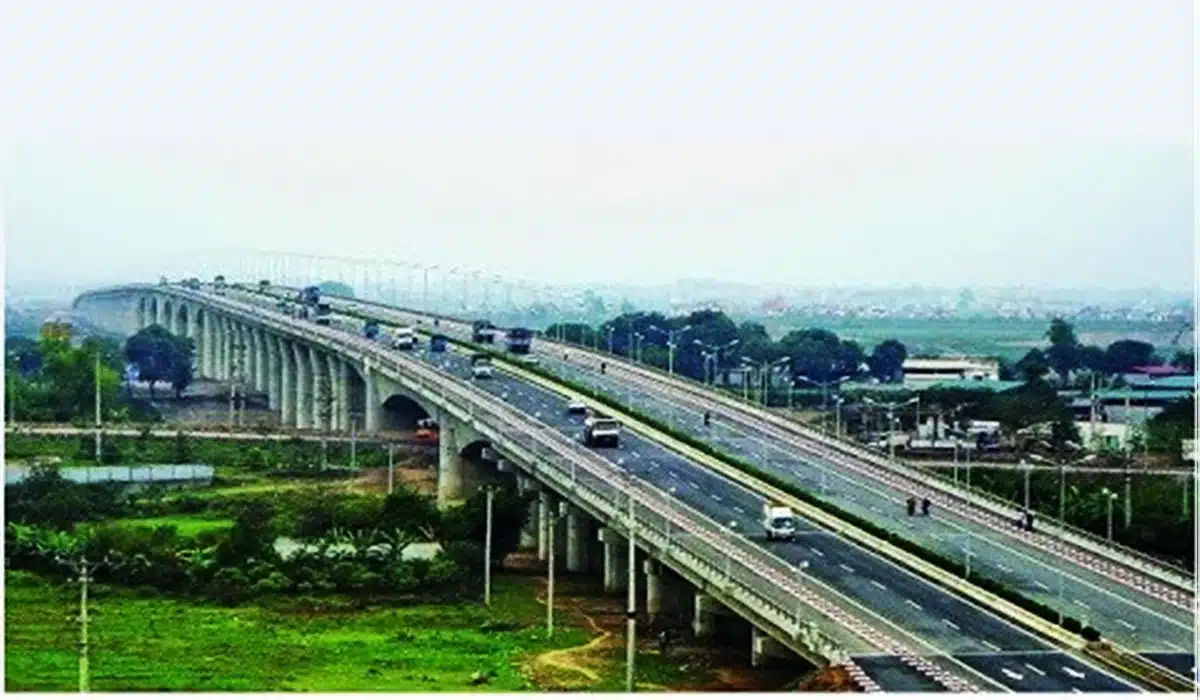
Thanh Tri is the southernmost of the six crossings in this guide and is mainly useful when your starting point or route is already on the south side of Hanoi. It carries heavy commercial traffic, so I would treat it as a practical transport crossing rather than part of the enjoyable riding day.
It can make sense for routes linking the southern districts with the eastern side of the city, Highway 5 corridors or some longer journeys towards Hai Phong and Ha Long. From the Old Quarter or Tay Ho, I would rarely ride south just to use it unless the rest of the route clearly justified that choice.
Two New Bridges That Will Matter to Riders
Hanoi is also building two crossings that will matter to riders heading out of the city: Tu Lien Bridge and Tran Hung Dao Bridge.
Tu Lien Bridge will connect the Tay Ho side of Hanoi with Dong Anh, and a new road is being built from the bridge towards the Hanoi–Thai Nguyen Expressway, which should make northern departures much cleaner once the project is complete.
Tran Hung Dao Bridge will connect the central city with Long Bien and the eastern side of Hanoi. That should reduce pressure on Long Bien, Chuong Duong and Vinh Tuy and give riders another useful way to start east and northeast-bound trips. Both projects are under construction, with Hanoi currently targeting completion in 2027, although major infrastructure schedules can still change.
Which Bridge Should You Use for Your Destination?
The easiest way to choose a bridge is to start with the destination rather than the bridge itself. Your first proper waypoint should pull you towards the correct side of Hanoi, and the bridge should simply help you get there with the least unnecessary city riding.
Ha Giang, Vu Linh and the Northwest Side of the North
For Ha Giang, Vu Linh and routes that leave Hanoi on the western or northwestern side, Nhat Tan or Thang Long can make sense depending on where you begin. Our Hanoi to Ha Giang guide and Hanoi to Vu Linh route map show the bigger picture, so use those routes first and let the bridge choice follow from them rather than choosing a bridge in isolation.
If your trip is heading southwest towards Mai Chau, Hoa Binh or Pu Luong, you may not need to cross the Red River at all. The Hanoi to Mai Chau route map is a good example of why destination planning should come before bridge planning.
Ba Be, Bac Kan and Cao Bang
Ba Be and Bac Kan usually pull you north or northeast through the Thai Nguyen corridor. Depending on your starting point, a northern crossing or a central crossing can both work, so I would use the Hanoi to Bac Kan or Hanoi to Ba Be Lake map and choose the bridge that gives the cleanest connection to the intended first road.
The same principle applies if Cao Bang is your eventual destination. Do not try to solve the whole journey from Hanoi with one navigation instruction; choose the first day, the first overnight and the correct A-to-B route, then work backwards to the most sensible Hanoi exit.
Lang Son, Bac Son and That Khe
For Lang Son, Bac Son and the eastern side of the northeast, Chuong Duong, Long Bien or Vinh Tuy can all be useful depending on where you start. The Hanoi to Lang Son and Hanoi to That Khe maps show different ways to build that first day, including more direct roads and slower rural alternatives.
If you are staying near Hoan Kiem, Chuong Duong is often the obvious central crossing. If you are already south of the centre, Vinh Tuy may save you from riding back into city traffic before you can begin heading northeast.
Hai Phong, Ha Long, Cat Ba and Ninh Binh
For Hai Phong, Ha Long and Cat Ba, Vinh Tuy and Thanh Tri are useful because they put you onto the eastern and southeastern side of the city. Chuong Duong can also work from central Hanoi, but I would compare the whole route rather than choosing whichever bridge looks nearest.
Ninh Binh is different because many routes simply head south without needing a Red River crossing. Our Hanoi to Ninh Binh route map includes a quieter option that works through the Red River and Hung Yen side, so a bridge can be part of the ride, but it is not compulsory.
Practical Bridge Approach Tips
Allow Time for the Approach
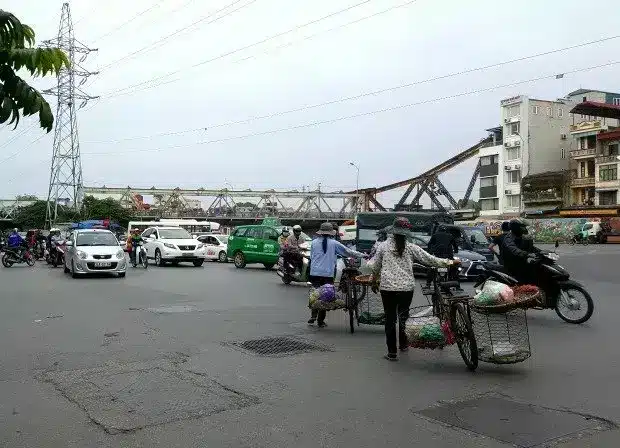
The bridge itself is often not the slow part; reaching it through Hanoi traffic is. Leave enough time for paperwork, luggage and the approach, and avoid choosing a bridge purely because a navigation estimate is a few minutes shorter. Our Driving in Hanoi guide covers the city-riding side, while Early or Late in Vietnam looks at departure timing.
Check the Navigation Before You Ride
Navigation apps can still suggest expressways or restricted roads that are unsuitable for ordinary motorcycles. Check the first section before leaving, follow current road signs, and set a useful waypoint beyond the bridge so the app commits to the corridor you actually want. See our CT Roads and Google Maps guide for the full setup.
Plan the Return Crossing Too
The final approach to Hanoi deserves the same attention as the departure. Choose the bridge before you reach the city, save the exact return location and allow extra margin if traffic is building; the best bridge home may not be the same one you used on day one.
Treat the Return to Hanoi the Same Way
From the Bridge to the Route

Once you have chosen the crossing, the next decision is the first overnight stop and the road that gets you there. If that part is still unclear, use our How to Get Out of Hanoi by Motorcycle – Best Routes guide; it compares the main departure corridors and first-night options, while this page stays focused on the bridge itself.
Then open the relevant A-to-B route map for the day’s roads, stops and alternatives. From there you can continue into the wider route-map network or a longer loop without asking one bridge article to solve the whole trip.
When the route is clear, choose the motorcycle that suits it. Our Hanoi motorcycle rentals cover different bike types, while our Northern Vietnam motorcycle tours are the simpler option if you would rather have the route, accommodation and daily logistics organised.
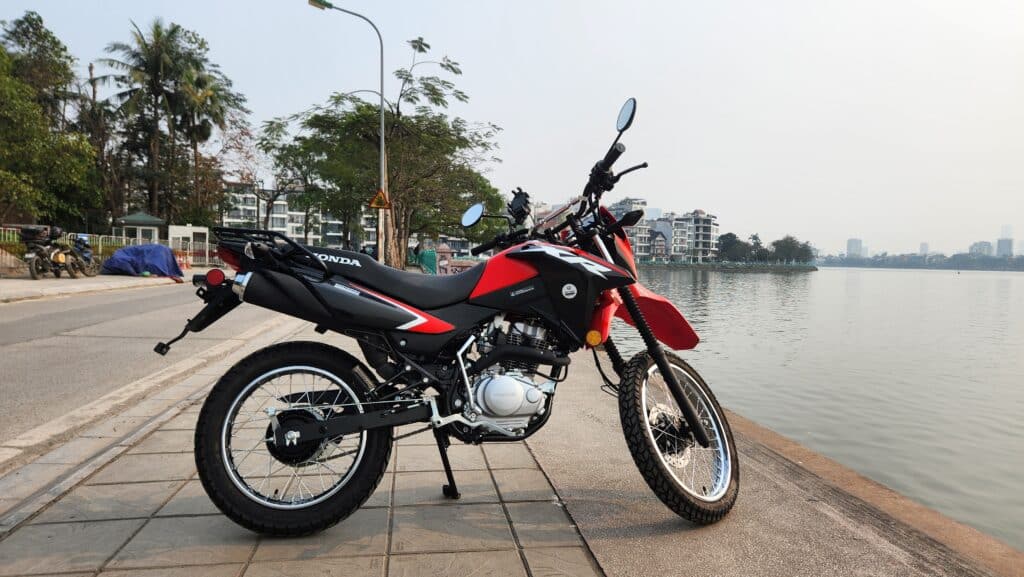
Honda XR 150 Motorcycle Rental
Ready for adventure? The Honda XR150 is your perfect companion for rugged backroads, mountain passes, and open highways.
✅ Lightweight, reliable, and fuel-efficient
✅ Comfortable for long rides and multi-day tours
✅ Trusted by riders across Vietnam for the legendary Ha Giang Loop
FAQ
Which is the best bridge to leave Hanoi by motorcycle?
There is no single best bridge because it depends on your starting point and destination. Nhat Tan is often straightforward for northern exits, Chuong Duong is convenient from central Hanoi, and Vinh Tuy works well for eastern or southeastern routes.
Can motorcycles use Long Bien Bridge?
Yes. After temporary repairs and closure in spring 2026, motorcycles, bicycles and pedestrians were allowed back across Long Bien Bridge in both directions from 28 May 2026. Traffic arrangements can change, so always follow current signs and local instructions.
Which bridge should I use from Hanoi to Ha Giang?
Nhat Tan or Thang Long can both fit a Ha Giang departure depending on where you start and which first-day route you use. I would open the Hanoi to Ha Giang route first and choose the bridge that connects cleanly to that route rather than selecting a bridge by distance alone.
Which bridge should I use from Hanoi to Lang Son?
From central Hanoi, Chuong Duong is often convenient, while Long Bien or Vinh Tuy may suit other starting points. The correct choice depends on whether you are taking the direct northeast corridor or a slower route through smaller roads.
Do I need to cross the Red River to ride from Hanoi to Mai Chau?
Usually not. Mai Chau is southwest of Hanoi, so most practical routes head west towards Hoa Binh without using one of the six Red River bridges in this guide. This is a good example of why you should choose the destination route before choosing a bridge.
Choose the Bridge That Makes the Route Easier
The best Hanoi bridge is the one that puts you on the correct side of the city with the least unnecessary traffic. Start with the destination rather than the bridge itself, and let the route pull you towards the most sensible crossing.
If you are still deciding which direction or first night to choose, use our How to Get Out of Hanoi by Motorcycle – Best Routes guide. Once the destination is clear, open the relevant route map and use current road signs and lane markings to confirm the final approach.