
Safety + Legality
Driving in Hanoi – 12 Top Tips from an Expat
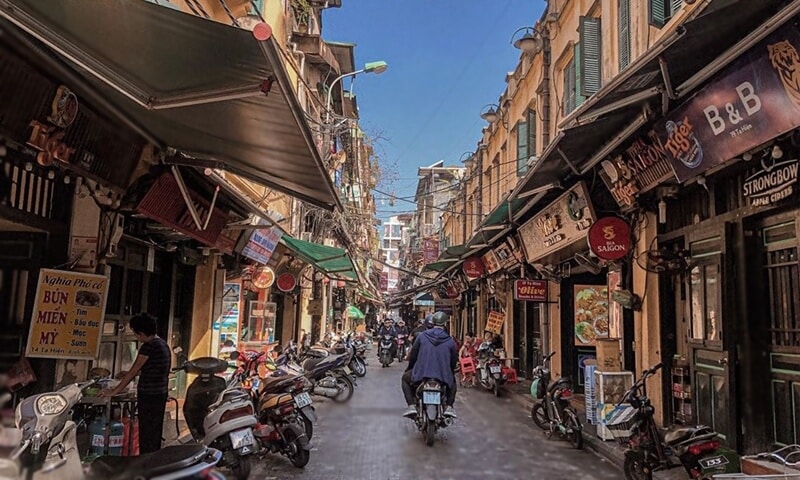
Hanoi traffic can look chaotic when you first arrive, but much of it is slow, dense and easier to read once you understand how vehicles move around each other. The aim is not to copy every local habit. It is to remain predictable, leave yourself space and recognise problems early enough to avoid them.
These are practical observations from years of riding and renting motorcycles in Hanoi. They are not a substitute for the formal road rules. If your question is about licences, IDPs, fines or what you are legally allowed to ride, use our How to Drive a Motorcycle Legally in Vietnam guide instead.
Before You Join Hanoi Traffic
Be Honest About Your Experience
Hanoi is not a good place to learn basic motorcycle control. If braking, balance, slow-speed turns or clutch control still need conscious thought, dense city traffic gives you very little spare attention for everything happening around you.
You do not need to be an expert, but you should be comfortable controlling the motorcycle at walking pace, stopping smoothly and changing direction without panic. If the bike itself already feels difficult, the traffic will magnify the problem.
Avoid the Busiest Commuting Peaks When You Can
Recent Hanoi traffic data shows the sharpest daily pressure around 07:30–08:30 and 17:30–18:30. Treat those as the centres of the busiest periods rather than hard boundaries; congestion can build earlier, continue later and change quickly with weather, school traffic or an incident.
If you are new to riding in Hanoi, a quieter departure is usually worth more than saving twenty minutes on paper. This is especially true on the first day of a tour when you are still learning the motorcycle, loading luggage and navigating an unfamiliar city.
Set Up the Bike Before You Move
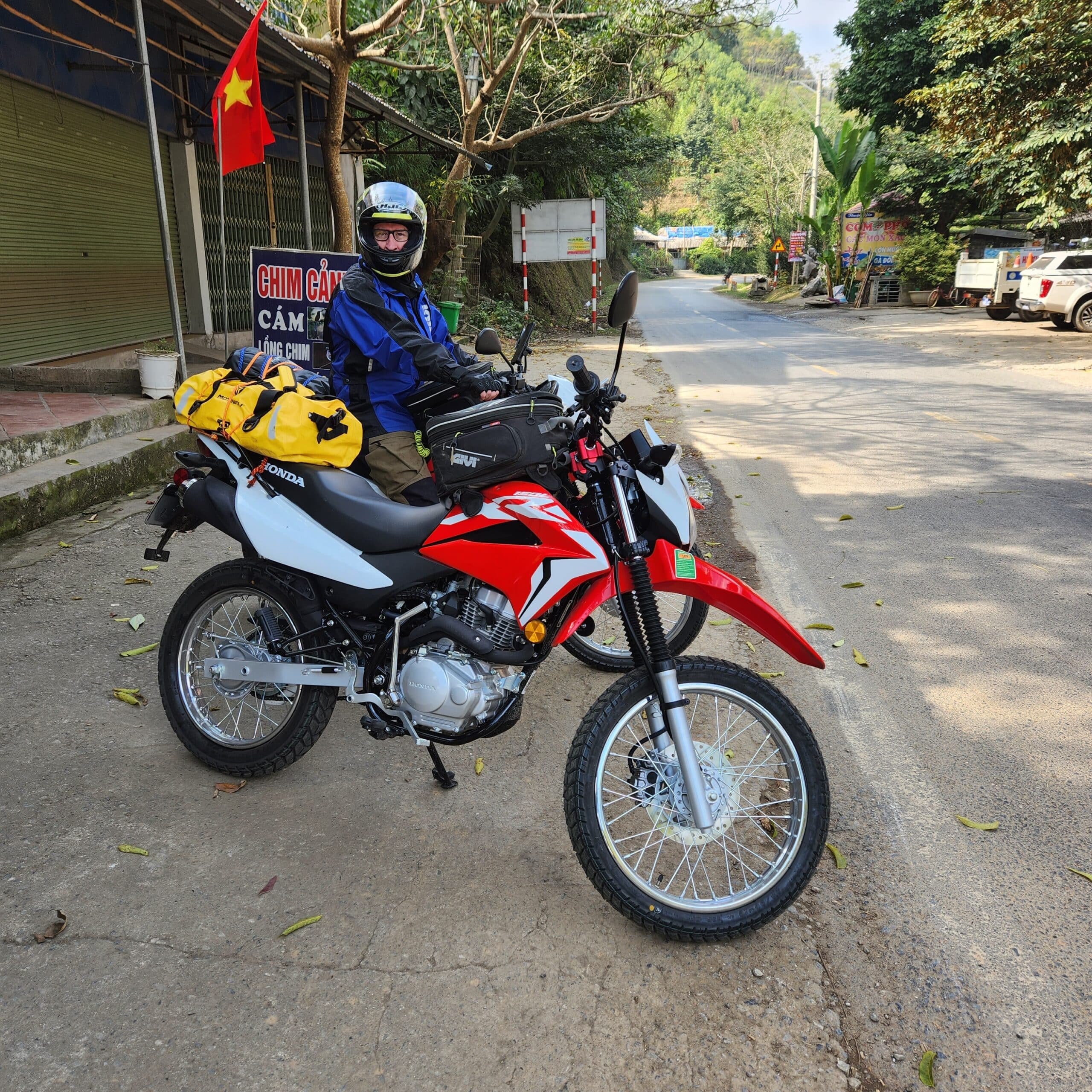
A motorcycle that feels easy when empty can feel very different with panniers, a duffel bag or a passenger. Extra weight affects low-speed balance, braking and the amount of space you need when filtering or turning.
Set the mirrors, secure the luggage, check that nothing interferes with the controls and make sure you can put your feet down comfortably before joining traffic. Fixing a loose strap at the side of a busy Hanoi road is much harder than spending another five minutes on it before you leave.
Expat Rentals
Live here? Ride like you own it. Our long-term expat rentals are made for those working or living in Vietnam.
✅ Cost-effective monthly rates
✅ Flexible contracts, full maintenance support
✅ Ride like a local: Hanoi, Danang, or Ho Chi Minh City
Read the Flow
Look Further Ahead — and Still Use Your Mirrors
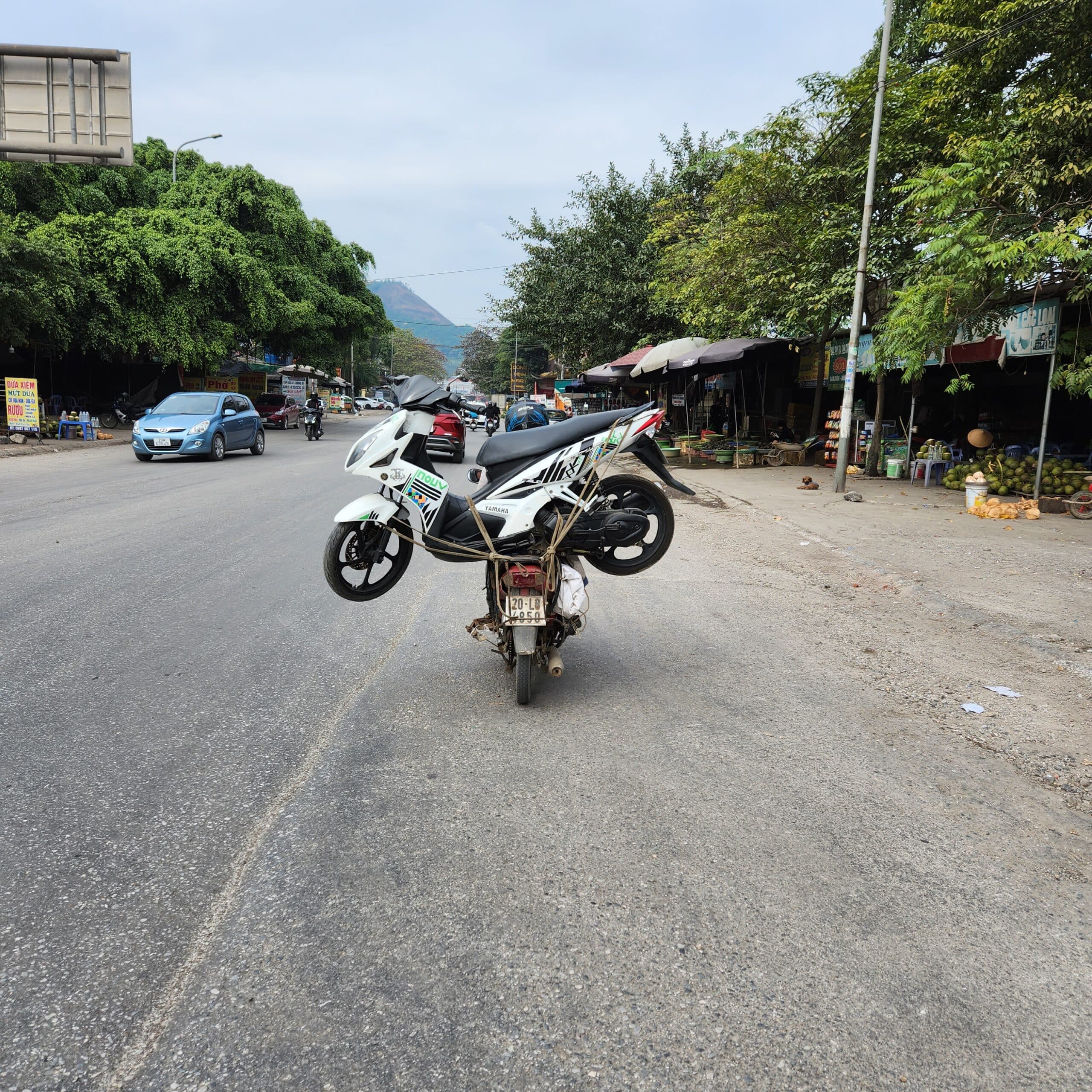
Vehicles run close together, so reaction time disappears quickly if you stare only at the wheel in front of you. Scan several vehicles ahead for brake lights, buses pulling out, pedestrians, junctions and motorcycles beginning to change position.
At the same time, keep using your mirrors and hearing. Hanoi traffic can be very forward-focused, but a bus, car or faster motorcycle arriving from behind can change the safe space around you very quickly.
Expect Gaps to Fill
An empty space rarely stays empty for long. If you leave a large gap, another motorcycle may move into it, so do not build your whole safety plan around the assumption that the gap will remain yours.
That does not mean riding wheel-to-wheel. Keep a useful margin, but expect the shape of that margin to change and adjust smoothly when another rider moves into it.
Merge Slowly and Predictably
Waiting for a completely empty road can leave you sitting at a side street for a long time. Move towards the edge of the flow, make your intention obvious and join gradually when space develops.
Sudden acceleration is much harder for other road users to read than steady movement. Predictability matters more than forcing your way into the stream.
Treat Horns as Information First
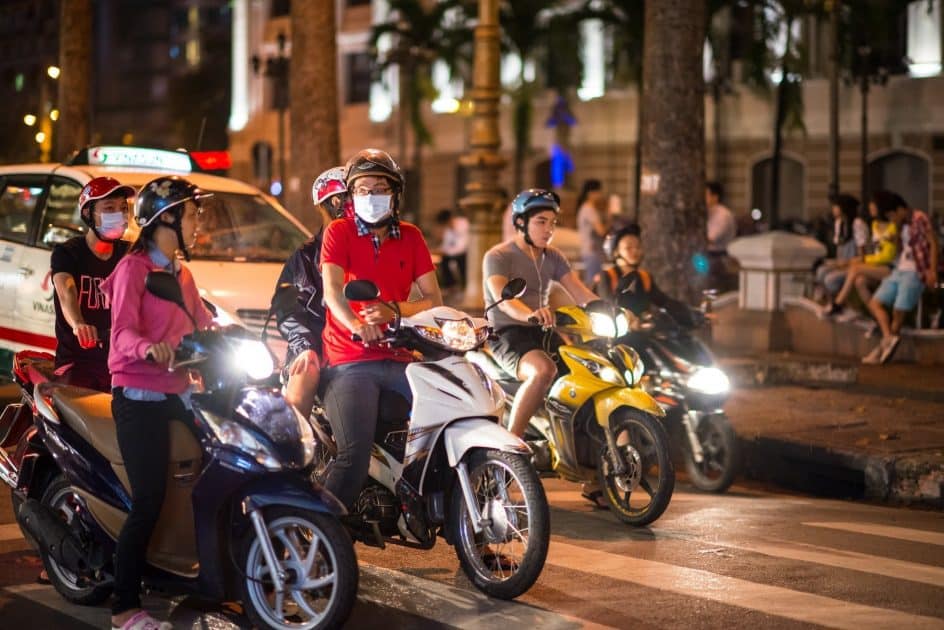
A short horn in Hanoi often means “I am here” rather than “get out of my way”. It might come from a motorcycle beside you, a car beginning to pass or a bus approaching from behind.
Listen to it, locate the vehicle and decide whether you need to change position. There is rarely any benefit in reacting emotionally to ordinary traffic noise. For a fuller explanation of when and how horns are used, see our The Language of the Horn guide.
Expect Movement from Everywhere
Expect Side Roads, U-Turns and Sudden Stops
Cars and motorcycles may enter from side streets, pull across the road, stop suddenly or begin a U-turn with less warning than you expect. Cover the brakes around busy junctions and avoid riding so close that one unexpected stop leaves you nowhere to go.
A turn signal or eye contact is useful information, not a guarantee. Watch what the vehicle is actually doing.
Give Buses and Cars More Space
Large vehicles create blind spots, block your view and need more room to turn or stop. Avoid sitting alongside buses and trucks where the driver may not be able to see you, especially near junctions and when traffic begins moving again.
Cars can also change line quickly when a gap appears. If something larger is starting to occupy the space, reducing speed is usually better than trying to defend your position.
Keep an Escape Space
Try not to ride directly boxed in between vehicles when you have another option. A small offset position can give you somewhere to move if the vehicle ahead stops suddenly or somebody enters from the side.
This matters even more when carrying luggage or a passenger because the motorcycle will not change direction as easily as it does when lightly loaded.
When Conditions Get Harder
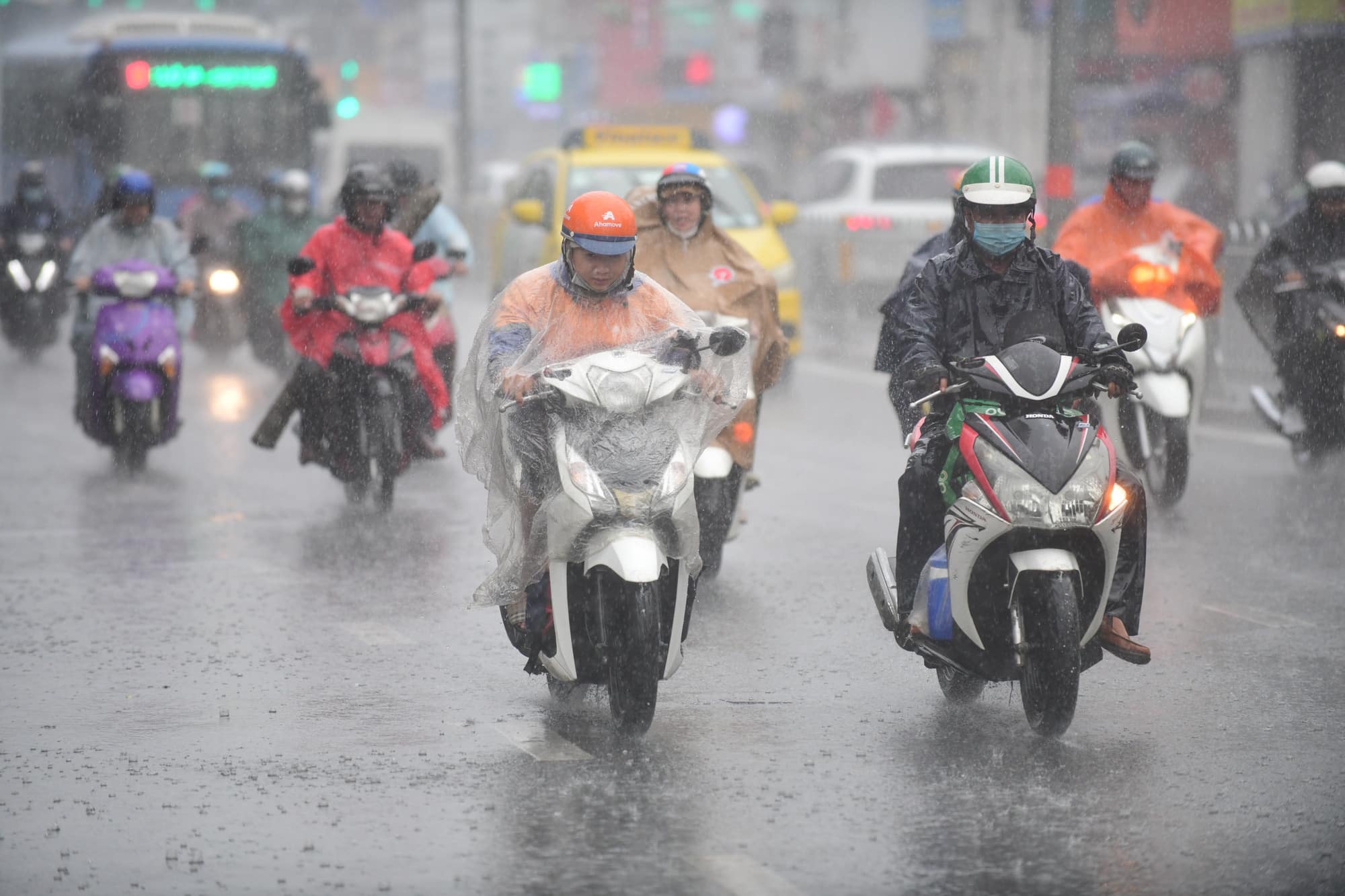
Slow Down in Rain, Darkness and Poor Visibility
Rain can change Hanoi traffic very quickly. Braking distances increase, visibility drops, painted road markings become slippery and standing water can hide potholes or broken surfaces.
At night, unlit bicycles, dark clothing and poorly illuminated obstacles are harder to see. Ride at a speed that gives you time to react to what your headlight and the surrounding street lighting actually reveal.
Stay Calm and Give Yourself Time
Hanoi traffic becomes much harder when you are rushed, angry or mentally tired. Let impatient traffic move away from you, avoid confrontations and do not turn another rider’s poor decision into a contest.
Being legally correct does not make a collision worthwhile. If another vehicle is already occupying the space or forcing the issue, reduce speed, create room and continue the journey.
Leaving and Returning to Hanoi
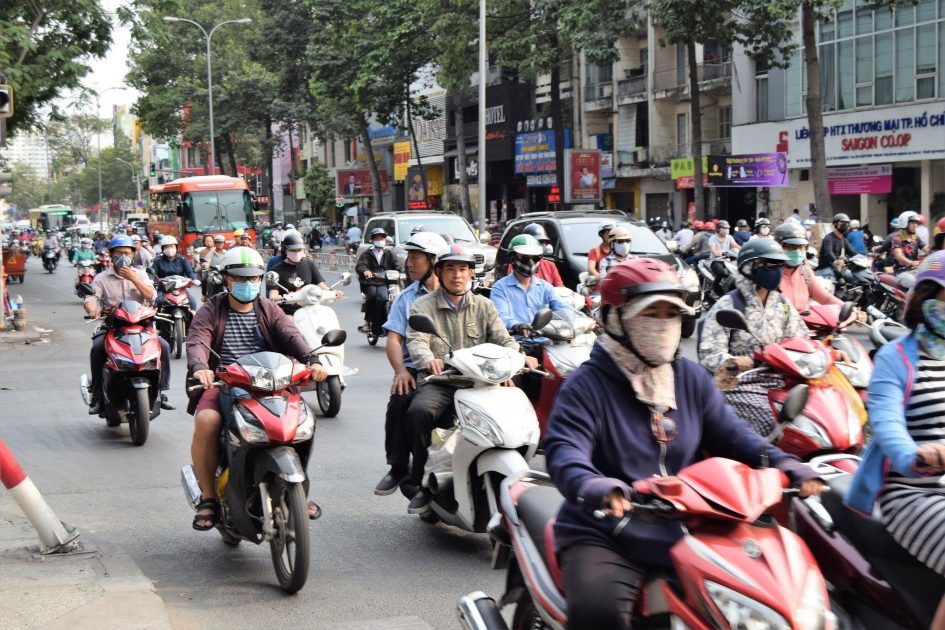
Leaving Hanoi on a loaded touring bike often feels harder than riding the same motorcycle on open roads later in the day. You are combining dense traffic, navigation, unfamiliar controls and luggage at the exact moment when concentration is already high.
If the question is which direction or first overnight to choose, use our How to Get Out of Hanoi by Motorcycle – Best Routes guide. If the crossing is the difficult part, use Hanoi Bridges by Motorcycle.
If Google Maps is trying to send you onto unsuitable fast roads, use our CT Roads and Google Maps guide instead.
Returning deserves the same attention. After several days of mountain riding, the final hour through Hanoi can feel surprisingly demanding because you are tired and the traffic style has changed again. Stop before the city if you need to, reset the navigation and treat the last urban section as a fresh riding task rather than an administrative end to the trip.
If Hanoi traffic feels too much, do not force it. Our How to Ride in Vietnamese Traffic guide goes deeper into reading the general flow, while Is It Safe to Ride a Motorbike in Vietnam? helps with the broader self-ride decision.
Once you know you are comfortable with the traffic, choose a motorcycle that suits your route rather than simply choosing the largest engine. Our Hanoi motorcycle rentals cover scooters, semi-automatics, light manual bikes and touring motorcycles; a guided northern Vietnam motorcycle tour is the easier option if you would rather not manage the route and city exit yourself.
FAQ
Is it difficult to ride a motorcycle in Hanoi?
It can be demanding for a first-time visitor because traffic is dense and vehicles use space differently from what many riders are used to. For someone with solid low-speed motorcycle control, the traffic usually becomes easier to read once they stop expecting large gaps and begin watching movement several vehicles ahead.
What time is Hanoi traffic busiest?
Recent city data shows particularly strong pressure around 07:30–08:30 and 17:30–18:30, but congestion can begin earlier and continue later. Weather, school traffic, roadworks and incidents can also change conditions quickly, so these are useful reference points rather than fixed safe and unsafe times.
Should I ride like local riders in Hanoi?
No. Watch local traffic so you can anticipate what people may do, but do not treat common behaviour as permission to ignore the road rules. Your goal is to understand the flow while keeping your own riding smooth, predictable and legal.
What is the best motorcycle for Hanoi traffic?
Usually the one you can balance, steer and stop confidently at low speed. Dense Hanoi traffic rewards manageable weight, good low-speed control and a comfortable riding position far more than extra engine capacity.
What should I do if Hanoi traffic feels overwhelming?
Move onto quieter roads, avoid the busiest periods or use another form of transport until you are comfortable. If basic braking, balance or slow-speed control is uncertain, Hanoi is not the place to practise those skills.
Read the Traffic, Keep Your Own Safety Margin
The goal is not to “ride like a local” by copying every habit. It is to understand what the traffic around you is likely to do while keeping your own movements calm, visible and predictable.
Look further ahead, expect space to change, join traffic gradually and give yourself somewhere to go when another road user does something unexpected. Once you can do that without feeling rushed, Hanoi becomes much less intimidating and the transition to the open road becomes considerably easier.