
Routes
Is It Better to Ride Early or Late in Vietnam?
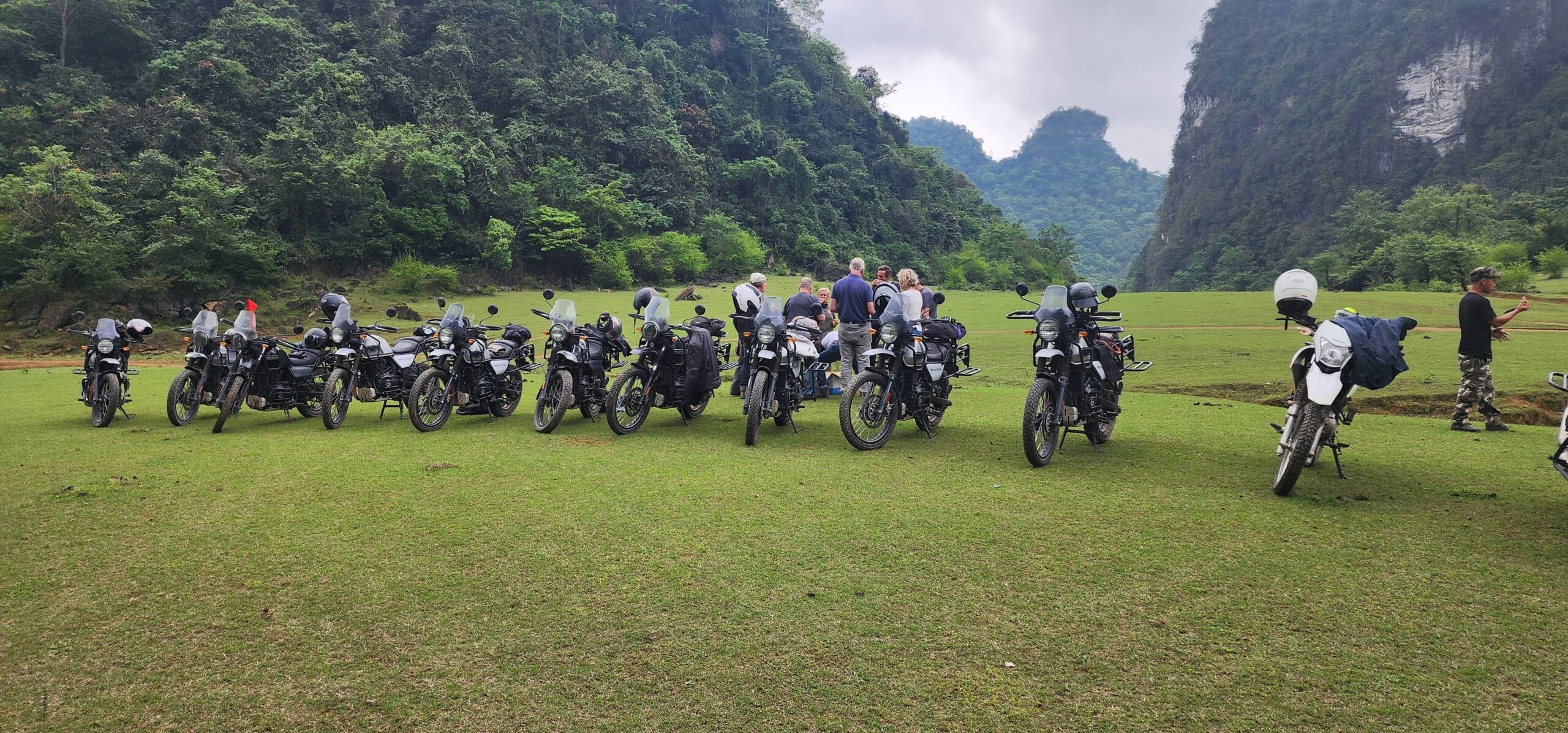
If you are planning a motorcycle trip in Vietnam, the time you start can make a surprisingly large difference to the day. The same road can feel very different in the morning and late afternoon because traffic, heat, weather, fatigue and daylight all change as the day goes on.
For most longer rural and mountain rides, a reasonably early start is usually the better choice. The main advantage is not automatically quieter roads; it is having enough time in reserve if lunch takes longer than expected, the weather changes, the road slows down or you simply find somewhere worth stopping.
Why Earlier Starts Usually Work Better
Leaving at a sensible time gives you more flexibility, and we generally prefer to have a useful part of the day’s distance completed before lunch. Fuel stops, coffee, viewpoints, markets and roadworks all take time, but they are part of the trip rather than interruptions to it.
The problem comes when a route only works if everything happens exactly on schedule. A thirty-minute delay in the morning is usually easy to absorb; the same delay late in the afternoon matters much more if you still have a mountain pass or a long rural section ahead
Early Does Not Always Mean Quiet
Vietnam is already active in the morning. Around towns and villages you may meet school traffic, markets, delivery vehicles, workers and livestock, while an early departure from a large city can put you directly into the morning rush. If the question is specifically how to handle Hanoi commuting traffic rather than when to start a touring day, see our Driving in Hanoi guide.
The benefit is that once you are through the busy section, most of the riding day is still available. If you are leaving Hanoi, use our How to Get Out of Hanoi by Motorcycle – Best Routes guide for the corridor itself, and How Many Days Do You Need to Get Out of Hanoi by Motorcycle? if you are deciding whether Day 1 should be a long transfer or an easier first stage.
When Early Is Not Automatically Better
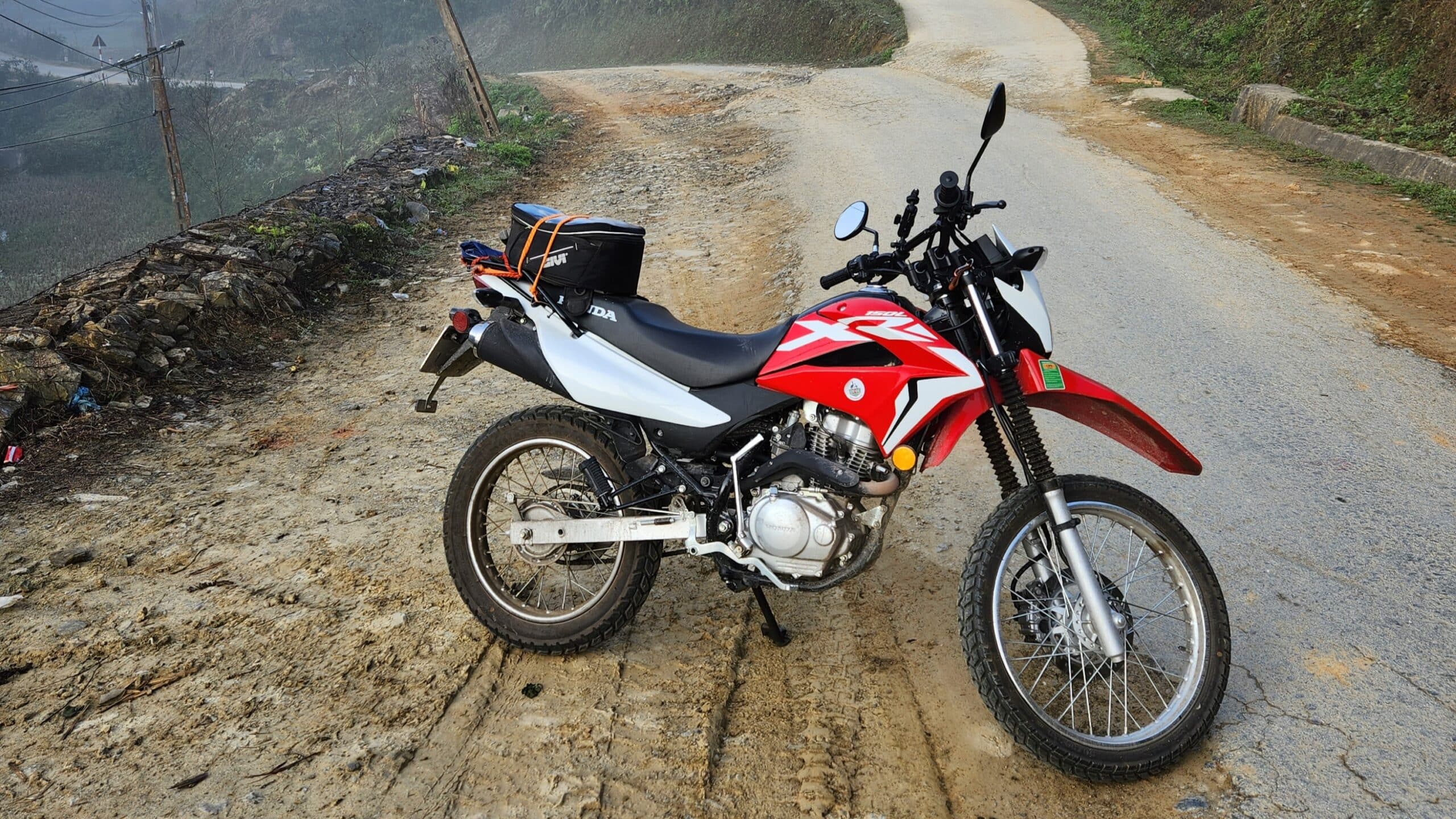
An early departure is not always the right answer. In northern Vietnam, especially in higher areas, mornings can sometimes be foggy, damp or noticeably cooler, and conditions may change as you climb out of valleys or onto exposed roads.
If visibility is poor, slowing down or stopping for coffee while conditions improve can make more sense than forcing the timetable. The point of leaving yourself spare time is that a twenty- or thirty-minute delay should not immediately turn the day into a race.
Fog, Weather and Seasonal Conditions
Morning mist can be part of normal mountain riding, but the wider weather pattern matters more than the clock alone. A clear morning in one region can coincide with rain, low cloud or heat elsewhere, so start-time decisions should always sit inside the bigger weather picture.
Our Vietnam Motorcycle Weather Guide explains the seasonal and regional differences in more detail. Use the day’s actual conditions to decide whether leaving earlier gives you an advantage or simply puts you onto the road before visibility improves.
Plan Your Arrival Time First
A better way to plan the day is to stop asking, “What time do I need to leave?” and decide roughly when you would like to arrive. From there, work backwards and allow time for fuel, lunch, coffee, viewpoints, attractions, roadworks, traffic and the possibility that something simply takes longer than expected.
As a rough planning method, adding around 50% to a simple navigation estimate can be a useful starting point for many touring days. If Google Maps suggests four hours of moving time, planning around six hours door to door gives space for ordinary stops and delays, although slow mountain roads can require considerably more.
Heat, Rain and Fatigue Build During the Day
By midday, particularly in hotter conditions or on longer rides, heat and fatigue can start to build. Having made useful progress before lunch makes it much easier to take a proper break instead of cutting it short because you are worried about the distance still remaining.
Afternoon conditions can also change quickly in wetter periods. Showers, thunderstorms, traffic near towns and accumulated fatigue can make the last few hours slower than the first few, so the arrival-time plan should include a buffer rather than treating the navigation estimate as a deadline.
Use the Route, Not Just the Clock
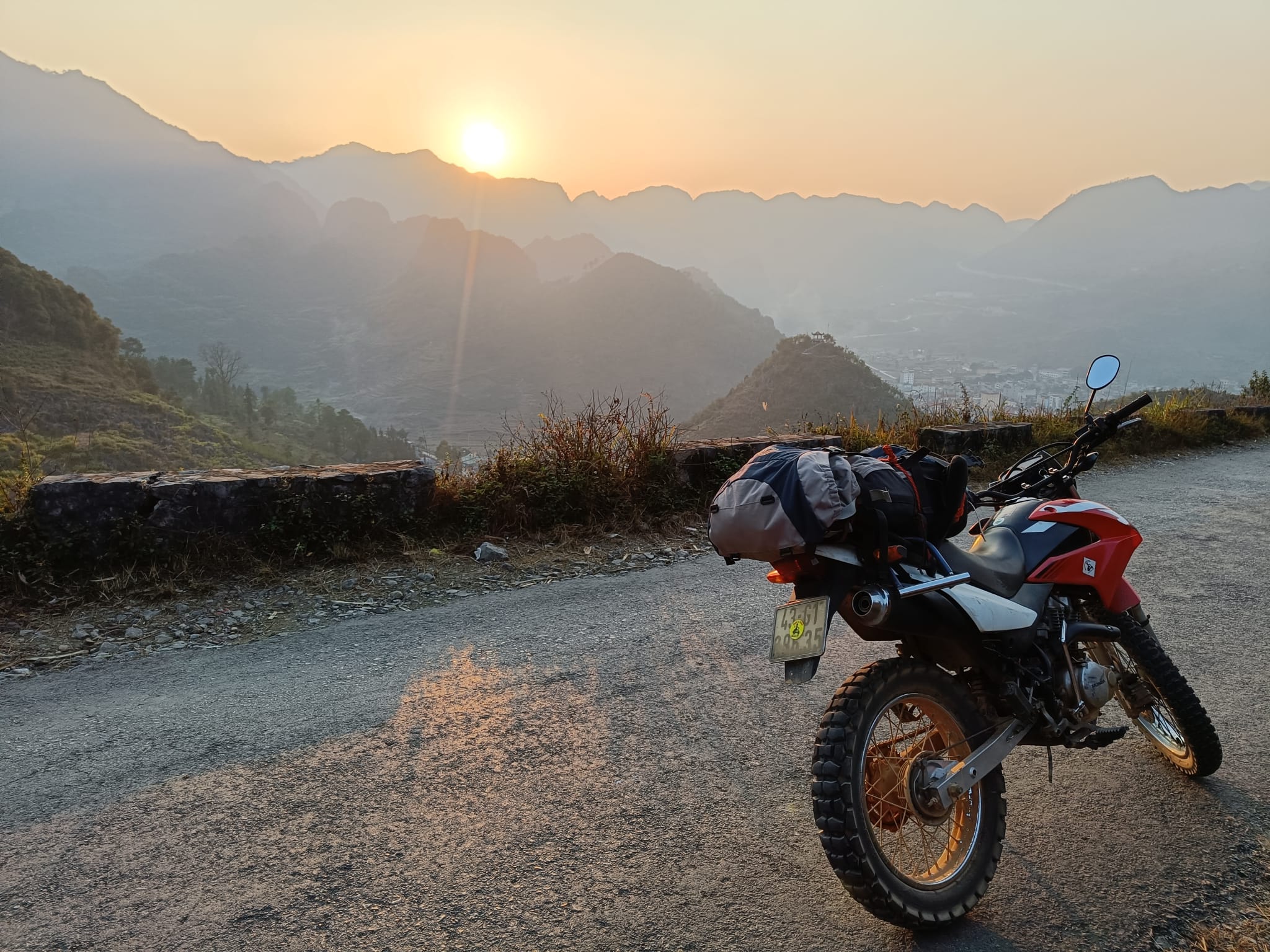
Distance alone does not tell you what kind of riding day you are planning. A 150 km mountain route can take longer and require more concentration than a 200 km ride on easier roads, while a short scenic stage may deserve most of the day because there are places worth stopping.
For the broader question of realistic daily distance, see How Far Can You REALLY Ride in One Day in Vietnam? Our Vietnam Motorcycle Route Maps then help with the more practical question: which road should you use between the overnight stops, and where are the likely alternatives, stops and slower sections?
Avoid Planning to Finish After Dark
For longer rural and mountain routes, it is generally better not to make night riding part of the plan. Road edges, damaged surfaces, animals, pedestrians and poorly lit vehicles are all harder to deal with once daylight has gone, particularly on unfamiliar roads.
That does not mean every ride must finish early in the afternoon. The transition around dusk can also be awkward on unfamiliar roads because contrast drops quickly and unlit road users become harder to pick out. Choose a start time that leaves enough daylight in reserve for the actual route rather than assuming the day will run perfectly.
When a Later Start Can Make Sense
A later start is not automatically a bad idea, and there is no need to turn every touring day into a 6am departure. A short ride on easy roads gives you much more freedom than a long day through unfamiliar mountain areas.
There may also be good reasons to wait. Morning fog may need time to clear, heavy rain may be passing through, or you may want to spend part of the morning exploring somewhere before continuing to the next overnight stop.
The key is to know how much margin the route gives you. If you have only 40 or 60 km on straightforward roads, leaving after lunch may be perfectly reasonable; if you have a long technical stage ahead, the same start time could create unnecessary pressure.
Once the route and timing are clear, choose a motorcycle that suits the roads rather than simply choosing the largest engine. Our motorcycle rentals cover different bike types, while a guided motorcycle tour is the simpler option if you would rather have daily stages, accommodation and route planning organised for you.
FAQ
What time should I start riding a motorcycle in Vietnam?
There is no single ideal time, but for longer rural and mountain rides a reasonably early start usually gives you more flexibility. It leaves additional time for fuel, food, sightseeing, changing weather and unexpected delays without creating pressure later in the day.
Is it better to ride before sunrise in Vietnam?
Usually not. A sensible morning departure is normally enough to make useful progress before lunch without adding darkness, fog or reduced visibility to an unfamiliar road.
Are Vietnamese roads quieter early in the morning?
Not necessarily. Towns and villages can already be busy with school traffic, markets, deliveries and workers, while larger cities may be in the morning rush. The main advantage of leaving early is often the extra daylight and contingency rather than quieter traffic.
Should I avoid riding in the afternoon in Vietnam?
No. Afternoon riding is perfectly normal, especially on shorter stages. The useful questions are how much route remains, what the weather is doing, how tired you are and how much daylight you have left.
Is night riding safe in Vietnam?
Night riding is more difficult than riding the same roads during daylight, particularly in rural and mountain areas. Road damage, animals, pedestrians, road edges and poorly lit vehicles can all be harder to see, so unfamiliar touring stages are better planned to finish before dark where possible.
Plan the Arrival, Then Work Backwards
There is no perfect departure time for every motorcycle ride in Vietnam, but a sensible morning start usually gives you more options on longer journeys. Making useful progress before lunch leaves the afternoon for stops, changing conditions and ordinary delays rather than turning the final hours into a race against sunset.
The best approach is to look at the route, decide when you would ideally like to arrive and then work backwards. Leave enough margin for the day you are actually riding, not the fastest theoretical version shown on a screen.