
Tours
How Far Can You REALLY Ride in One Day in Vietnam?
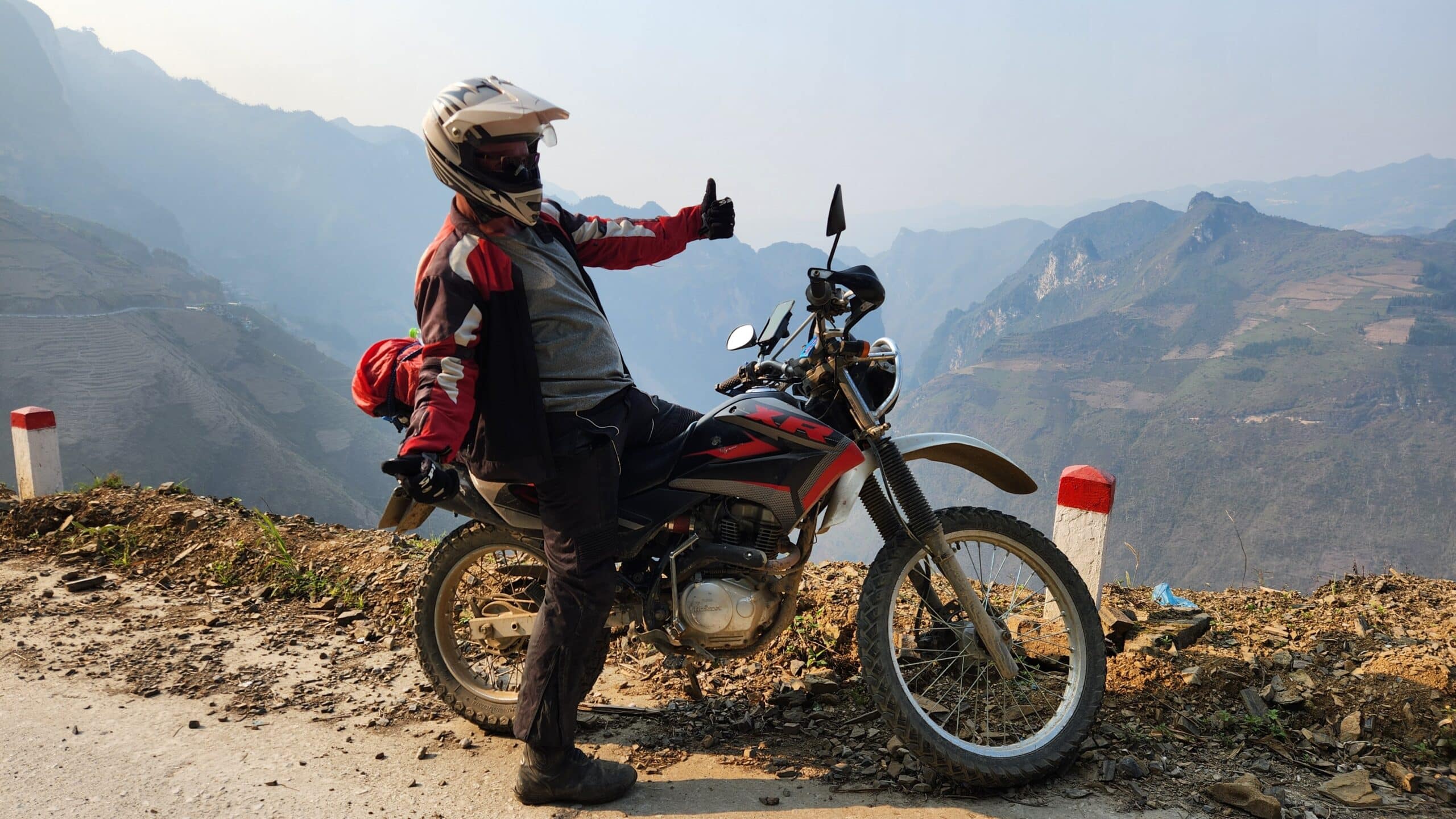
In Vietnam, distance can be misleading. A 150 km mountain day can take longer and require more concentration than a 250 km ride on good main roads, so simply looking at the number of kilometres rarely tells you how difficult the day will be.
For Northern Vietnam, around 150 km is a useful starting point when planning a riding day, but it should never become a target. Road type, weather, traffic, stops, the motorcycle you are riding and how you feel that morning can all matter more than the distance shown on the map.
The better question is not “How many kilometres can I ride?” It is “What does this riding day actually contain, and which route makes sense today?”
Why 150 km Can Be a Full Day
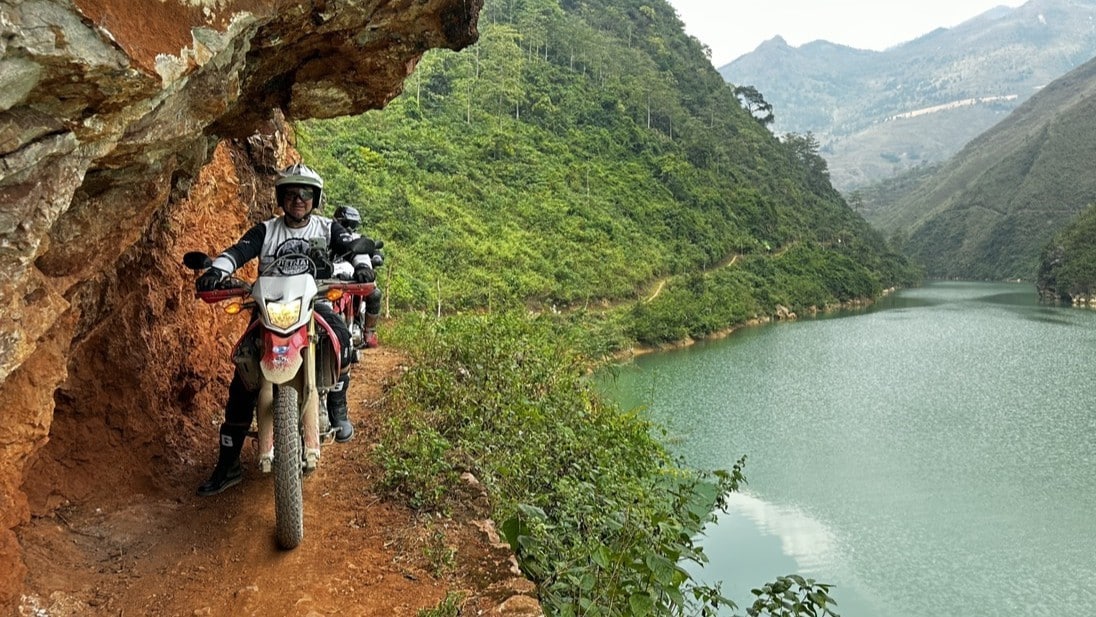
Two routes of exactly the same distance can produce completely different riding days. On a good main road, 200 km may be relatively straightforward, while the same distance in Ha Giang, Cao Bang or the Northwest could involve hours of bends, climbs, villages, livestock, trucks and slow local traffic. This is why road type usually matters more than the distance itself. A good example of this is the Cao Bang Loop 4-Day Tour on which the daily distances are around 120km and duration is up to 7hrs.
Then there are the things you actually came to Vietnam to experience. You might stop for coffee, lunch, photographs, a local market, a waterfall or simply because you have found a viewpoint that is too good to ride past. Those stops should not be treated as time lost because they are often the best parts of the trip.
Experienced riders can underestimate this just as easily as beginners. Being comfortable riding 500 km at home does not mean a 250 km mountain day in Vietnam will be enjoyable. The question should not simply be whether you can physically complete the distance, but whether doing so will leave enough time and energy to enjoy where you are riding.
Think in Hours, Not Just Kilometres
If 150 km requires six hours of actual riding, you already have a substantial day. Once breakfast, fuel, lunch, sightseeing, photographs and unexpected stops are added, you can easily be travelling for eight or nine hours.
When planning, look at realistic moving time first and kilometres second. If the riding itself already uses most of the available daylight before you have added the places you want to visit, shorten the route or choose an easier road.
Realistic Daily Distances in Vietnam
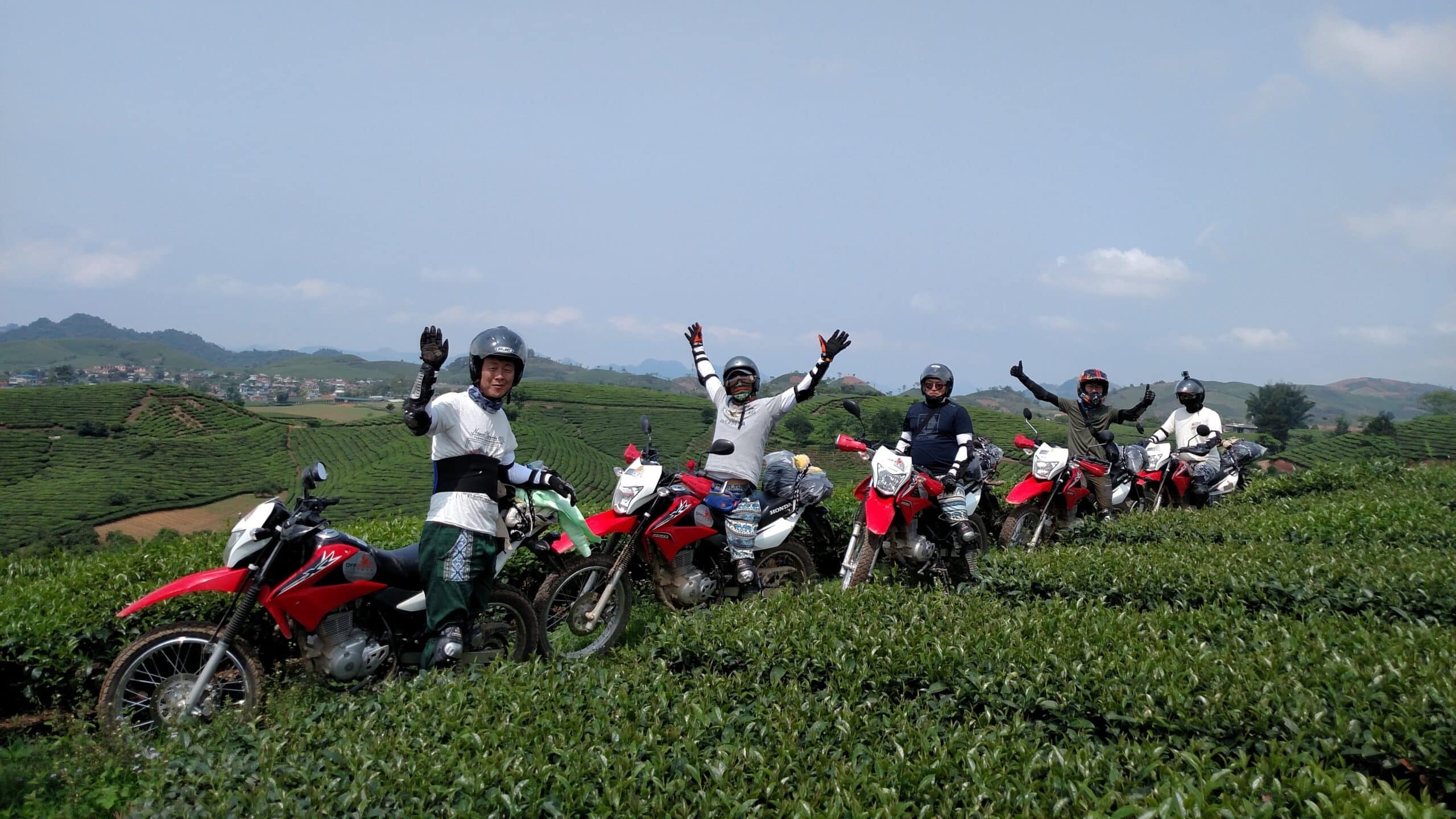
There is no distance that works everywhere in Vietnam, but some broad ranges are useful when you first build an itinerary. The original plan used 120–180 km as a sensible range for many Northern Vietnam riding days, which remains a useful starting point.
Realistic Daily Motorcycle Distances
| Distance (Km) | What it usually means |
|---|---|
| 40-80 | Could be a ‘rest’ day, short half day trip |
| 80-120 | Relaxed sightseeing day, difficult roads or lots of exploring |
| 120-180 | Normal Northern Vietnam touring day |
| 180-250 | Substantial day with fewer long stops |
| 250-350 | Long transfer rides on better roads, should not be consecutive, not common |
| 350+ | Possible, but best avoided unless absolutely necessary, rarely attempted |
For Northern Vietnam, around 150 km is a good starting point rather than a target. A particular day might sensibly be 100 km because the roads are slow and there is a lot to see, while another might comfortably be 250 km because the road is fast and the purpose of the day is simply to move between regions.
Bear this information in mind when looking the distances between overnight locations. Sometimes, you are forced to take a longer / shorter route due to the lack of decent accommodation. This can then be dealt with by having a holistic plan when creating your itinerary.
Two Routes Show Why Distance Is Misleading
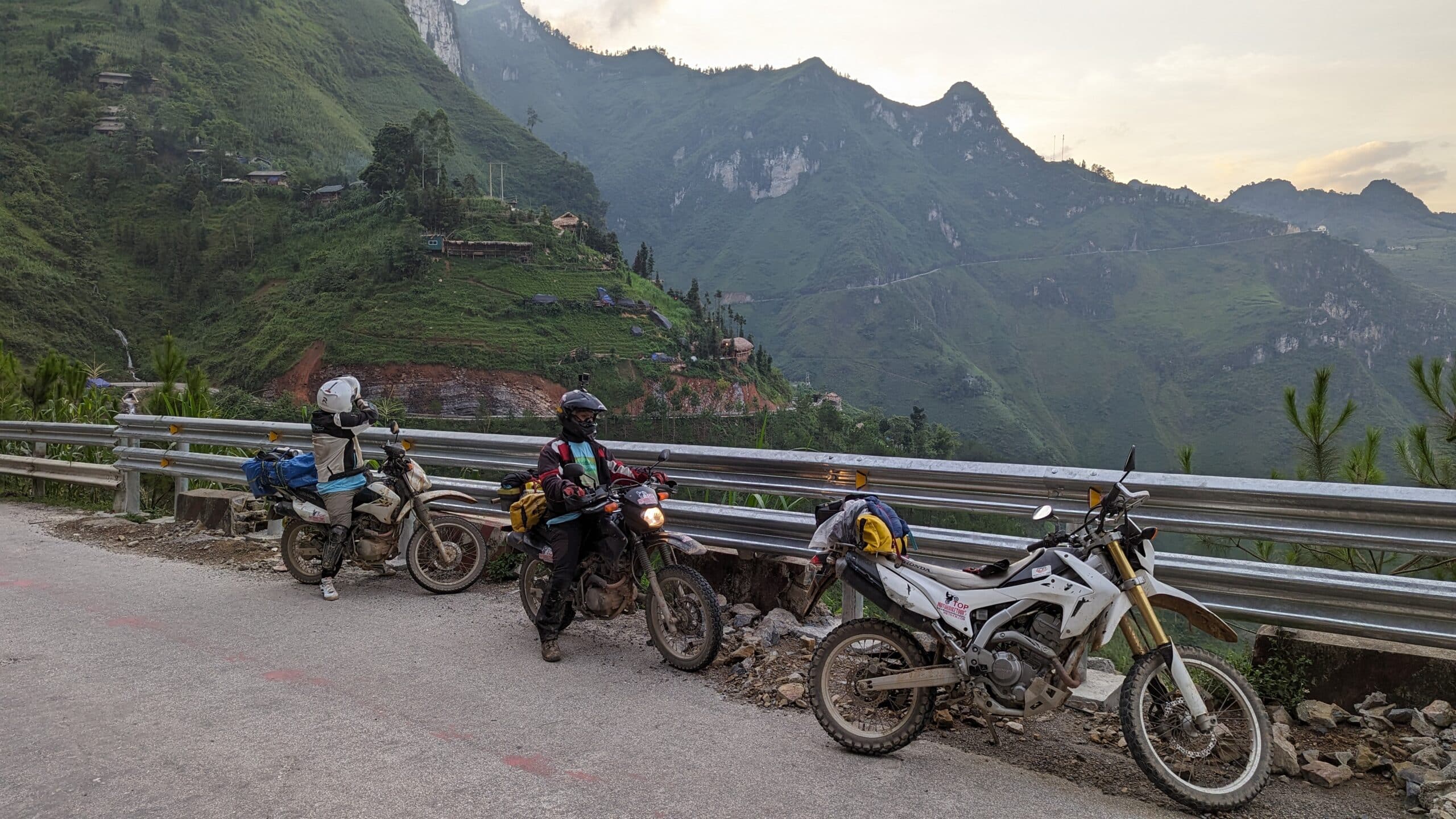
Consider a ride from Dong Van to Meo Vac. It is only 30km but it will take anywhere from 2 to 4 hrs. The distance does not look particularly large, but the route includes Ma Pi Leng Pass, slow mountain roads, villages and several places where you will probably want to stop. Whereas Meo Vac to Du Gia is over twice the distance and will take roughly the same amount of time. Even then, many of you will laugh at the thought of 70km in 2hrs.
Now compare that with a ride such as Hanoi to Nghia Lo. The distance can be greater, but much of the route is more straightforward, so the average speed can be higher. This is why two days with similar riding times can have completely different kilometre totals.
Plan the Trip, Then Choose the Route Each Day
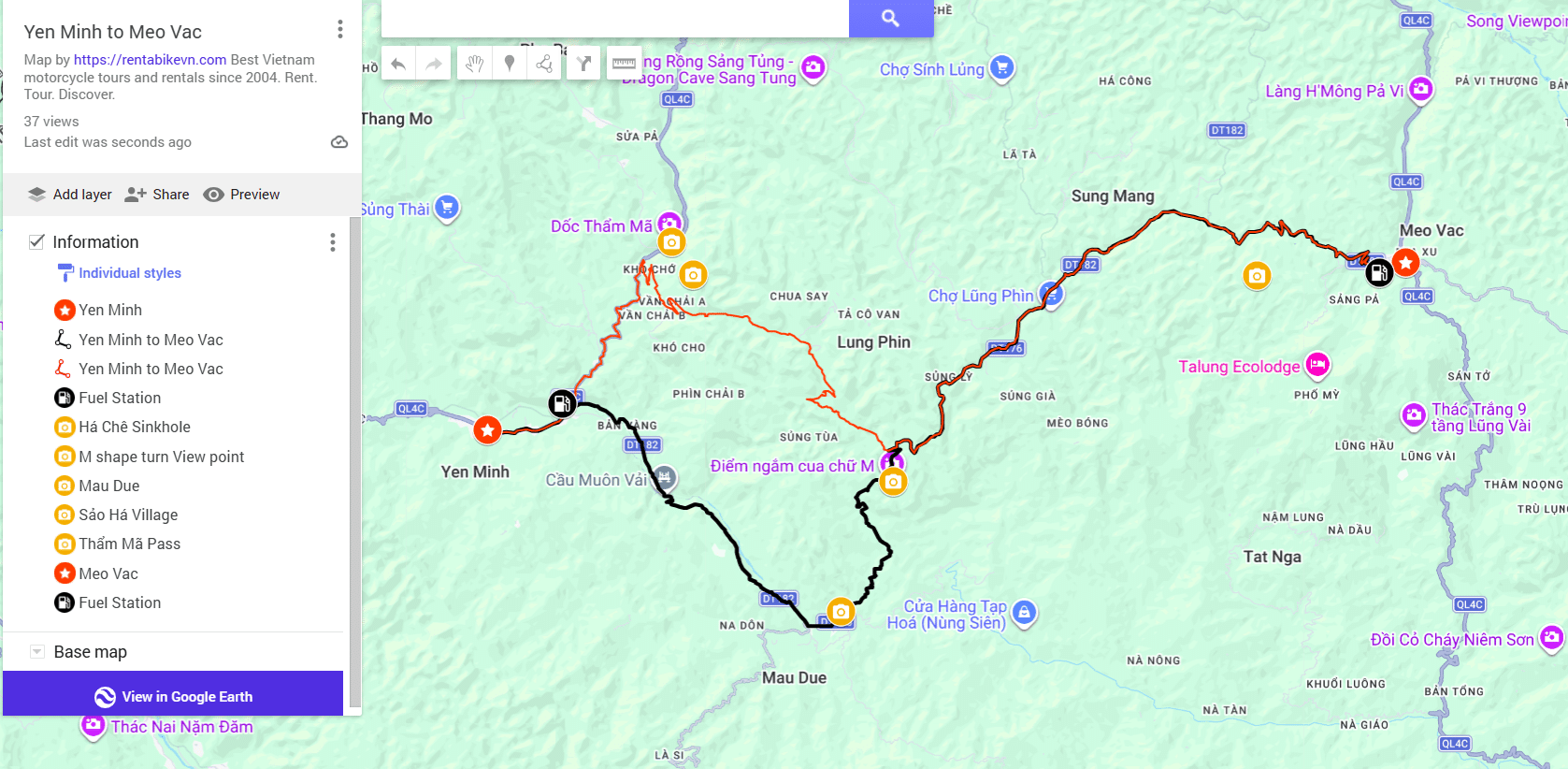
Before coming to Vietnam, it makes sense to build an itinerary. You should know roughly where you are going, how many days you have and where you expect to finish each day. After all, you need to book a tour or a rental and perhaps some accommodation. However, you do not need to decide every road months before the trip and then follow that route regardless of what happens.
In many parts of Northern Vietnam there are several good ways to get from A to B. One option may follow the main road, another may cross a mountain pass, while another uses smaller rural roads through villages. They can arrive at exactly the same destination but offer very different riding days.
Use route maps as planning references and check the route against current conditions, your experience and your chosen motorcycle. Contact AZ Motorbikes to discuss your rental plans.
You can then make the final decision while you are on the trip, when you know what the conditions are really like.
If there has been heavy rain overnight, the easier main-road route might be the sensible choice. If the weather is clear, the roads are dry and you are riding a lightweight XR150 or XR190, you might choose the smaller mountain road instead.
Your group matters as well. If you are travelling two-up, carrying heavy luggage or someone in the group is tired after several hard days, there is nothing wrong with taking the easier route and arriving early. If everybody feels good and the weather is perfect, that may be the day to take the longer scenic alternative.
This is not changing the plan because something has gone wrong. This is the plan. A good motorcycle itinerary gives you a direction and sensible overnight stops while leaving enough flexibility to choose the right road each day.
Choose the Road for Today
When you look at the available A-to-B routes each morning, consider the weather, road conditions, motorcycle, group and how everybody feels. These factors can change from one day to the next, which is why the best route when you planned the trip at home may not be the best route when you actually reach it.
The shortest route is not automatically the best route either. Sometimes the longer road has better surfaces and is actually easier, while a short mountain road can take considerably longer because of tight bends, poor surfaces or stops along the way.
This also means that you do not necessarily need to cancel a day’s destination because the weather has changed. If there is a safer or easier alternative between the same two towns, you can change the route while keeping the overall trip intact.
That is where the route-map network becomes genuinely useful rather than simply decorative. You know where you are sleeping; the map helps you decide how you want to get there today.
What Changes How Far You Can Ride?
Road type is normally the biggest influence on daily distance, but your motorcycle, luggage, passenger and group all affect how tiring a route becomes. Small mountain roads require more concentration than wide main roads, while towns, roadworks, trucks, buses and poor surfaces can quickly reduce your average speed.
Your motorcycle changes the type of day that feels comfortable. A CB500X is very good for longer main-road sections and works particularly well with a passenger and luggage, while an XR150 or XR190 is lighter and easier to manage on narrow mountain roads and smaller rural routes. A Honda Wave or Blade ‘can’ also cover long distances successfully, particularly with one rider, although power is more limited with a passenger and luggage on long climbs. The original draft made the same basic distinction between the larger CB500X and lighter XR machines.
The important point is that a bigger or faster motorcycle does not magically turn a slow mountain road into a fast one. Sometimes a lightweight bike actually makes the difficult part of the day easier, while the larger motorcycle becomes the advantage on open roads and long transfers.
Fuel range is rarely the main limit on a day’s ride, but it still matters when you are heading onto remote roads. For petrol types, realistic motorcycle range and refuelling advice, see our complete motorcycle fuel guide for Vietnam.
Do Not Plan Every Day in Isolation
A 250 km day might feel perfectly reasonable once, but riding 250 km every day for a week is something completely different. Fatigue builds, and you may also have a bad night’s sleep, several hours of rain or one particularly difficult riding day that leaves you more tired than expected.
A good itinerary should therefore contain some variation. Mix harder days with easier ones and leave enough flexibility that one delay does not force you to rush for the next three days. When travelling as a group, plan around the group rather than the strongest rider.
Don’t forget the value of a Rest Day. We suggest that you have either a full day off the bike or take an easy out-and-back every 4th or 5th day on tour. That helps the body recover from fatigue, which can be dangerous and it also makes you ‘fresh as a daisy’ for the next day’s ride. You’d be surprised. The added bonus is that it allows plenty of time to get laundry done.
This is another reason the A-to-B route choices matter. A group may originally intend to take the adventurous route tomorrow, but after five days of riding they may decide that the easier option is the better day. Both can still take them to the same hotel. This is why many of our route maps, such as Cao Bang to Ban Gioc, have up to 3 routes so that you can choose what style of riding suits you on the day.
How to Plan Tomorrow’s Ride
The evening before or morning of each ride, do a quick check rather than automatically following the route you originally planned. Start with the distance and expected riding time, then look at the type of roads, weather, the things you want to visit and when you realistically want to arrive.
A useful daily check is:
- How many kilometres are each route option?
- What kind of roads are available between A and B?
- How much actual riding time will each option need?
- What do we want to stop and see?
- What is the weather doing?
- How has the weather been over the previous days?
- How are the group members feeling?
- Which route suits today best?
Then work backwards from your preferred arrival time. If you would like to be at your accommodation by around 4:30 pm, allow time for lunch, fuel and the places you want to stop rather than assuming every kilometre will be spent moving.
Google Maps is useful, but its journey time should only be a starting point. Do NOT assume everything will go to plan. In fact, assume it WON’T.
If your route only works when you leave exactly on time, encounter no roadworks, never stop unexpectedly and ride right until dark, the route is too ambitious. Choose another road or shorten the day.
How We Plan Our Tours
This is essentially how we approach our guided motorcycle tours as well. Particularly, the longer ones such as the 10-Day Due North. We do not decide that riders need to cover a particular number of kilometres and then design the day around that number; we consider the road, scenery, attractions, lunch, fuel, weather, accommodation and rider fatigue.
Sometimes a 120 km mountain day makes a much better tour than a 220 km transfer. More kilometres do not automatically make a better day, and having several route options gives us the ability to adapt when conditions change.
FAQ
How many kilometres should I ride per day in Vietnam?
For Northern mountain touring, around 120–180 km works well for many riding days, with roughly 150 km being a useful starting point. The actual route matters more than the number, so some days should be shorter and others can comfortably be longer.
Can I ride 300 km in one day in Vietnam?
Yes, particularly when much of the day uses good main roads. On small mountain roads, however, 300 km can become an extremely long riding day and leave very little time for sightseeing, food stops or unexpected delays.
Should I decide my exact route before starting my Vietnam motorcycle trip?
Plan your overall itinerary and overnight destinations, but leave some flexibility over the roads you use between them. Where several A-to-B routes are available, you can use the AZ Motorbikes route maps to choose the best option for the weather, road conditions, your bike and how the group feels that day.
How accurate is Google Maps for motorcycle travel times in Vietnam?
Google Maps is useful for getting a basic idea of distance and riding time, but it does not tell you how much time you will spend eating, refuelling, taking photographs or visiting places along the route. Use it as part of your planning rather than treating its fastest journey time as your schedule.
Should I plan shorter riding days with a passenger?
Usually, yes. Two-up riding adds weight, can make overtaking and manoeuvring slower and can be more tiring for both people, so leaving a little more time makes the day more comfortable and gives you more freedom to stop.
Remember, your pillion wants to enjoy the trip as well, and sitting for hours on the back of a bike might not be the ‘fun’ that they had in mind.
Plan the Road, Not the Number
There is no perfect daily motorcycle distance for Vietnam. Road type, weather, stops, your motorcycle and how everybody feels on the day matter much more than the number of kilometres shown on the map.
For Northern Vietnam, starting around 150 km per day is sensible, but do not turn that into a rigid target. Build an overall itinerary before the trip, choose sensible places to stay and then use our motorcycle route maps to compare the different ways of getting from A to B as you travel.
Some mornings the right decision will be the longer mountain road with the spectacular views. On another day, after heavy rain or several demanding days of riding, the best decision might be the easy main road that gets you to your hotel early.
Both are good motorcycle touring. The skill is knowing which road to choose today.
Plan the Route, CHOOSE the Road.