Tours
Eating on a Motorcycle Trip in Vietnam: A Rider’s Food Guide
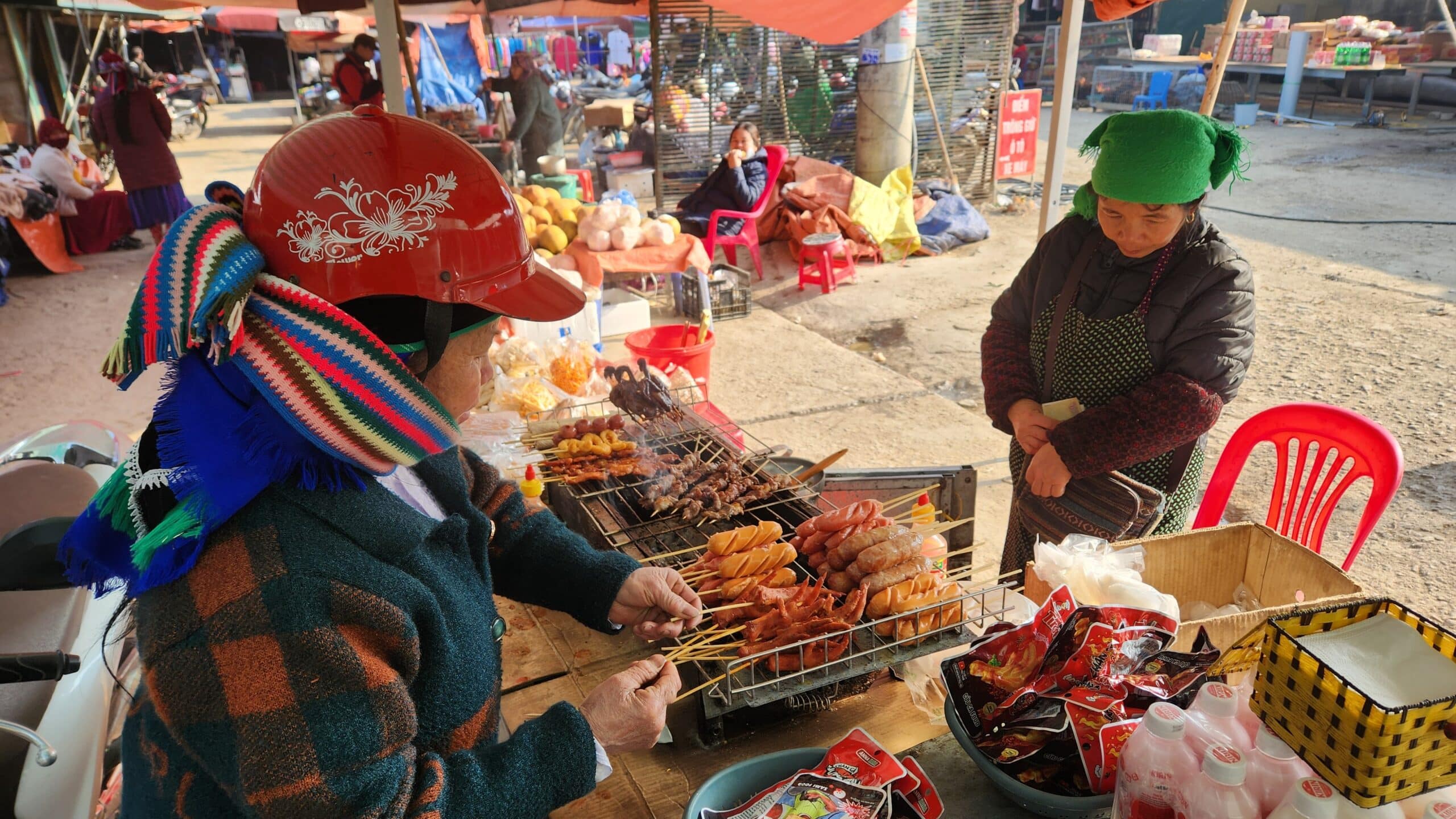
One of the pleasures of riding through Vietnam is stopping for a meal in a town you had never planned to visit. A bowl of noodles before leaving, a rice lunch beside the road and dinner at a homestay can become part of the journey rather than just a break from it.
Food is usually easy to find, but a motorcycle day changes the timing. In a city you have plenty of choices; on a mountain road, the next useful lunch stop may be much farther away than it looks. Here is how I would plan meals, what I would order and where I would leave room for a local discovery.
Eat When the Road Gives You the Chance
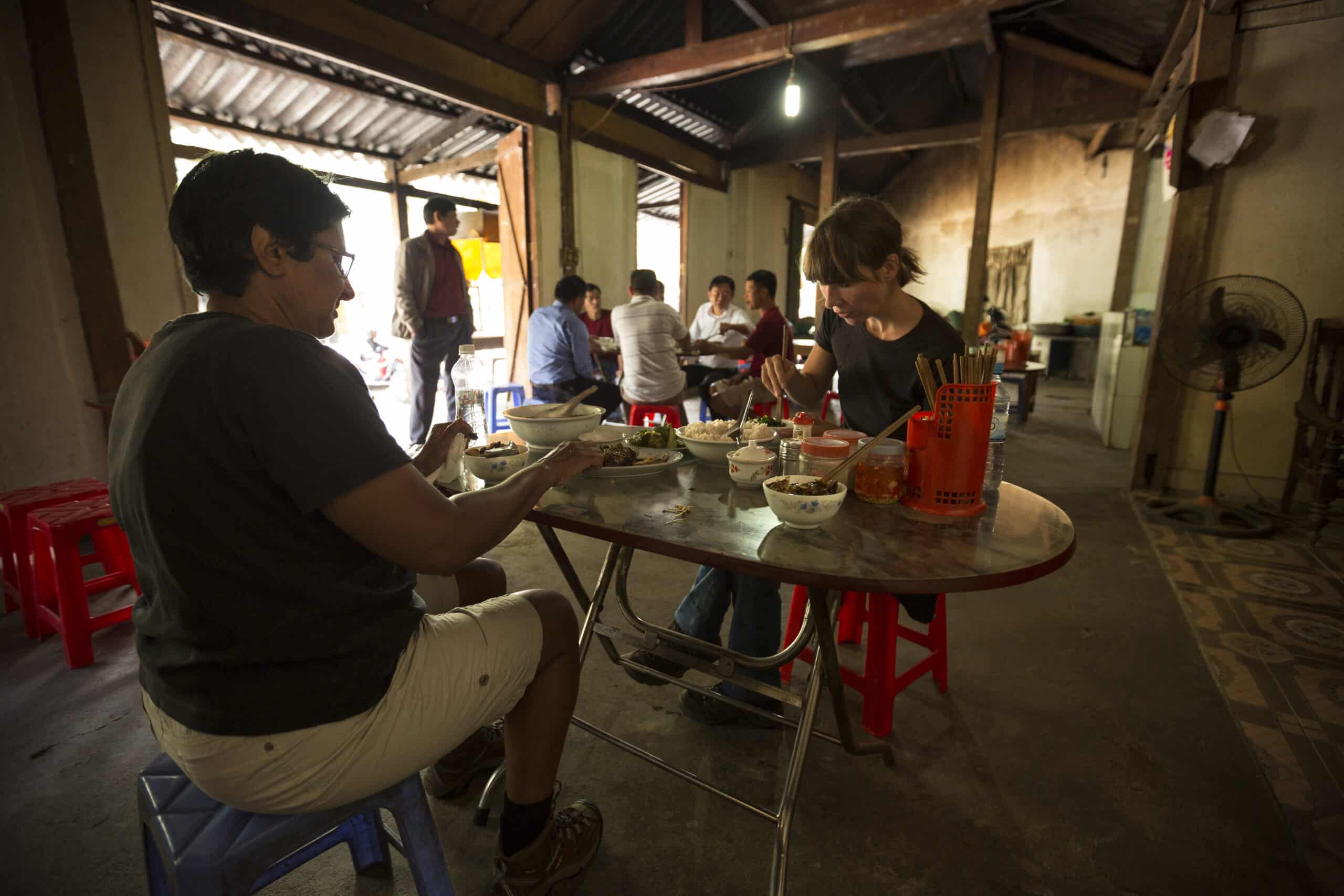
Breakfast, lunch and dinner on a riding day
Have breakfast before a long or remote ride, or know where you intend to stop soon after leaving. Phở, bánh mì, bánh cuốn and other noodle or rice dishes are easy starting points. I also carry water and something small to eat, particularly when the route leaves the larger towns behind.
Lunch is the meal most likely to catch riders out. If it is 11:30, you have found a good-looking cơm bình dân restaurant and the next section is 70 km of mountain road, I would eat then. Waiting for the perfect stop can mean arriving in a small town after its lunchtime rush has ended.
If you are staying in a remote homestay or small village, ask about dinner when you book. Some places cook for guests if they know in advance, while other options may require another ride. This is one reason our guide to realistic daily riding distances includes time for food, not only moving time.
A café is a useful riding stop
A coffee stop gives you time to drink water, check the weather and decide whether your planned afternoon road still makes sense. Take the break before you are tired or hungry enough to rush decisions.
u are deciding what time to leave a town, our early versus late riding guide explains how daylight, weather and the length of the day affect that choice.
What to Eat Along the Route
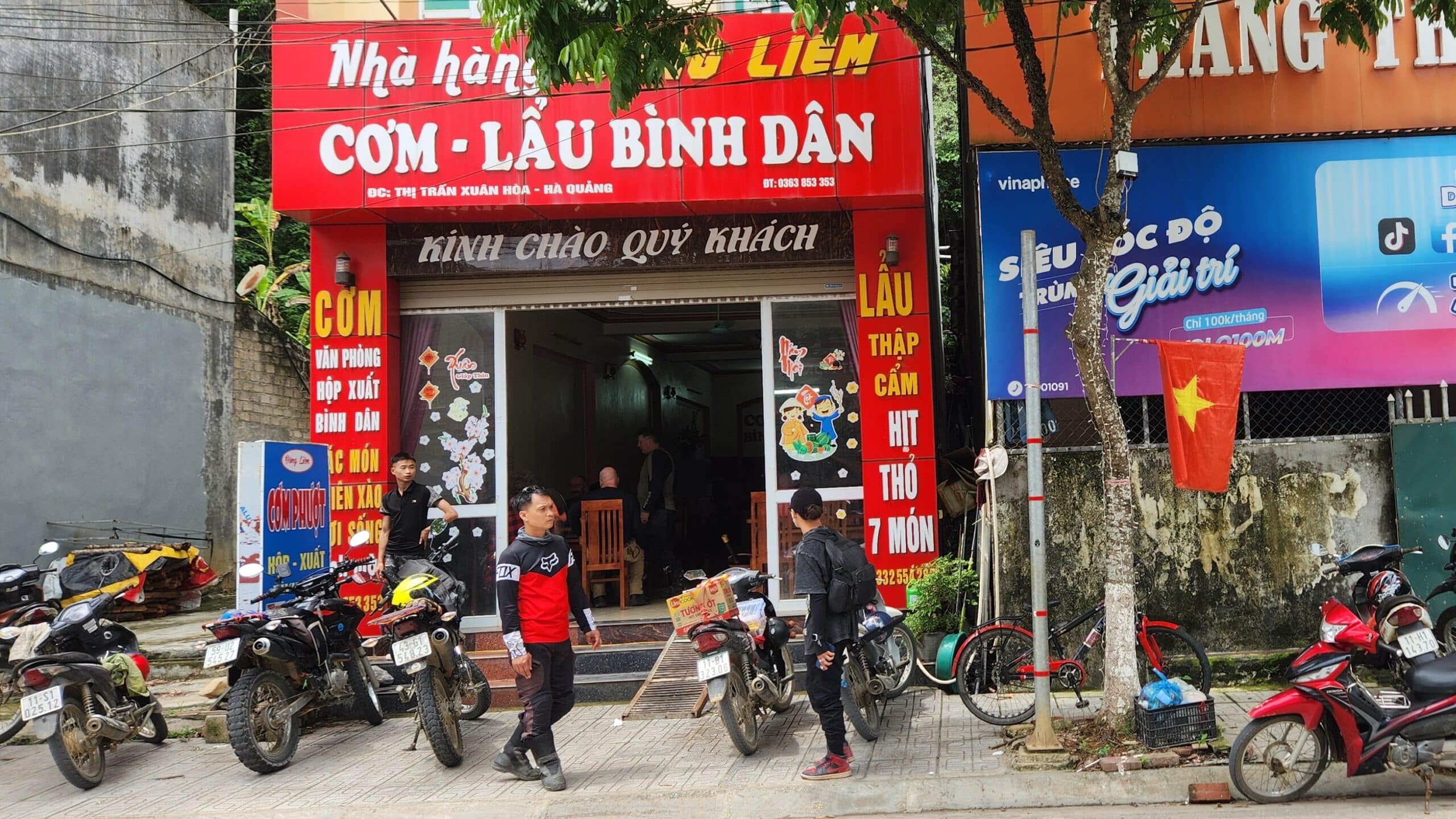
Reliable dishes when you need a meal
You do not need an enormous food list to eat well. Phở is an easy breakfast or lunch; cơm bình dân means a simple rice meal where you usually choose from prepared dishes; cơm rang is fried rice; bánh mì is useful when you need something quick. Bún and miến are other noodle words worth recognising on a sign.
Order what the place does well rather than looking for a familiar dish at every stop. A busy stall with one or two specialities can make a better lunch than a huge menu. In Hanoi, you can explore more deliberately before collecting the bike; our Hanoi street food guide is a useful starting point.
Food changes as you move across Vietnam
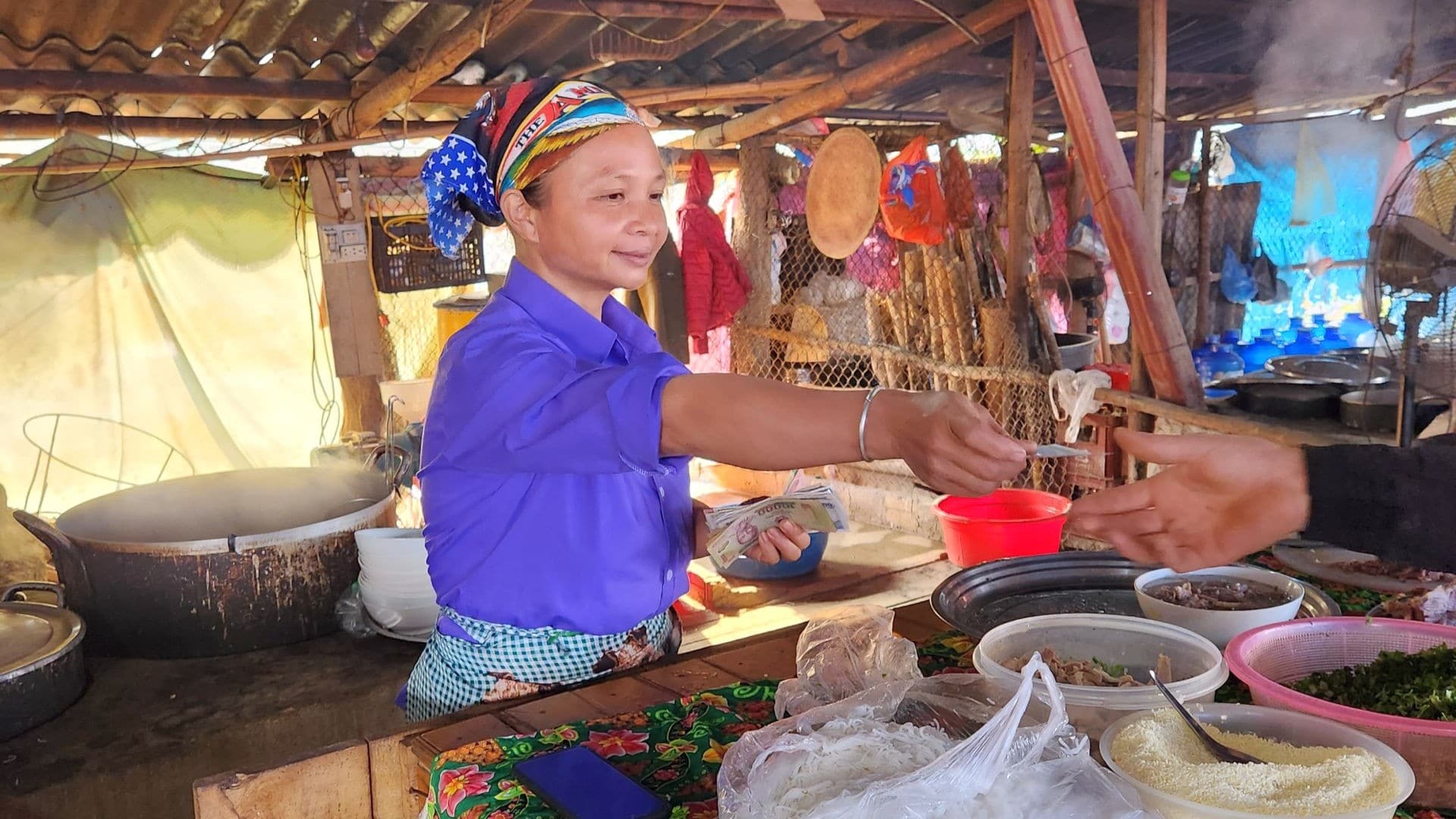
In Hanoi, try the capital’s noodle and grilled-meat dishes. In the northern mountains, expect simple rice meals, soups and regional foods in markets and homestays; a warm breakfast matters especially on a cool morning. Around Cao Bằng, local markets are good places to see what people actually grow, cook and buy rather than treating food as a list of dishes to tick off.
Further south, leave time for the food of Huế and the dishes of Đà Nẵng and Hội An. A one-way ride is a chance to notice how meals change from region to region. Keep the regional examples short here; the point is to encourage you to stop and eat, not to memorise every speciality before departure.
Markets belong in the itinerary
A market can give you breakfast, fruit for later and a reason to slow down for an hour. The best visit is often one that fits the road you already want to ride; I would not turn a good riding day into a difficult one solely to reach a market.
Our Cao Bằng local markets guide helps you identify market towns and check their schedules. If you are riding east towards Bản Giốc, use the Cao Bằng to Bản Giốc map to decide which road and stops fit the day.
Reliable dishes when you need a meal
You do not need an enormous food list to eat well. Phở is an easy breakfast or lunch; cơm bình dân means a simple rice meal where you usually choose from prepared dishes; cơm rang is fried rice; bánh mì is useful when you need something quick. Bún and miến are other noodle words worth recognising on a sign.
Order what the place does well rather than looking for a familiar dish at every stop. A busy stall with one or two specialities can make a better lunch than a huge menu. In Hanoi, you can explore more deliberately before collecting the bike; our Hanoi street food guide is a useful starting point.
Find Food in Smaller Towns
Six signs and phrases worth learning
| Vietnamese | Useful meaning |
|---|---|
| Cơm bình dân | Everyday rice meals with a choice of dishes |
| Quán ăn | An eating place |
| Phở | Noodle soup, commonly beef or chicken |
| Bún | Rice-vermicelli dishes; ask what the shop serves |
| Bánh mì | Bread or a filled baguette, depending on context |
| Có quán ăn nào gần đây không? | Is there somewhere to eat nearby? |
Pick a lunch town before the remote section
Before leaving, look for a town with more than one place to eat rather than assuming there will be a restaurant at an isolated viewpoint. Markets, petrol stations and busier junctions are useful clues, but opening hours and availability can change. Ask locally if the next stretch looks empty.
For example, the Cao Bằng to Bảo Lạc route map lets you compare the roads before committing to a longer mountain day. For a different kind of start, the Hanoi to Bắc Sơn map helps you plan the move from city traffic into a rural overnight stop. In each case, choose a sensible meal stop before the ride, then stay flexible when you find somewhere better.
Eat Comfortably and Ride Safely
Food and water: use ordinary care
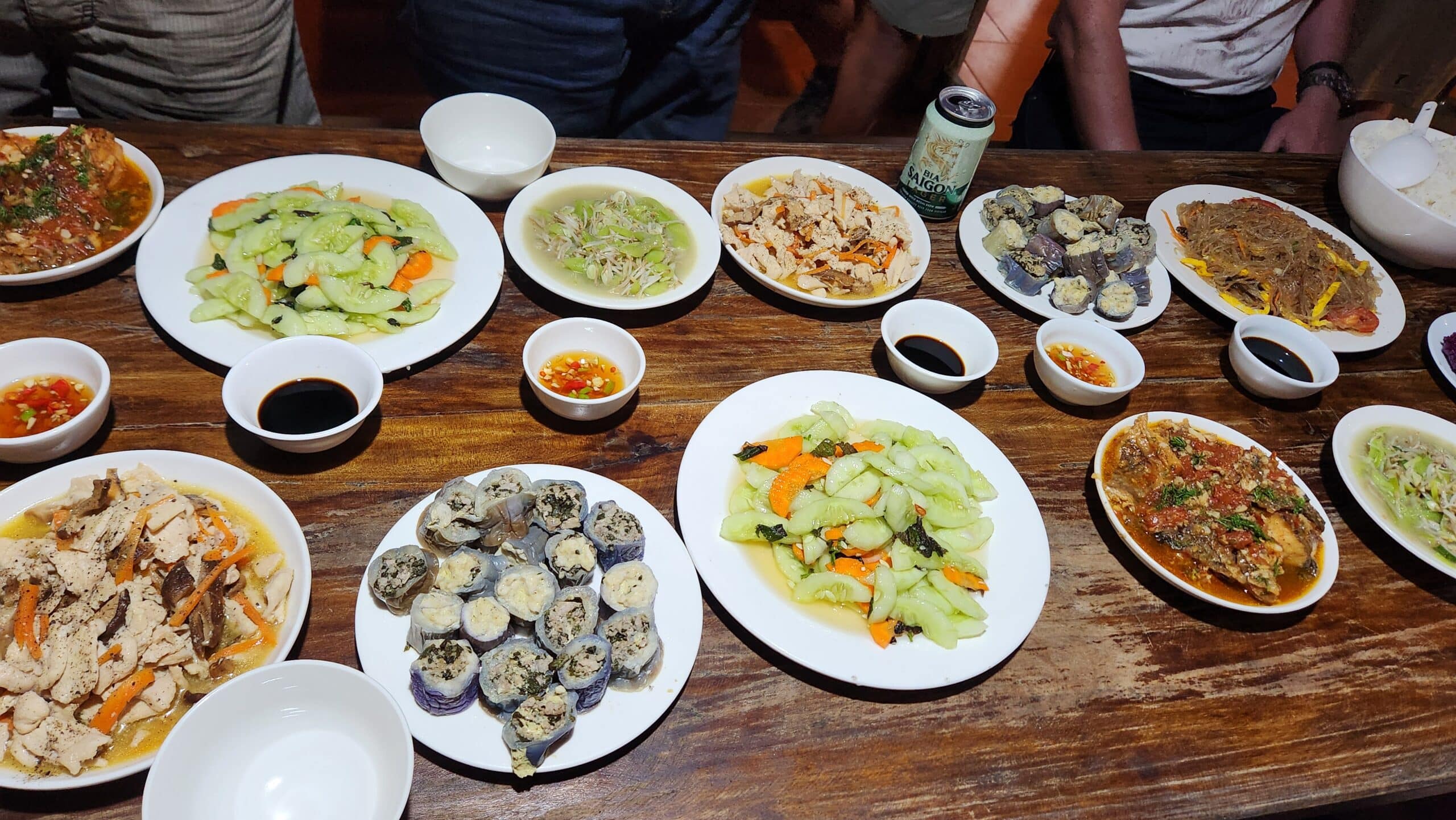
Look for places with a steady flow of customers, food cooked thoroughly and served hot, and a preparation area you are comfortable with. Wash or sanitise your hands before eating and use safe drinking water; take extra care if you have a sensitive stomach or a long riding day ahead.
There is no prize for experimenting with every unfamiliar dish the night before a demanding mountain section. Try something new when you have time to enjoy it and room to change plans if it does not agree with you.
Vegetarian food and dietary needs
“Tôi ăn chay” means “I eat vegetarian food.” If you avoid all animal ingredients, explain this more fully: a dish without visible meat may still contain meat broth, fish sauce or other ingredients you do not eat. Showing a written Vietnamese explanation of your requirements can help, especially outside larger towns.
It is sensible to carry a snack and identify a possible lunch town when your requirements are strict. Many towns will have an option, but you should not assume that every roadside restaurant can prepare one at short notice.
Alcohol and the bike
You may be offered a beer or rice wine with a meal, especially at a homestay. If you are riding, decline and have something non-alcoholic instead. Our Vietnam zero-alcohol riding guide covers the rules in detail.
Use the Route Maps to Plan Stops
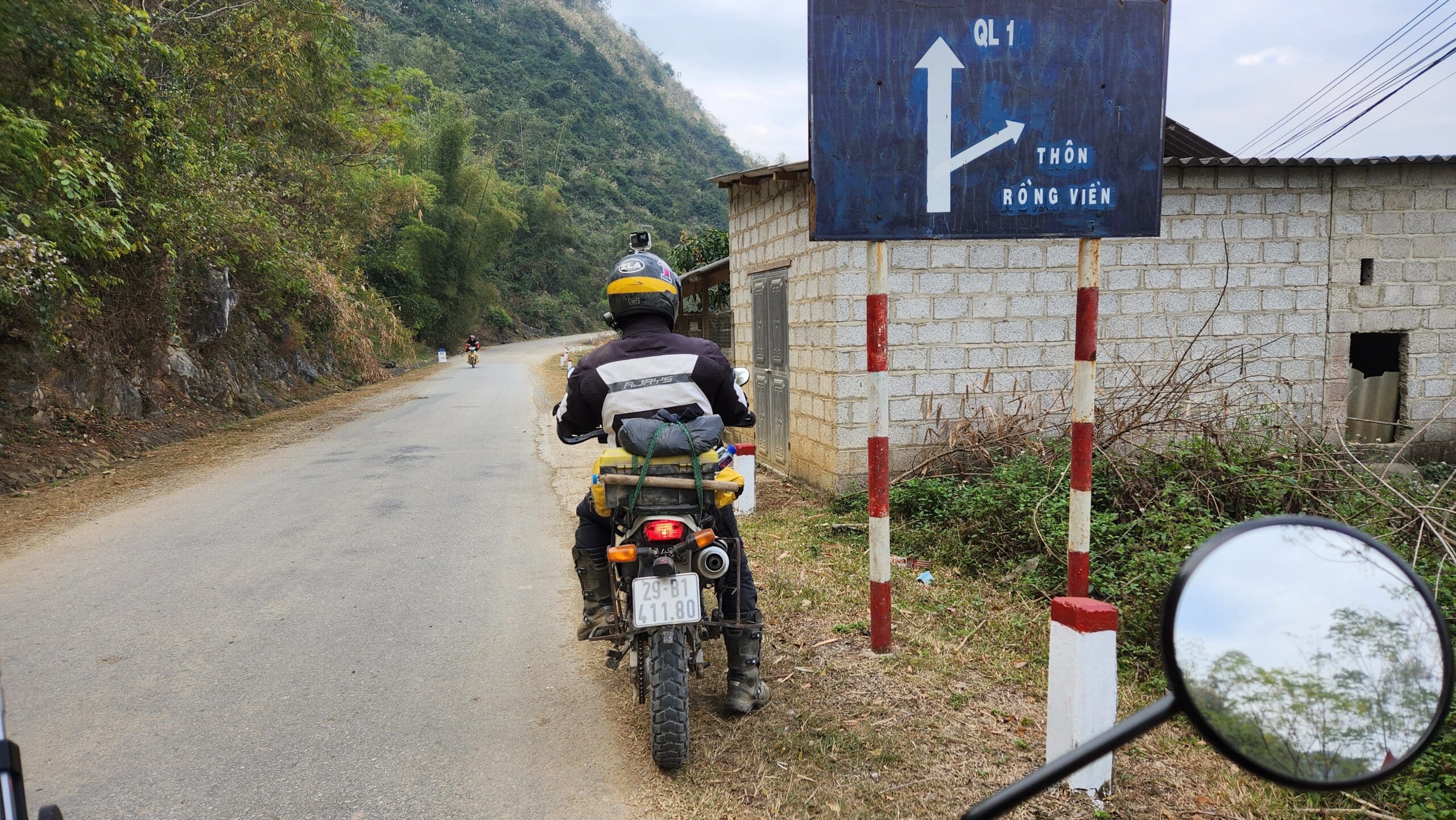
Our route maps help you compare roads between the places you actually intend to stay. That can change where you eat: an easy main-road option may offer more towns, while a quieter mountain road may require you to carry water, start with breakfast and take the first good lunch opportunity. Check the individual map’s route notes and current local conditions rather than relying on a meal pin always being open.
If you want to ride several days in the Northeast, the Northeast five-day loop shows how overnight places connect. Then open the individual Vietnam motorcycle route maps to make decisions one day at a time. For self-guided travel, you can compare our rental motorcycles; if you want the route, accommodation and riding support organised, look at our guided motorcycle tours in Vietnam.
FAQ
Is it easy to find food on a motorcycle trip in Vietnam?
Usually, yes, particularly in cities and larger towns. On remote roads, plan where you can stop and do not assume that every small settlement has a restaurant open at the time you pass through.
Also, don’t assume you will be able to eat what is served up in remote areas as food standards can be lower. It is always best ot carrry a snack.
What time should I stop for lunch?
If you find a good local restaurant around late morning or lunchtime, stop before committing to a long stretch with few services. Opening times vary, so treat your intended lunch town as a plan rather than a guarantee.
You will find in the countryside that lunch is earlier rather than later, so be looking for sustenance by about 11am.
What can I order if I cannot read the menu?
Phở, cơm rang, cơm bình dân and bánh mì are useful words to recognise. You can also point to prepared dishes or ask someone at your accommodation to write down what you would like.
Nowadays, Google lens and translate are very helpful.
Can I eat vegetarian food in smaller towns?
Often, but the choice may be limited. Explain your requirements clearly, check broths and sauces if necessary, and carry a snack when travelling through less populated areas.
Remember: “Tôi ăn chay” means “I eat vegetarian food.”
Should I plan meals using the route maps?
Yes. Use them to see which towns lie along each road and where a longer remote stretch begins. Verify individual restaurants or markets on the day, as availability can change.
Make the Meal Part of the Ride
Eating well on a Vietnam motorcycle trip takes a little planning and a lot of curiosity. Have breakfast before a long day, take a good lunch stop when you find one and check dinner arrangements if you are heading to a remote homestay.
Then leave room for the unexpected place you discover along the road. A market breakfast, a rice lunch in a small town or a shared dinner may be one of the things you remember most clearly when the trip is over. Choose your next road with our motorcycle route maps, and let the food be part of how you experience it.