Culture
The Ultimate Guide to Riding Vietnam During Tet
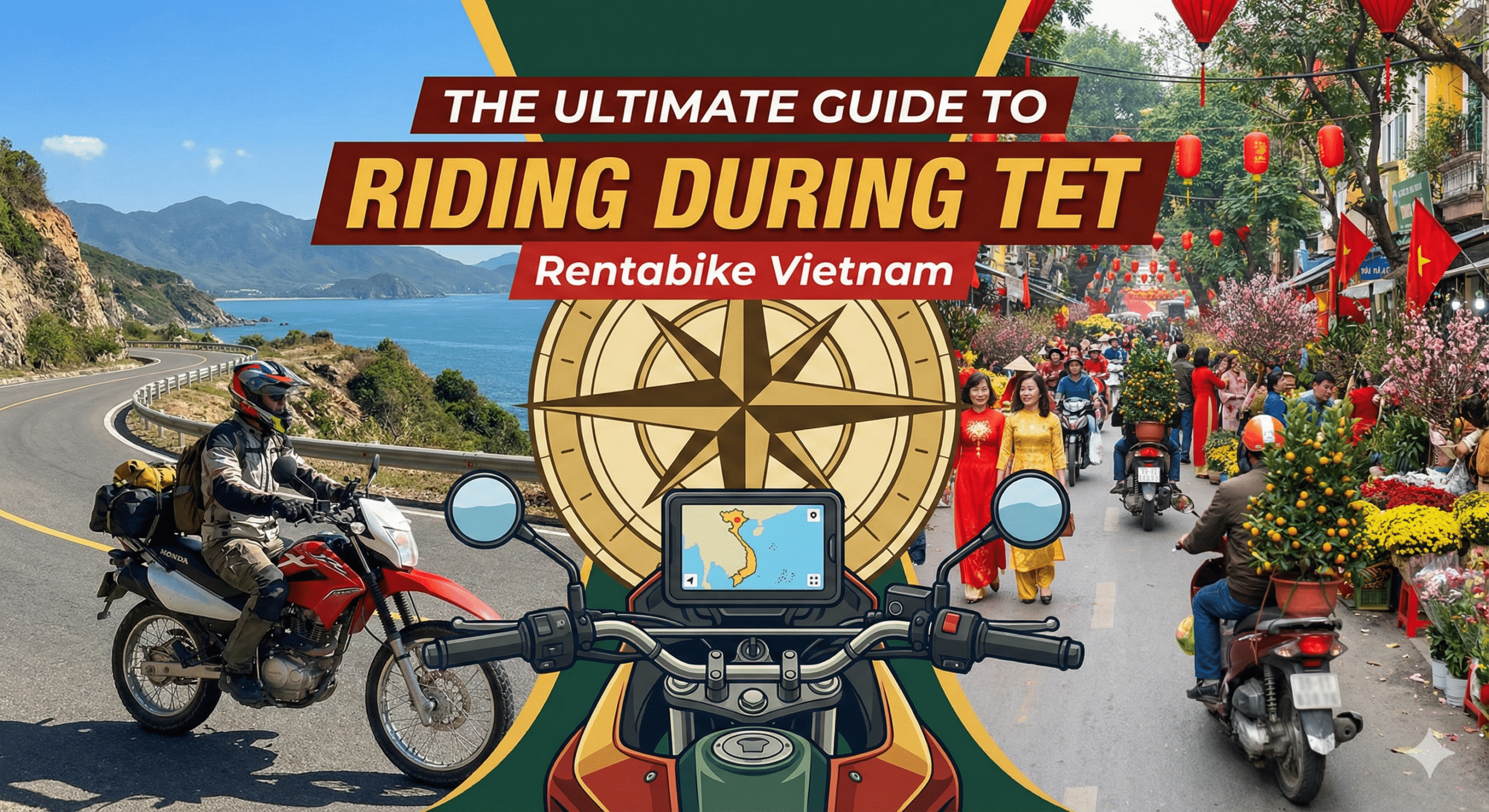
Vietnam changes during Tet. The chaotic traffic vanishes, the red flags fly, and the air fills with the smell of incense and burning votive paper. For a motorbike rider, the Lunar New Year isn’t just a holiday—it is an entirely different world.
If you are planning to ride Vietnam in late January or February, you are about to face a unique set of challenges and rewards. The mechanic shops are closed, the food scene changes drastically, and the cultural rules are strict. But in exchange, you get to see a side of the country that most tourists never witness.
This is your ultimate hub for conquering the Lunar New Year on two wheels.
1. The Survival Essentials: Read This Before You Ride
Before you even look at a map, you need to understand the logistics. Tet is a “shutdown” period. If you don’t plan for fuel, repairs, and accommodation, you will be stranded.
The Logistics:
When is Tet? Will you starve? What if your bike breaks down? We answer the critical questions in Tet Is Coming: The 2026 Bike Rider’s Survival Guide.
The General Guide:
For a broader look at travel logistics, including visas and hotel surges, read Travelling Vietnam During Tet.
Warning:
If your bike is impounded during Tet, you won’t get it back for weeks. Ensure your paperwork is 100% legal. How to Drive Legally in Vietnam
The Weather Trap:
Many riders assume Vietnam is always hot. This is a mistake. Tet usually falls during the “Nom” season in the North—a period of cold, crushing humidity and wet roads. Do not pack just t-shirts. See the forecast: Tet Weather
Staying longer?
If you extend your trip into April, you will be rewarded. The weather shifts from the damp “Nom” season to the spectacular “Falling Water” season. See what riding looks like in April & May.
2. Understanding the “Crazy”: Pre-Tet Culture
The week leading up to Tet is often crazier than the holiday itself. Traffic spikes as millions rush home, and the streets turn into a forest of moving trees.
The Kitchen Gods:
Why does the traffic go insane one week before the holiday? It’s all about the Kitchen Gods flying to heaven on carp. Read the full story in The Kitchen Gods (Ong Tao): Why Vietnam Goes Crazy One Week Before Tet.
The Flowers:
You will see kumquat trees and peach blossoms strapped to the back of every motorbike. They aren’t just decorations; they are symbols of luck and protection. Decode the meanings in Tet Flowers in Vietnam.
The Smoke:
If the streets look different, they smell different too. You will notice small fires on street corners where families burn paper offerings for their ancestors. This is “Vang Ma,” and it’s a crucial part of the holiday atmosphere. Read the full story: Burning Paper Money – A Tet Tradition or Environmental Hazard?
3. The Rules of the Road (and the House)
Tet is a spiritual minefield. Vietnamese culture is deeply superstitious during this time, and as a guest, you need to know how to behave to avoid bringing “bad luck” to your hosts.
Taboos:
Did you know that sweeping the floor on New Year’s Day is forbidden? Or that you shouldn’t enter a house unless invited? Learn the 13 critical rules in 13 Things You Strictly Must NOT Do During Tet.
Lucky Money (Li Xi):
You will see red envelopes everywhere. This is Li Xi. Knowing when to give it (and how to receive it) can open doors and hearts. Read the guide on Li Xi Lucky Money.
Street Hazards:
Be careful when cornering in cities. You will often encounter piles of burning paper or ash on the roadside. These are spiritual offerings, so try to avoid riding through them—both for safety and respect. [See the guide: The Golden Rules of Burning Paper Money
Refusing the Toast:
Drinking and driving is strictly illegal in Vietnam (Zero Tolerance), yet you will be offered alcohol constantly during Tet. You need to know how to refuse a drink politely without offending your hosts.
Learn the “Safe Refusal” technique in our guide: Strange Foods & Strong Liquors: How to Survive the Tet Feast.
⚠️Road Safety Warning: The Pre-Tet Police Blitz⚠️
You must be extra vigilant during the two weeks leading up to Tet. This period is known as the “General Inspection,” where Traffic Police (Cong An) increase their presence on highways and city exits to ensure safety during the migration.
Two critical rules for this week:
Zero Tolerance for Alcohol:
Vietnam has strictly enforced alcohol laws (Decree 100). Police checkpoints are common outside party districts and main roads. Do not drink a single drop if you are driving.
The “Impound” Risk:
If your bike is confiscated during Tet (for lack of a license or registration), it is a logistical nightmare. Administrative offices close for the holiday, meaning you might not get your bike back for 10–14 days.
Know your rights and how to handle a stop: Read our essential guide: 4 Essential Tips for Dealing with Vietnamese Police
We wrote a whole bunch of articles all about the legalities of driving motorbikes in Vietnam and put them together in our Legal Vault. If you are concerned about any legal aspects, you should take a look. If we don’t have what you need, contact us directly and we’ll get you answers as well as create that content to then put in the vault.
4. Where to Ride: Routes for the New Year
Riding during Tet offers two distinct experiences: the eerie silence of the cities and the festive chaos of the countryside.
The City Experience:
On Day 1 of Tet, Hanoi and Saigon become “Ghost Cities.” The traffic disappears, leaving wide-open boulevards perfect for a once-in-a-lifetime ride. Check out The Ghost City: Riding Hanoi and Saigon During Day 1 of Tet.
The Spiritual Route:
For those looking to escape the city, we have curated a specific loop that hits the most sacred spots in the North, perfect for the spiritual atmosphere of the season. Explore The 3 Day Spiritual Arc Loop.
The Festivals:
After the quiet of the first three days, the festivals begin. Northern Vietnam explodes with “Hoi Xuan” (Spring Festivals). Chase the energy with Riding the Dragon’s Breath: The Best Post-Tet Festivals in Northern Vietnam.
5. Fuel for the Ride: Tet Food
You won’t find your usual Banh Mi or Pho stands open. During Tet, the diet shifts to survival food—dense, sticky, and delicious.
Banh Chung:
It’s a brick of sticky rice, pork, and bean that riders can carry in a saddlebag for days. It is the ultimate rider fuel. Learn why you must try it in A Rider’s Guide to Tet Food: What is Banh Chung?
The Tet Feast & The Drinking Trap:
If you are lucky, you will be invited into a local home for a “Tat Nien” (Year-End Party). The hospitality is amazing, but the menu can be challenging for foreigners—think jellied meat and boiled chicken. More importantly, the pressure to drink “Happy Water” (Rice Wine) is intense. Read our survival guide: Strange Foods & Strong Liquors: How to Survive the Tet Feast.
Start Your Engine for the Year of the Horse
Riding Vietnam during Tet is not for the faint of heart, but it is deeply rewarding. With a little preparation and respect for the culture, you will have the road trip of a lifetime.
To see the bigger picture, note that this post is part of our Vietnam Motorcycle Legal Vault, where you can access our full library of legal advice and rider requirements.
Need a bike for the holiday? Remember to book early, as rental stock sells out weeks in advance of the New Year rush.