Routes
Riding the Dragon’s Breath: A Motorcyclist’s Guide to Northern Vietnam’s Spring Festivals
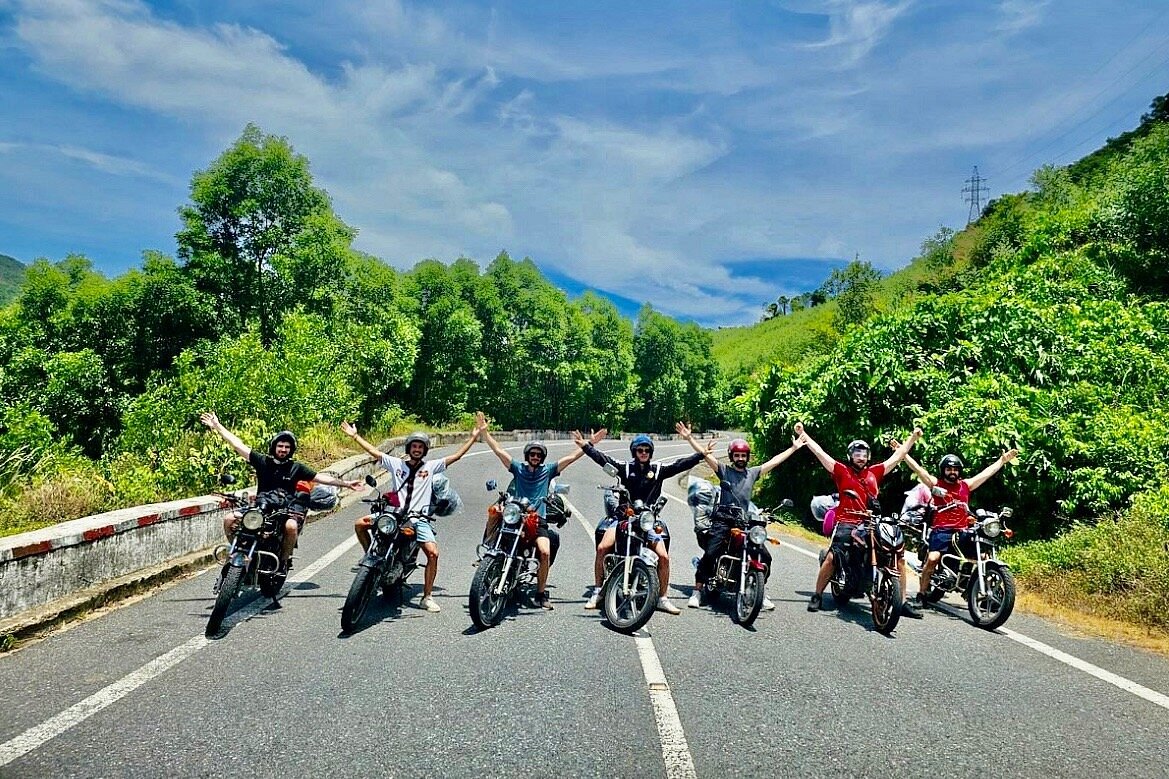
Post-Tet riding in the North offers a raw look at Vietnamese culture. The roads are busy, the air is damp, and the energy is intense. We’ve mapped out the “Spiritual Arc” to help you navigate these sacred sites.
Before you throttle up, make sure you know the rules of the road during this chaotic season with The Ultimate Guide to Riding Vietnam During Tet.
The Perfume Pagoda (Huong Pagoda)
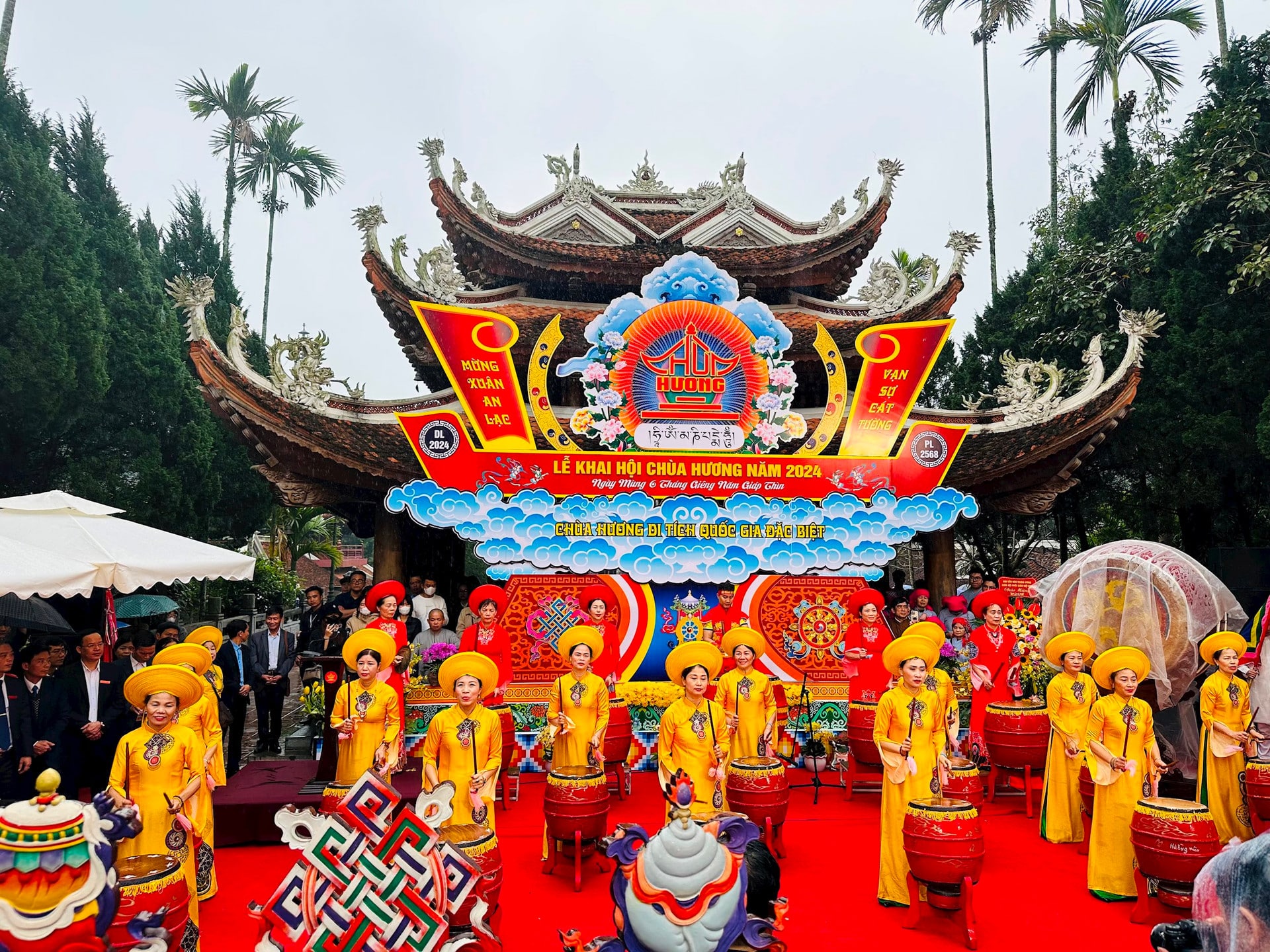
This is the big one. It is not just a festival; it is a national phenomenon. If you only visit one spiritual site during your ride in the North, make it this one.
The Journey: Boat and Hike
Located in My Duc (about 60km from Hanoi), the Perfume Pagoda is a vast complex of shrines built into the limestone cliffs of Huong Tich Mountain. Uniquely, you cannot ride your bike to the temple gate. You must ride to the Yen Stream, park, and take a small metal rowboat. During the festival, the stream is clogged with thousands of boats, looking like a scene from an ancient painting come to life.
The Atmosphere
The energy here is intense—drums beating, prayers chanting, and the smell of incense heavy in the damp air. It is the ultimate mix of nature and culture. The boat ride through the misty karsts is serene, while the cave temple at the top—believed to be the “mouth of the dragon”—is awe-inspiring.
The Rider’s Route & Scam Warning
The ride from Hanoi takes about 1.5 to 2 hours. The roads are flat but busy with pilgrimage buses.
Rider Tip: Do not trust the random “flag wavers” on the road trying to sell you boat tickets or parking miles away from the entrance. Ride all the way to the official Ben Duc pier and park in the designated lot.
Why Go?
It is the ultimate mix of nature and culture. The boat ride through the misty karsts is serene, while the cave temple at the top—believed to be the “mouth of the dragon”—is awe-inspiring.
Yen Tu Mountain – The Cloud Walk
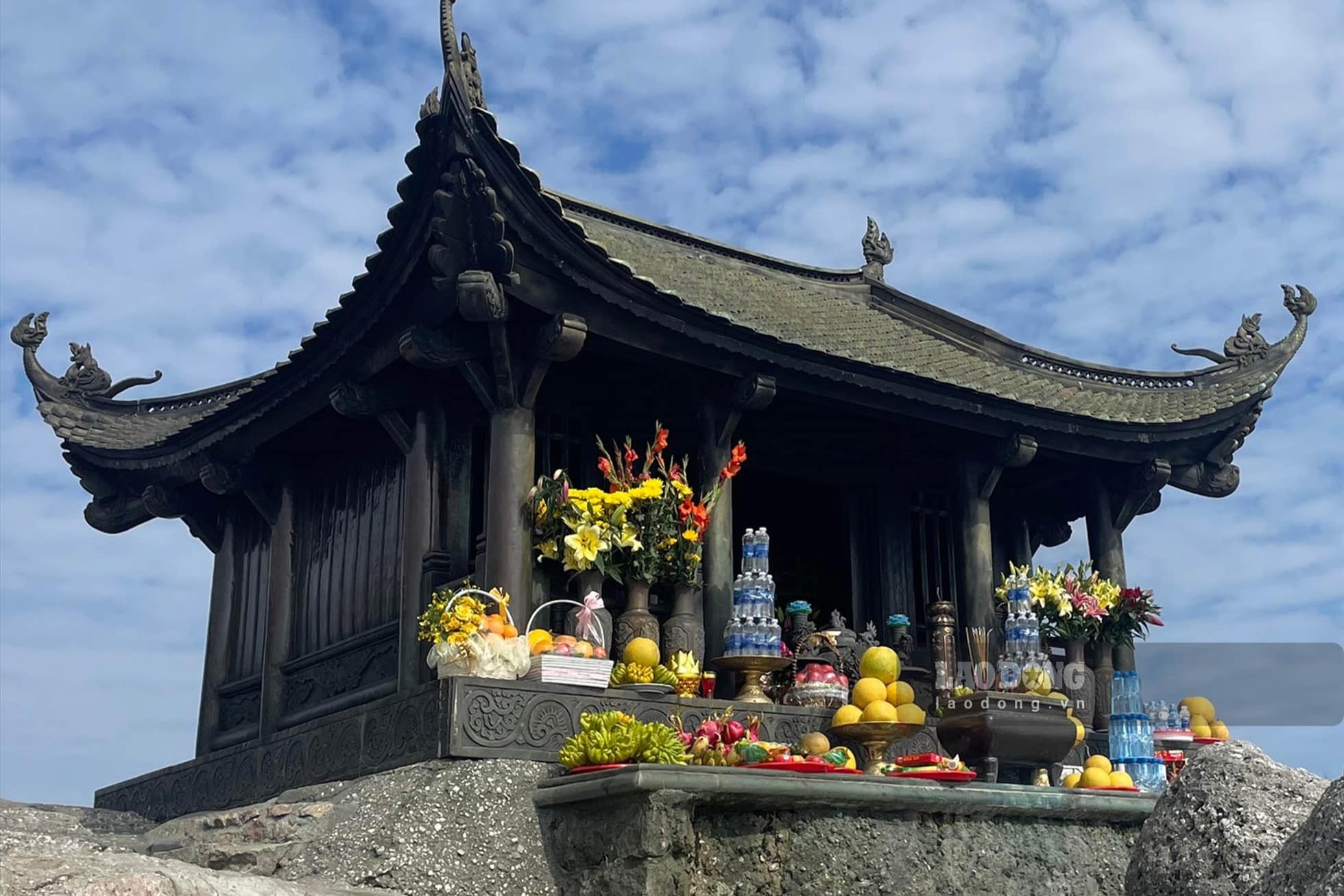
For riders who want mountain roads and Zen vibes, Yen Tu is the destination.
The Capital of Zen
Located in Quang Ninh province (en route to Ha Long Bay), Yen Tu is the birthplace of Truc Lam Zen Buddhism, founded by the Monk-King Tran Nhan Tong in the 13th century. It is considered one of the most sacred peaks in Vietnam, often shrouded in heavy clouds.
The Rider’s Appeal
The road leading to the base of Yen Tu is fantastic—smooth, winding tarmac flanked by ancient pine forests. It is a joy to ride. The area feels ancient and solemn, a stark contrast to the chaos of the city.
The Climb
The goal is the Dong Pagoda (Bronze Pagoda) which sits on the very peak. You can hike the stone steps (taking 3-4 hours) or take a spectacular two-stage cable car system. If you want deep spirituality without the carnival atmosphere, this is it.
Bai Dinh & Trang An (The Cinematic Route)
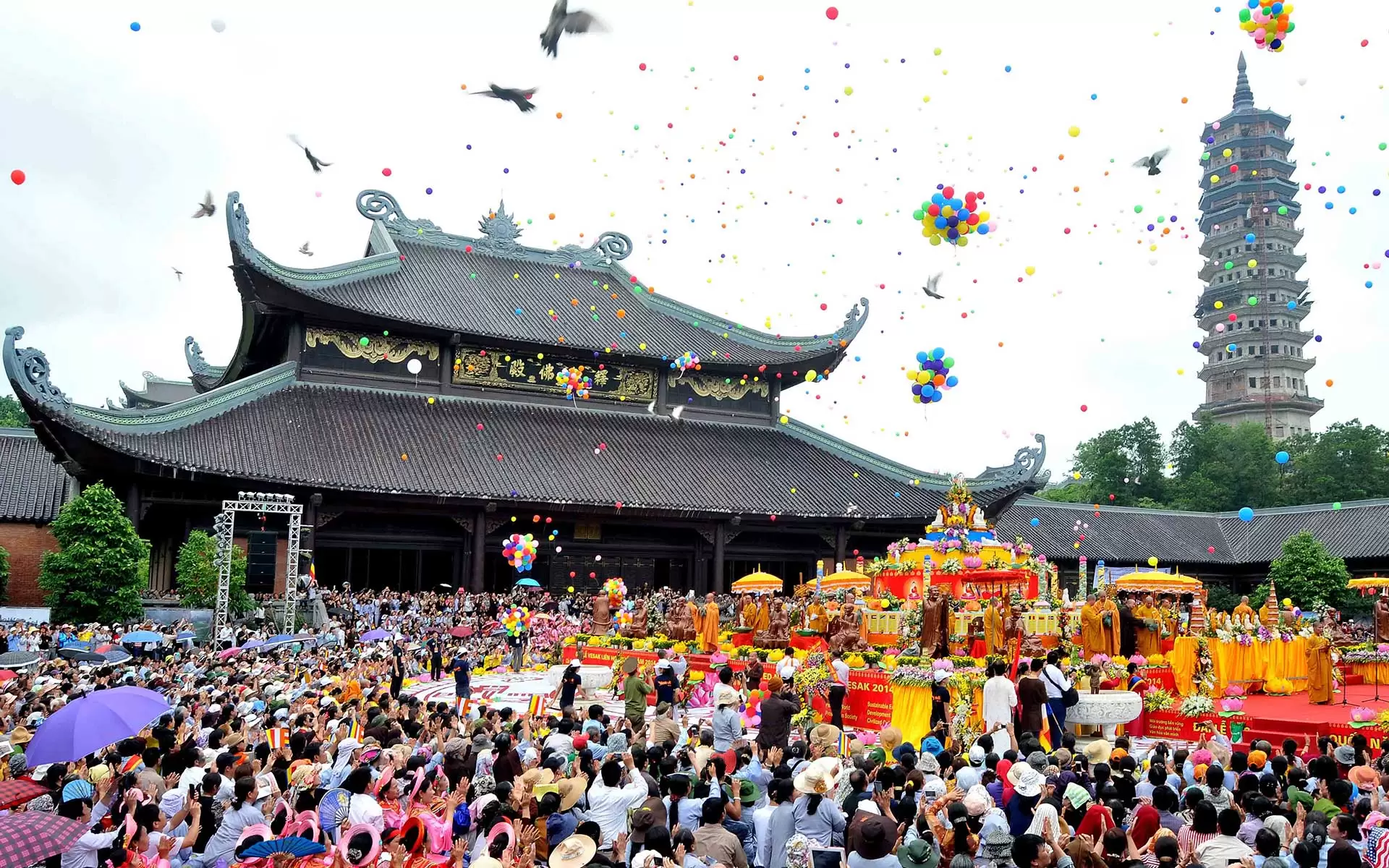
If you have seen the movie “Kong: Skull Island,” you know this landscape. This is the most scenic festival route in the country.
The Giant of Southeast Asia
Bai Dinh Pagoda in Ninh Binh is massive. It holds records for the largest bronze Buddha, the longest corridor of Arhat statues, and the largest temple complex in Southeast Asia. The festival here is grand, loud, and visually overwhelming.
Trang An Landscape
Just a short ride away is Trang An, a UNESCO World Heritage site. During spring, the moss is green, and the water is clear. Taking a boat ride through the caves here is essential to fully appreciate the karst landscape you just rode through.
The Rider’s Loop
Ninh Binh is arguably the best place in Vietnam for day-trips on a motorbike. The roads are flat, weaving between sheer limestone cliffs and rice paddies. You can easily spend 3 days just exploring the backroads here. During Spring, the “festival drums” echo off the cliff walls, and colorful flags line every country road.
The Lim Festival – The Sound of Heritage
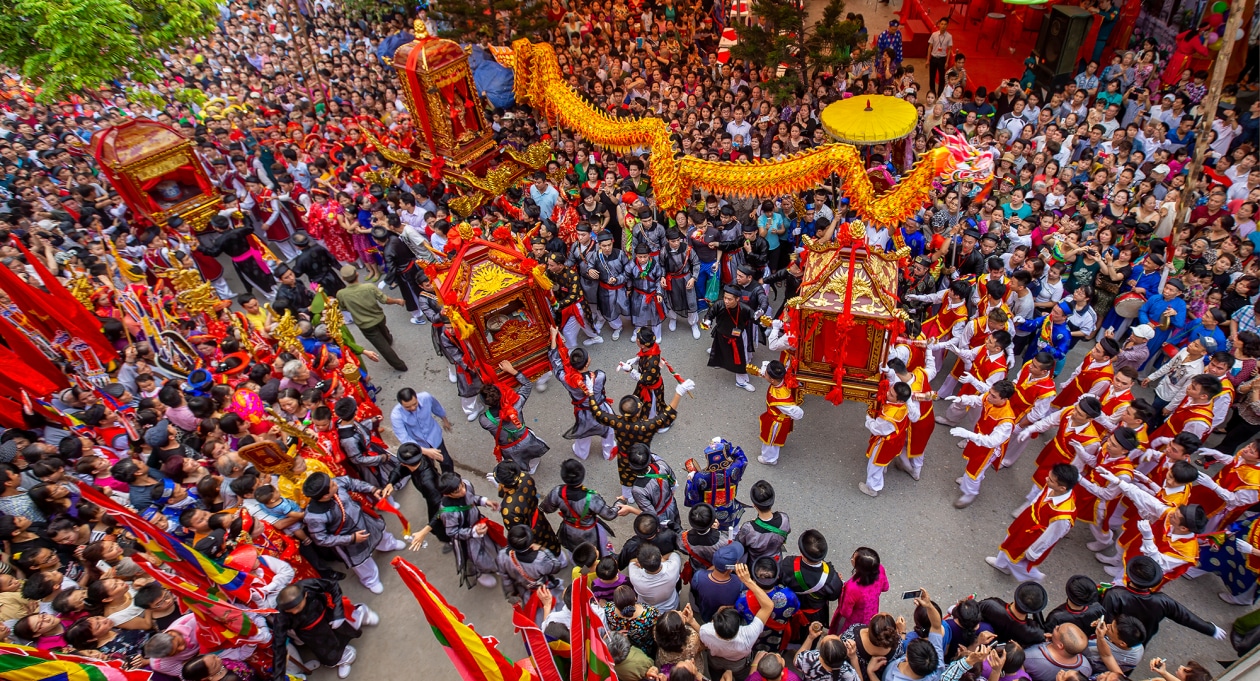
For something completely different, head to Bac Ninh province for the Lim Festival. This isn’t about praying; it’s about singing.
Quan Ho Folk Singing
This festival (usually 12th-13th day of Lunar New Year) celebrates Quan Ho, a UNESCO Intangible Cultural Heritage. Men and women dress in traditional elaborate layered robes and sing love duets to each other from dragon boats on the lake or on hilltops.
The Dating Game
Historically, this was a courting festival where young people from different villages would meet and sing to find partners. The lyrics are poetic, flirtatious, and hauntingly beautiful.
The Atmosphere
It is intimate and joyful. Unlike the crush of the pagodas, this feels like a giant village fair. There are wrestling matches, bamboo swings, and weaving competitions. Being only 30-40 minutes from Hanoi, it is an easy half-day ride for a quick cultural injection.
Riding the “Spiritual Arc” (Practical Guide)
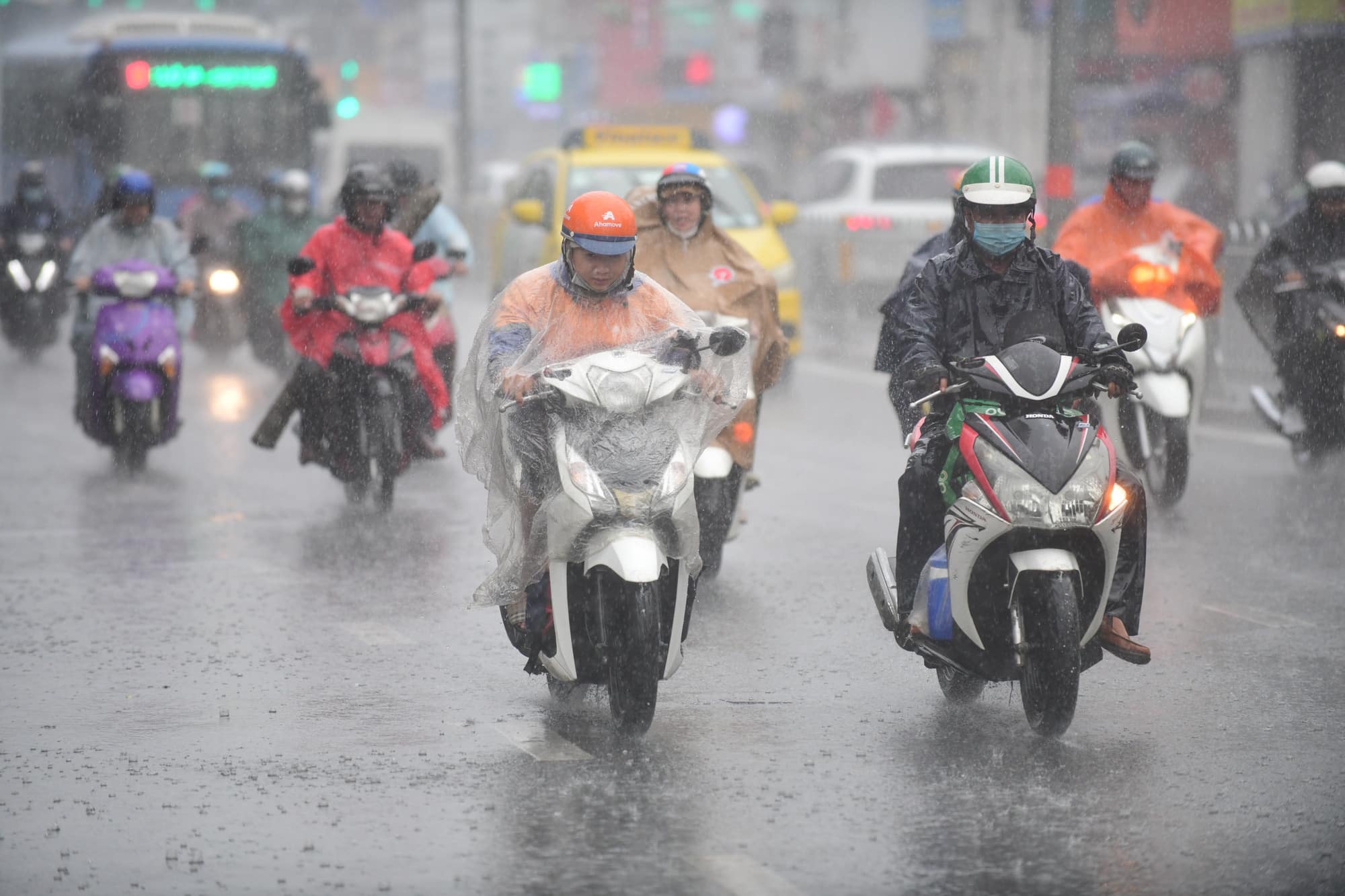
Thinking of linking these together? Here is the reality of riding in Northern Spring.
The “Nom” Weather & Gear
Post-Tet weather in the North is unique. It is called “Nom”—a period of high humidity and light drizzle. The roads can be perpetually damp and slippery. You don’t need heavy thermal gear, but you need waterproof outer layers. A clear visor is essential as the mist coats your glasses/goggles quickly.
The Traffic Hazard: Pilgrimage Buses
The biggest danger on the roads post-Tet is not other bikes, but the 45-seater pilgrimage buses. They are often hired by villages and driven by tired drivers on tight schedules who drive aggressively. If you see a bus with a red banner saying “Le Hoi” (Festival), stay out of its way.
Parking Scams
At every festival site, “fake” parking lots spring up kilometers before the entrance. They will wave you down aggressively. Ignore them. Keep riding until you see the official gates and ticket booths. The official lots are safer, cheaper, and closer.
FAQ
Is it safe to ride a motorbike during the festival season?
Yes, but you must be extra vigilant. The volume of traffic increases significantly, especially large coaches and buses. Stick to a defensive riding style and avoid speeding.
Do I need an International Driving Permit (IDP)?
Legally, yes. To ride in Vietnam, you generally need a valid motorcycle license from your home country and a 1968 Convention IDP. Police checks can be more frequent during holiday periods.
If you have an ASEAN license, it is valid in Vietnam, too.
Can I buy food at these festivals?
Absolutely. All these festivals are surrounded by food stalls selling local delicacies. However, prices can be inflated during the festival season (“Tet pricing”), so ask for the price before you order.
What happens if it rains?
The “Nom” weather means it is often drizzling. The roads will be slick. Slow down, use your rear brake more gently, and ensure your rain gear is high quality. The show goes on regardless of the rain.
Are these places suitable for beginner riders?
The routes to Ninh Binh and Bac Ninh are flat and relatively easy. The route to Yen Tu involves some mountain riding but is well-paved. The ride to the Perfume Pagoda is flat but chaotic. Beginners should be comfortable in heavy traffic before attempting these trips.
Riding Through a Landscape of Luck
Riding the “Spiritual Arc” of Northern Vietnam during the spring festivals is an assault on the senses in the best possible way. It is a journey through the mist, the mountains, and the soul of the country.
From the rowing boats of the Perfume Pagoda to the soaring peaks of Yen Tu and the songs of Bac Ninh, these routes offer more than just good tarmac—they offer a glimpse into the enduring traditions that keep Vietnam vibrant. Gear up for the damp, watch out for the buses, and open your mind to the experience.
Ready to chase the spring?
The festivals last for weeks, so there is no rush. Book a Touring Bike with us, grab a rain poncho, and explore the spiritual side of the North.