Tours
Northern Vietnam Winter Motorcycle Riding Guide
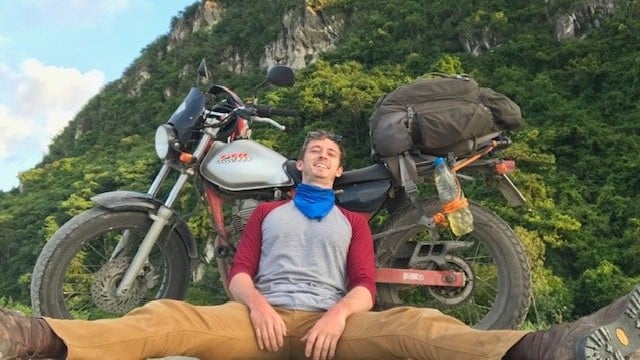
Northern Vietnam in winter can be some of the most memorable riding in the country. The roads are quieter in many areas, the mountain scenery can be dramatic, and mist hanging over limestone valleys gives places such as Hà Giang, Cao Bằng, Sa Pa and the Northwest a completely different atmosphere.
It can also be properly cold.
The important thing is not to treat a winter motorcycle trip as a normal warm-weather ride with an extra jumper. Cold air, damp clothing, wind chill, fog and shorter comfortable riding days can all affect how far you travel, how quickly you tire and which route makes sense on a particular morning.
With the right clothing, realistic daily distances and a willingness to change the plan when the weather turns, winter riding in Northern Vietnam is entirely manageable. This guide explains what we would prepare before leaving Hanoi and what we would pay attention to once the road starts climbing.
For a broader month-by-month picture, see our Vietnam Motorcycle Weather Guide.
How cold does Northern Vietnam actually get?
Hanoi can feel mild by European or North American winter standards, but the mountains are a different story. Temperature drops with altitude, and damp air can make a relatively modest temperature feel much colder once you are riding at speed.
A clear afternoon in Hanoi can therefore be followed by a cold, wet morning in Đồng Văn, Sa Pa or a high pass in the Northwest. The difference matters because riders often pack for the city where they collect the bike rather than the conditions they will meet two days later.
Altitude matters more than the forecast for Hanoi
If the route includes high mountain areas, plan for colder conditions than the lowland forecast suggests. Hà Giang, Cao Bằng, Lào Cai and the Northwest all contain roads where altitude, cloud and wind can change the feel of the day very quickly.
Do not assume that because the sun is out at breakfast the whole day will remain warm. Carry at least one layer that can be added without unpacking half the motorcycle.
Cold and damp is often harder than simply cold
Northern Vietnam winter weather is frequently humid. A damp 8–12°C day can feel more uncomfortable on a motorcycle than a colder but dry day elsewhere because gloves, boots and outer layers gradually lose warmth.
That is one reason our general weather guide is useful alongside this article. The question is not simply “What temperature will it be?” but “Will it be windy, damp, foggy and at altitude?”
If you are choosing dates rather than already committed to a winter trip, our Best Time for a Northern Vietnam Motorcycle Tour guide gives the wider seasonal picture.
What to wear for a winter motorcycle trip
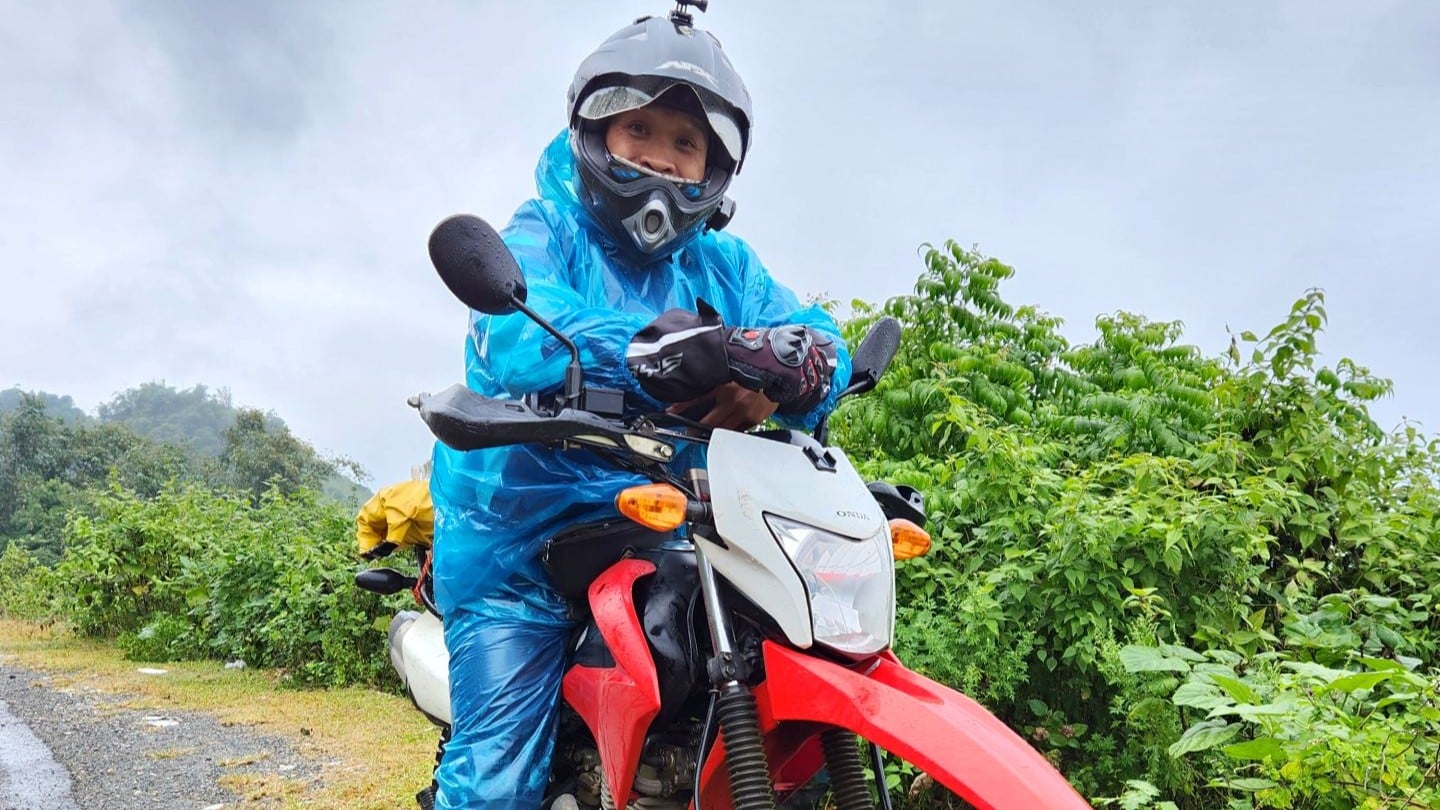
The best winter riding kit is not complicated. It is about layers, wind protection and keeping the parts of the body that lose comfort first, hands, feet, neck and chest, warm enough that concentration does not suffer.
Bring proper base layers
We would bring thermal base layers from home rather than assume good motorcycle-specific winter clothing will be easy to find locally. Synthetic or merino layers pack small, dry relatively quickly and make a large difference when the temperature drops.
A thin thermal layer under normal riding clothes is usually more useful than carrying one enormous jacket because it gives more flexibility as the day warms and cools.
Use a windproof or waterproof outer layer
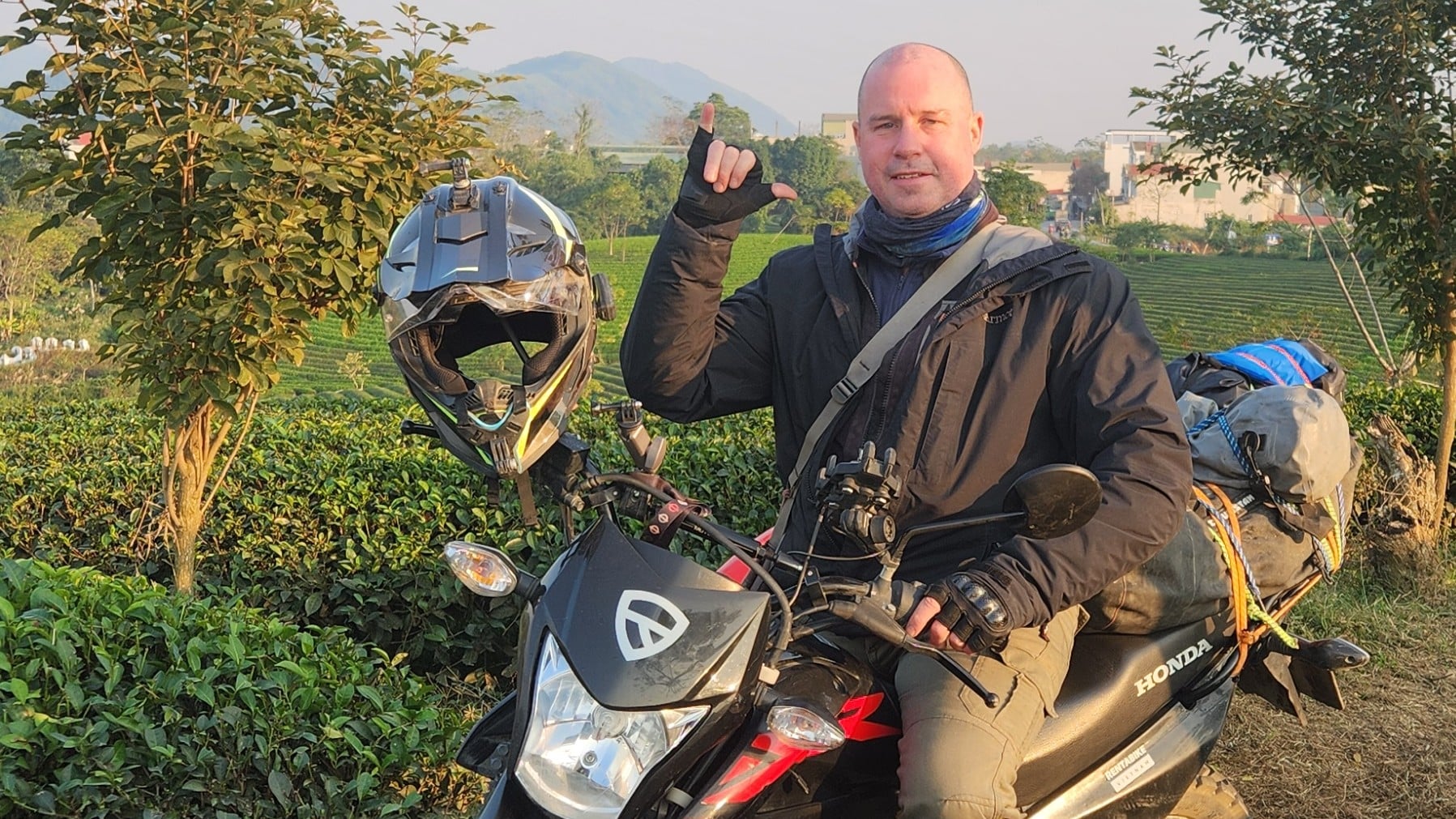
Even when it is not raining, a waterproof shell can be useful because it blocks wind. On a motorcycle, wind chill often matters more than the number shown on the weather app.
If rain gear is already included with the rental, it can double as an emergency wind layer. The point is not to wear everything all day; it is to have something available when the road climbs into colder air.
Protect your hands
Cold hands make throttle, clutch and brake control less comfortable. Proper winter gloves are best, but if a rider is caught out without waterproof gloves, a thin pair of disposable nitrile or latex gloves worn underneath can act as a temporary wind and moisture barrier.
It is an emergency trick, not a replacement for proper motorcycle gloves, but it can be surprisingly useful on a cold wet day.
Do not forget feet and neck
Warm socks, reasonably waterproof footwear and a neck tube or buff can make a larger difference than carrying another bulky jacket. If boots become soaked, take the liners out at the end of the day and dry them as thoroughly as possible.
Wet gear is one of the easiest ways to make the following morning miserable.
How winter changes the riding itself
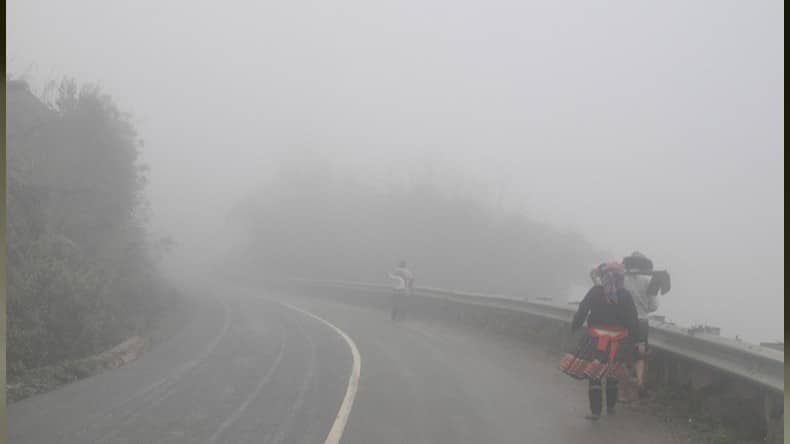
Winter affects more than comfort. It changes visibility, grip, fatigue and realistic daily distance.
That means a 150 km day that would be straightforward in mild, dry weather can become a much longer and more tiring day when the rider spends hours in fog, drizzle and cold wind.
Expect mist, drizzle and greasy surfaces
Light rain and mist do not always wash the road clean. They can mix with dust, oil and grime and leave the surface surprisingly slippery, particularly around towns, junctions, painted lines and polished concrete.
Ride smoothly, leave more braking distance and avoid aggressive inputs when the road looks damp or dirty.
Heavy fog means slower progress
Mountain fog can reduce visibility very quickly. Use dipped headlights rather than relying on high beam, which can reflect back from thick fog, and reduce speed until the stopping distance matches what can actually be seen.
On blind mountain bends, a short use of the horn can help alert other road users, but it is not a substitute for riding slowly enough to react.
If visibility becomes genuinely poor, stopping for coffee and waiting for conditions to improve is often the sensible decision.
Animals do not disappear in winter
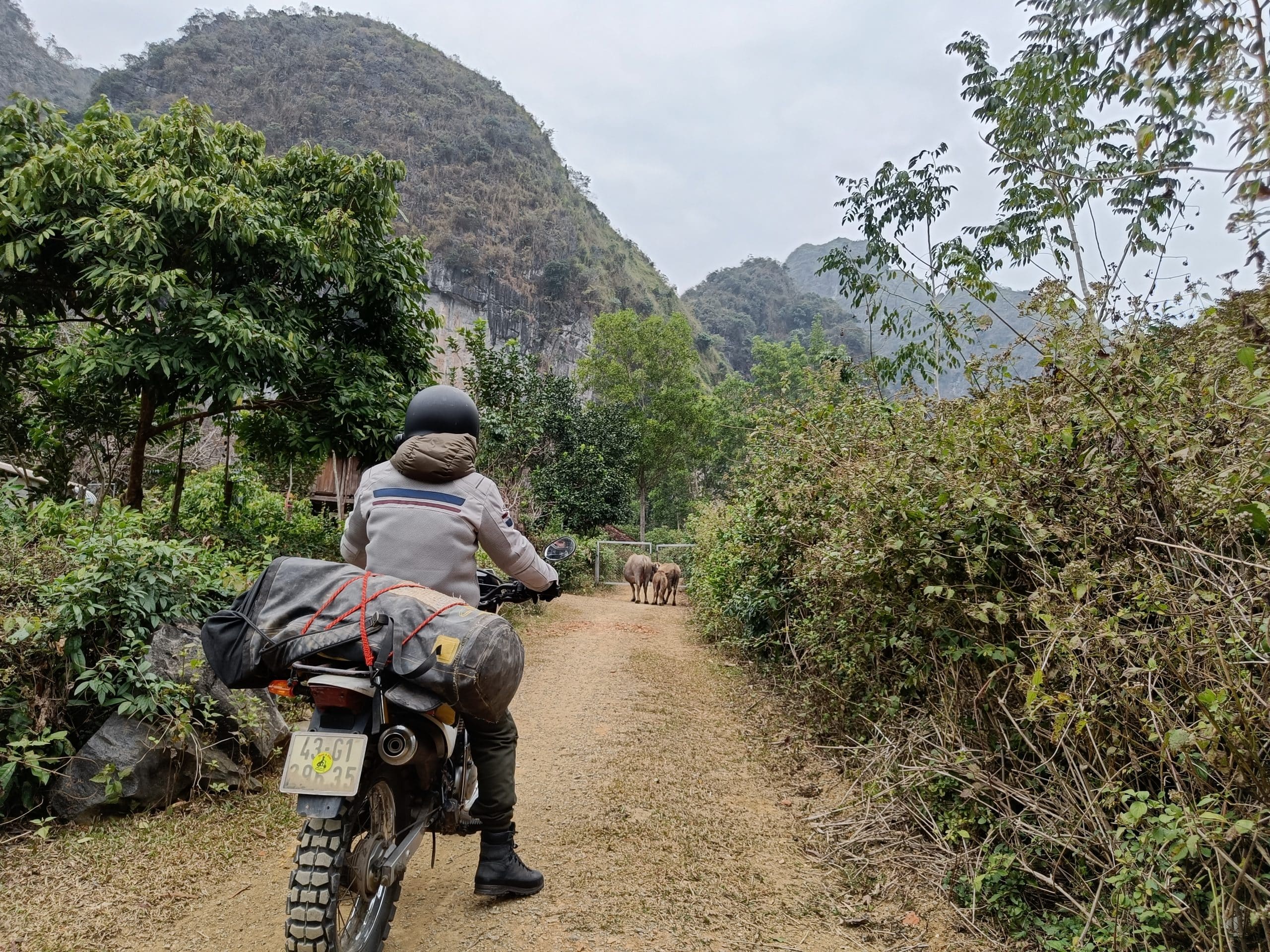
Buffalo, cattle, dogs and other livestock remain a normal part of rural riding. Animals can stand on or beside the road, including around blind bends, and cold conditions may make warm road surfaces particularly attractive.
Assume there may be something around the corner that is not visible yet.
Plan shorter days when conditions are poor
Cold weather is tiring. So is riding slowly through fog.
Do not build an itinerary that requires a fixed number of kilometres every day regardless of conditions. Our guide to How Far Can You Really Ride in One Day in Vietnam? explains why road type, weather, traffic and rider fatigue matter more than the number on Google Maps.
Winter is exactly when that principle becomes important.
Choosing the motorcycle and route in winter
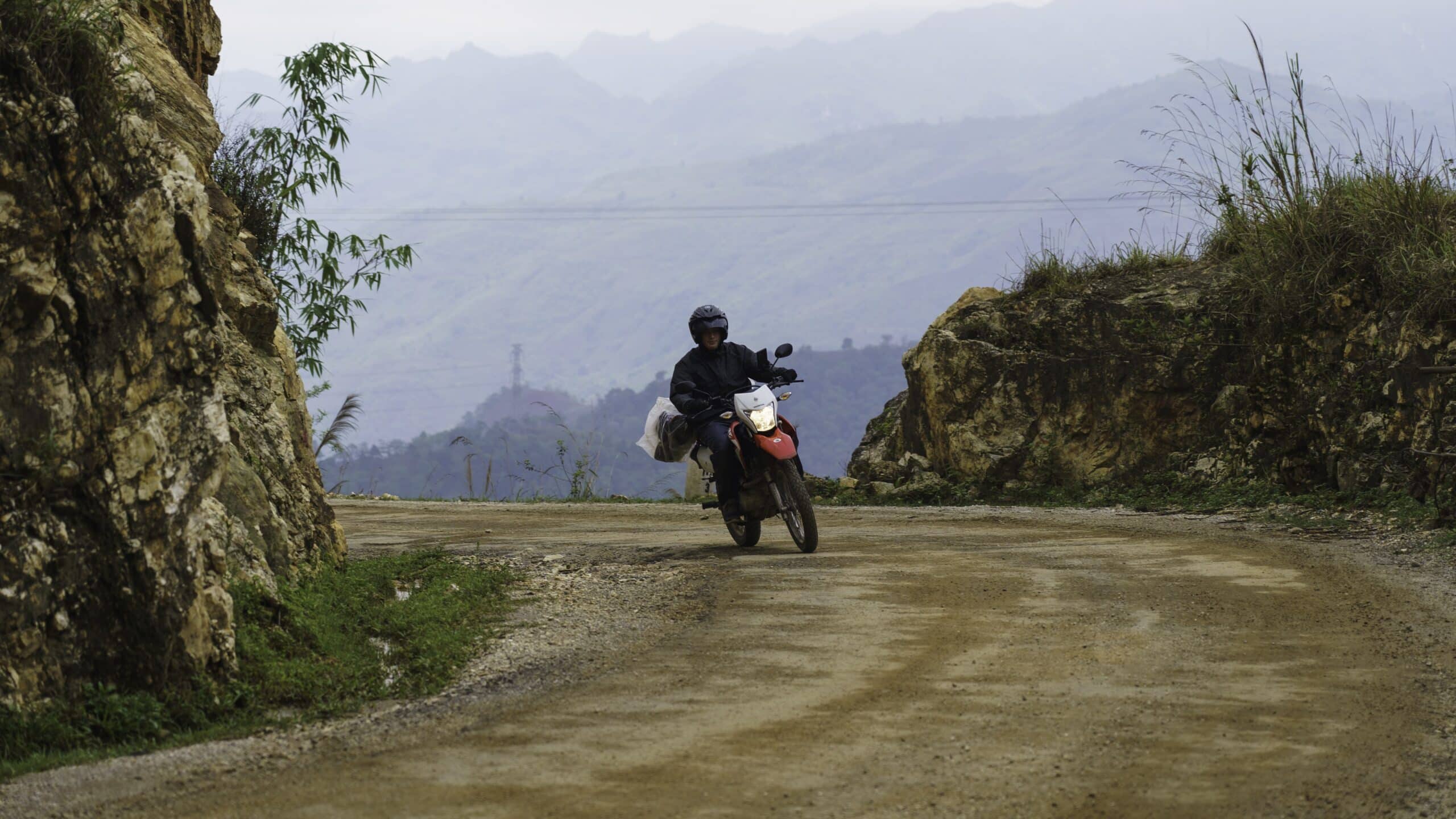
There is no single best winter motorcycle. The right bike depends on experience, luggage, road type and whether the trip is mostly paved touring or includes broken roads and easier dirt sections.
Smaller dual-sports remain very useful
The Honda XR150 remains a sensible choice for many northern routes because it is relatively light, simple and easy to manage on narrow mountain roads and rougher surfaces.
Its larger wheels and upright riding position are useful when roads are broken or damp, but it is still a basic motorcycle without modern rider aids. Smooth riding matters more than the model name.
Riders considering one can compare the Honda XR150 rental page and our Honda XR150 Vietnam guide before deciding.
Larger bikes can be more comfortable on long cold days
For experienced riders travelling longer distances, a motorcycle such as the Honda CB500X can provide more wind protection, stronger road performance and better comfort with luggage.
That does not automatically make it the better winter bike. A heavier motorcycle can be more demanding on narrow, slippery or damaged roads, so the route and rider matter more than engine size.
Choose routes with alternatives
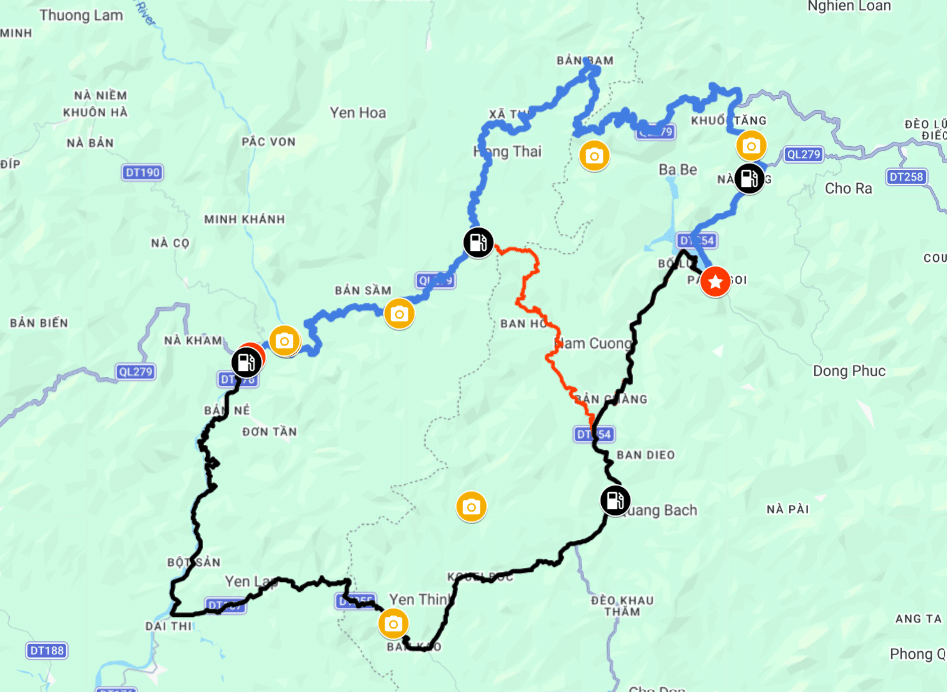
Winter is a good time to avoid overcommitting to one exact road. Fog, construction, landslides, cold snaps or local conditions can make a planned route less attractive on the day.
Our Vietnam Route Maps are useful because many include alternative lines, distances and estimated riding times. When conditions are poor, choosing the easier road is usually a better decision than forcing the most dramatic one. Above, you can see our Na Hang to Ba Be Lake map and that there are 3 alternatives. You can use the description to help you choose the right route for your particular day.
For riders who want the route, accommodation and daily decisions handled for them, a guided motorcycle tour can remove much of the logistical pressure.
Making a cold-weather trip enjoyable
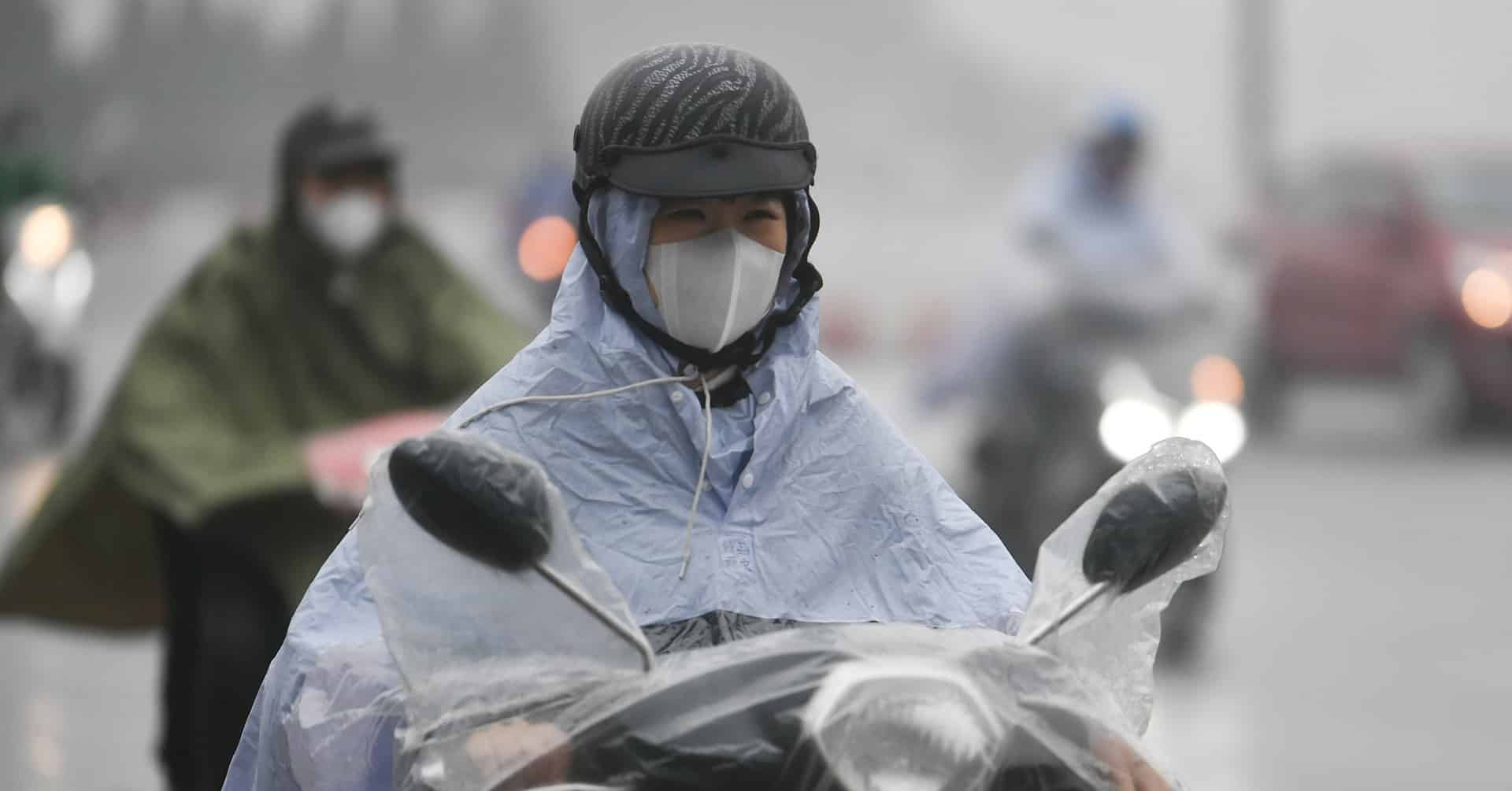
A winter trip should not become an endurance test. The best days are usually the ones where the rider stays warm enough, dry enough, finishes before dark and still has enough energy to enjoy the evening.
Choose accommodation with winter in mind
In mountain towns and villages, ask whether the room has heating, extra blankets or a place where wet clothing can be dried. Some hotels and homestays nowadays have electric blankets, which can be amazing. A homestay with a fire in the common area can transform a cold evening.
Do not assume every room will be heated simply because the temperature is low.
Dry everything you can
Take wet gloves, socks and boot liners out of bags as soon as you arrive. Ask for a fan, hair dryer or warm drying area if one is available. Using aircon to dry stuff our is also possible. Turn the aircon on and put your gear in front of the fan and it should dry quickly.
Putting damp gear back on the next morning is unpleasant and can make the first hour of riding much colder than it needs to be.
Start later if the mountain is covered in fog
There is no prize for leaving at 07:00 if the road is invisible.
On some winter mornings, having another coffee and allowing fog to lift can make the day both safer and more enjoyable. This is another reason to keep daily distances realistic and have plenty of time up your sleeve.
FAQ
Is Northern Vietnam too cold to ride in winter?
Usually, no. Plenty of riders travel through Northern Vietnam during winter, but the experience is very different from riding in warm weather. Mountain areas can be cold, damp and foggy, so clothing, route choice and daily distance need more thought.
Can temperatures reach freezing in Northern Vietnam?
Yes, cold snaps can bring temperatures close to or below freezing in some high-altitude northern areas. Conditions vary significantly by location and year, so riders should check local forecasts rather than rely on Hanoi weather.
Does it snow in Northern Vietnam?
Occasionally. Snow or ice can occur in a small number of high-altitude locations during unusually cold weather, but it is not something most winter riders will encounter every trip. Fog, drizzle, wet roads and cold wind are far more common concerns.
What is the best motorcycle for winter riding in Northern Vietnam?
There is no single best choice. An XR150 or similar dual-sport can work very well on mixed mountain roads, while an experienced rider covering longer paved distances may prefer the comfort and wind protection of a larger motorcycle such as the CB500X.
Should I change my route if the weather is bad?
Yes. Flexibility is one of the most useful winter riding skills. If a high pass is covered in dense fog or a road has become unpleasantly wet and cold, choosing a lower, easier alternative or waiting for conditions to improve is often the better decision.
Ready for a winter ride in Northern Vietnam?
Winter riding in Northern Vietnam can be excellent, but it rewards preparation more than bravado.
Bring proper base layers, protect yourself from wind, keep daily distances realistic and allow the weather to influence the route. Some days will be clear and beautiful; others may begin in fog and drizzle. The riders who enjoy winter most are usually the ones who are willing to adapt.
If you are planning a winter motorcycle trip, browse our Vietnam Route Maps to compare possible roads, look at our motorcycle rentals if you are travelling independently, or see our guided motorcycle tours if you would prefer us to organise the route and logistics.
Travelling alone? Our Solo Motorcycle Tours in Vietnam – Join a Group and Ride Together page explains how we can sometimes connect solo riders with others looking for similar dates and routes.
If you want help choosing a bike or planning a winter route, contact AZ Motorbikes.