
Live + Work
Hanoi Weather by Month: Best Time to Visit & What to Expect
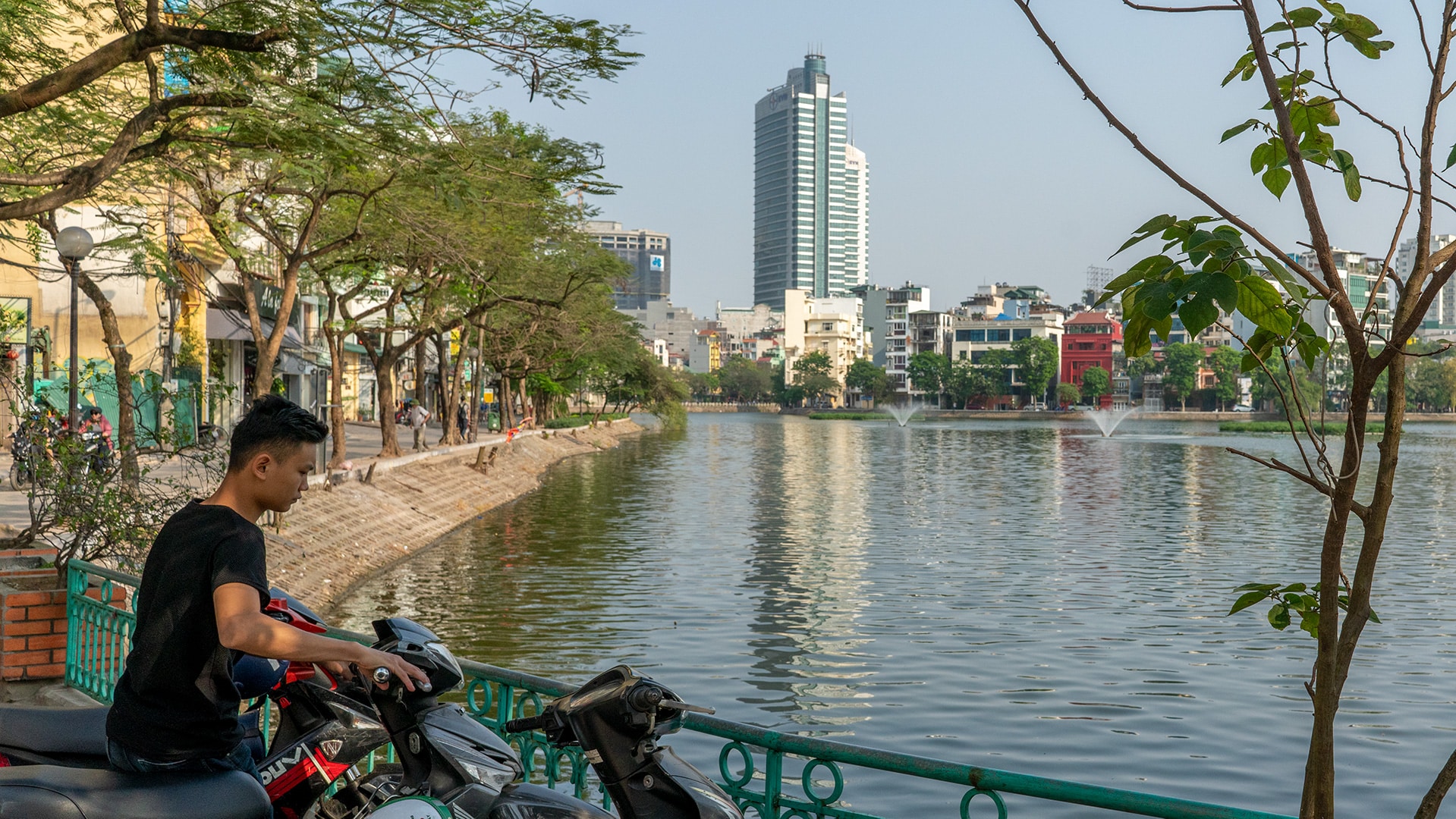
Hanoi has four distinct seasons, and the difference between visiting in January and July can be enormous. Winter can be cool and grey, summer is hot and humid with frequent storms, while spring and autumn are usually the most comfortable times to visit. If you are planning to explore Hanoi or ride into Northern Vietnam, choosing the right month can make a big difference to your trip.
Best overall months: October–November and March–April.
Hottest months: June–August.
Wettest period: July–September.
Coolest months: December–February.
What is the weather like in Hanoi?
As previously mentioned, the north of Vietnam experiences four seasons throughout the year. Winter, Spring, Summer, and Autumn. As a result, it is important to take these seasons into account when visiting the city of Hanoi.
Below you will find a breakdown of each of these seasons and what type of weather you can expect during
| Month | Typical Weather | Average hi-lo Temps (C) | Rain | Best For |
|---|---|---|---|---|
| January | Cool, often grey and damp | 14 – 20 | Low-moderate | City sightseeing, cooler riding |
| February | Cool, with occasional drizzle and humidity | 16 – 21 | Moderate | Exploring Hanoi, early spring trips |
| March | Warmer, more humid, generally comfortable | 18 – 24 | Moderate | Good all-round travel month |
| April | Warm with increasing sunshine and showers | 22 – 28 | Moderate | One of the best months to visit |
| May | Hotter and more humid | 24 – 32 | Increasing | Early starts, northern touring |
| June | Hot, humid and stormy | 26 – 33 | High | Summer travel with flexible plans |
| July | Very hot with frequent heavy rain | 27 – 33 | High | Indoor attractions, careful road planning |
| August | Hot, humid and wet | 26 – 32 | High | Green landscapes, flexible itineraries |
| September | Warm with rainfall beginning to ease | 25 – 31 | Moderate-High | Improving riding conditions |
| October | Cooler, drier and more comfortable | 22 – 29 | Low-moderate | One of the best months for Hanoi and the north |
| November | Mild, dry and pleasant | 19 – 26 | Low | Excellent for sightseeing and riding |
| December | Cool and mostly dry | 15 – 22 | Low | Winter travel and motorcycle trips |
There is no single perfect month for everyone. If you prefer cooler and drier weather, October to November is hard to beat. March and April are also excellent, while summer is better suited to travellers who do not mind heat, humidity and short but heavy rainstorms.
Hanoi Weather: December to March – Winter
Unlike the rest of the country, Hanoi and the north of Vietnam can get very cool during the winter months. This can affect plans drastically and can sometimes prevent visitors from making the most of their time in the north.
During this period, know as the Nom Weather Season, the sun has a tendency to disappear for long periods. And by long periods, we mean a few months. Despite this, it is still possible to enjoy a visit to Hanoi at this time. And although there may not be much sunshine, the city itself does not stop flowing.
It is also very hard to predict the weather in Hanoi altogether during this time as it can change day to day. Sunny and warm days are not uncommon and do come as a welcome surprise on occasion. You should by no means rule out a visit to Hanoi entirely during this period, the city can still be enjoyed!
The local Vietnamese simply wrap up warm and carry on. Temperatures tend to stay relatively moderate but can get quite low. For some, this is much more pleasant than the summer heights of 40 degrees. And if you haven’t packed for the cool temperatures, there’s no need to panic! Hanoi’s Old Quarter is lined with small shops selling counterfeit winter gear for a very affordable price.
For motorcycle riders: December to February can be excellent for touring, but higher mountain areas may be cold, foggy and damp. Warm layers, good gloves and waterproof riding gear are important, particularly around Đồng Văn, Sa Pa and other high-altitude routes.
Hanoi Weather During Tết
Tết, or Vietnamese Lunar New Year, usually falls between late January and mid-February. In Hanoi, this is one of the coolest times of the year, with daytime temperatures often around the high teens or low twenties and colder mornings and evenings. Grey skies, light drizzle and damp conditions are also common, although some years are much brighter and drier than others.
For visitors, Tết is a fascinating time to be in Hanoi because the city changes completely. Streets are decorated, markets become busier in the days before the holiday and many families leave the city to return to their hometowns. During the main holiday period, however, some restaurants, shops and services may close or operate reduced hours.
For motorcycle riders: If you plan to leave Hanoi during Tết, prepare for cool and sometimes damp conditions and check accommodation, fuel and food availability in advance. Main roads can also become very busy before and after the holiday as people travel home, so route timing matters more than usual.
Hanoi Weather: April to June – Spring
The weather during spring in Hanoi is simply delightful. Days are bright and warm (and sometimes verging on very hot, but that can be forgiven). During this period the city experiences temperatures between 25 to 30 degrees and relatively low humidity.
If you’re wanting to experience Hanoi in all of its glory, this is one of the best times to visit. Rainfall during this period is at it’s lowest and days are at their brightest. During the winter, some of the trees in Hanoi lose their leaves and the city embraces a true winter feel. As a result, when the warmer days begin to roll in, blossom begins to appear on the trees and the streets are alive once again.
Due to moderate temperatures and low rainfall, Hanoi is extremely comfortable to explore by foot and motorbike during the spring. Compared to the very hot, humid summer months and cool wet winter months, this a great time to make the most of the city.
For motorcycle riders: March and April are generally very good months to leave Hanoi and head into Northern Vietnam. Temperatures are comfortable and the worst summer heat has not arrived, although mist and drizzle can still affect visibility in the mountains.
Hanoi Weather: July to September – Summer
The weather in Hanoi during the summer months is very much similar to that of the rest of Vietnam. The city experiences very high temperatures, high humidity, and frequent storms. Often you’ll leave the house and wonder why you even bothered to shower.
Temperatures can reach as high as 35+ degrees and humidity can rise to over 90%. The air can feel very sticky and it can sometimes be very uncomfortable to explore. It’s not uncommon to find yourself running for the next air con.
However, if you’re a fan of a thunderstorm, then this is the time to visit for you! Thunderstorms are frequent and impressive. Heavy rain is often concentrated into relatively short storms, but some systems can last much longer.
Despite the heavy rainfall, high temperatures, and rising humidity, Hanoi can be enjoyed during this period. Due to passing showers and the quick changing forecast, there are regular pleasant days where you will be able to make the most of the city.
For motorcycle riders: June to August can be hot, humid and stormy. Start early, carry waterproofs and avoid pushing on through heavy rain, especially on mountain roads where landslides, mud and broken surfaces can appear after storms.
Hanoi Weather: October to November – Autumn
Towards the end of September, the weather in Hanoi becomes less challenging once again. Much like the spring, autumn is a fantastic time to visit the city. Temperatures begin to drop slightly and rainfall eases. Days are often bright and warm, making exploring the city easy and comfortable.
Temperatures range between 25 and 30 degrees and the sun often shines. If you’re wanting to make the most of your time in Hanoi, Autumn is a fantastic time to visit.
For motorcycle riders: October and November are among the best months for motorcycle touring from Hanoi. Cooler temperatures, lower humidity and generally drier conditions make this an excellent period for Hà Giang, Cao Bằng and the northwest.
Destinations In Northern Vietnam: Weather
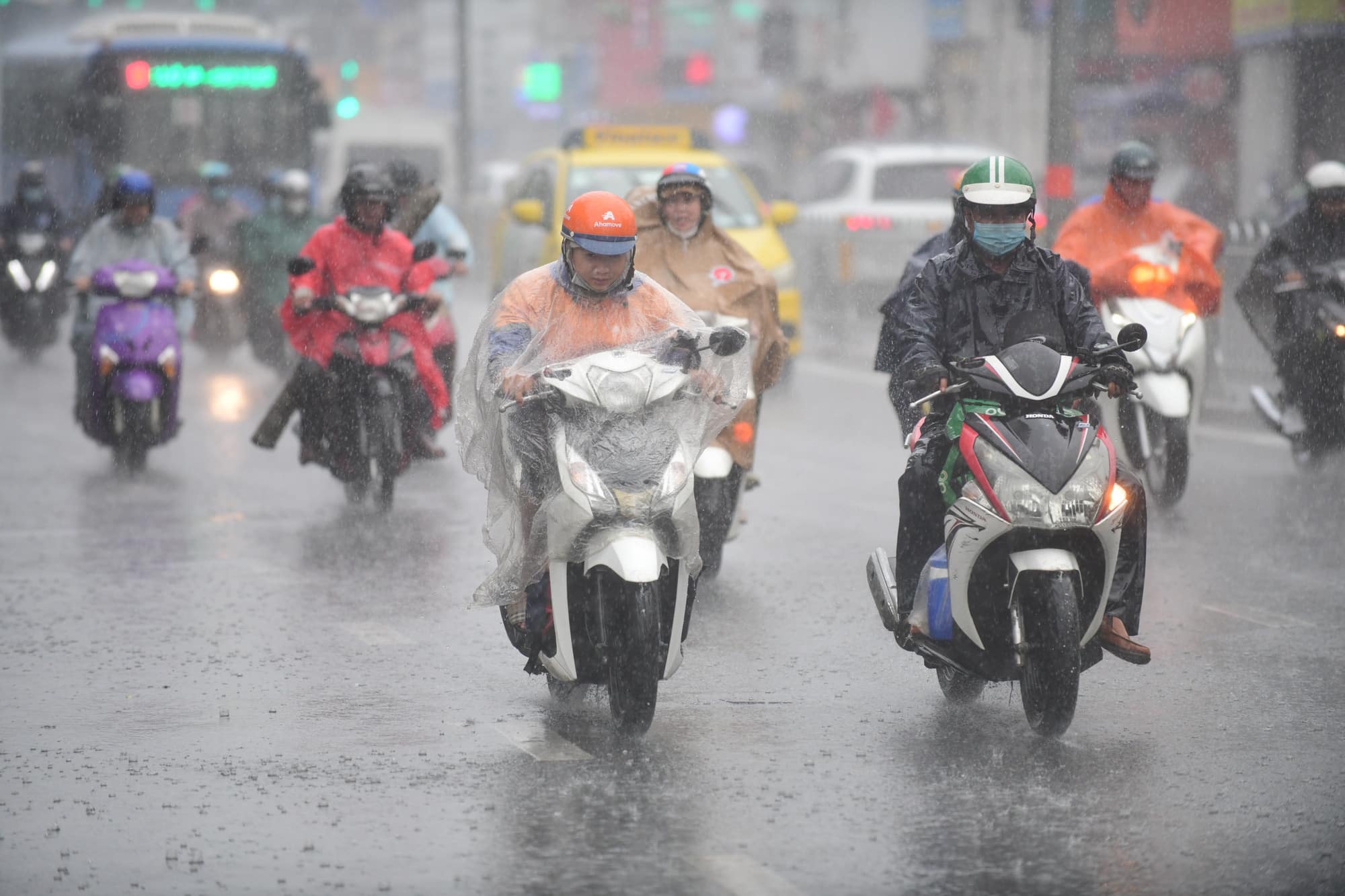
Hanoi is located at the very center of Northern Vietnam and is an excellent base for visitors wanting to explore the region. The weather system remains relatively consistent across the region, however, it can differ from destination to destination. The weather is a very important element to factor in when visiting such destinations as they often involve outdoor activities.
Below we will look at a few of the most popular destinations in North Vietnam and consider how the weather might affect a trip to each region.
Weather in Ha Long Bay
Ha Long Bay follows the same broad seasonal pattern as Hanoi, but its coastal location makes conditions feel slightly different. Spring and autumn are usually the most comfortable times to visit, with milder temperatures, lower humidity and generally better visibility across the bay.
Summer is hotter and wetter, with heavy rain and occasional storms possible, while winter can be cool, grey and misty. That mist can reduce long-distance views, but it can also give the limestone islands a very atmospheric look.
If you are travelling from Hanoi, allow some flexibility during the wetter months because poor weather can affect boat schedules and outdoor activities. Kayaking, hiking and sightseeing are generally more enjoyable when rainfall is lower and visibility is good.
Weather in Sapa
Sa Pa is much cooler than Hanoi because of its altitude, and the difference is especially noticeable in winter. From December to February, mornings can be cold and foggy, while low cloud can reduce visibility on the surrounding mountain roads.
Spring and autumn are usually the most comfortable times to visit, with milder temperatures and better conditions for hiking and motorcycle touring. Summer is warmer but also wetter, with heavy rain and sudden changes in visibility possible at higher elevations.
If you are riding from Hanoi to Sa Pa, pack warmer layers than you would normally use in the capital and be prepared for mist, wet roads and rapid temperature changes. The weather can change quickly in the mountains, so allow extra time and avoid pushing on if visibility becomes poor.
Weather in Ha Giang
Hà Giang follows the same broad seasonal pattern as Hanoi, but the higher mountains and exposed passes make the weather feel more extreme. Winter can be cold and foggy, summer can bring heavy rain and occasional landslides, while spring and autumn are usually the most comfortable seasons for riding.
For motorcycle travellers, visibility and road conditions matter just as much as temperature. Fog can reduce sight lines on mountain passes, while heavy rain may leave mud, gravel and damaged surfaces on smaller roads. October and November are especially popular for the Hà Giang Loop, while March and April are also very good choices.
If you plan to ride in Hà Giang, check the conditions before leaving and allow extra time when the weather changes. A clear day can be spectacular, but mountain weather can change much faster than it does in Hanoi.
Weather in Cao Bang
Cao Bằng is generally a little cooler than Hanoi, especially at night and in the more mountainous areas. Winter can be dry and crisp, while summer is warmer, greener and wetter, with heavy rain sometimes affecting smaller roads and remote mountain routes.
Spring and autumn are usually the most comfortable times to visit, with milder temperatures and better riding conditions. For motorcycle travellers, these seasons are especially good for exploring Bản Giốc, Trùng Khánh and the quieter roads of Northeast Vietnam.
If you are riding in summer, allow extra time after heavy rain and be cautious on smaller mountain roads where mud, gravel or minor landslides can appear. Conditions can vary a lot between Cao Bằng City and the higher border areas, so check the local forecast before setting out.
Planning to Ride From Hanoi?

Hanoi is the starting point for many of the best motorcycle trips in Northern Vietnam, and the weather can make a big difference to where you should ride. Cooler, drier months are ideal for routes into Hà Giang, Cao Bằng, Mai Châu and the northwest, while summer riding usually requires earlier starts, waterproof gear and more flexibility around storms and mountain road conditions.
Contact AZ Motorbikes to confirm motorcycle availability, pickup and return arrangements, included equipment and support for your intended rental.
- Rent a Motorcycle in Hanoi
- See Northern Vietnam Motorcycle Tours
- Plan a Motorcycle Route From Hanoi
FAQ
What is the best month to visit Hanoi?
October and November are usually among the best months to visit Hanoi because temperatures are comfortable and rainfall is lower. March and April are also good choices if you prefer warmer weather without the peak summer heat.
What is the rainy season in Hanoi?
Hanoi’s wetter period generally runs from May to September, with July and August often bringing the heaviest rain. Rain can be intense but is often concentrated into shorter storms rather than lasting all day.
Is Hanoi cold in winter?
Hanoi can feel surprisingly cool in winter, especially from December to February. Temperatures are much lower than in southern Vietnam, and damp air, drizzle and wind can make it feel colder than the thermometer suggests.
Is October a good time to visit Hanoi?
Yes. October is one of the better months for Hanoi, with cooler temperatures, lower humidity and generally more comfortable conditions for sightseeing and travelling into Northern Vietnam.
What should I pack for Hanoi weather?
Bring light clothing for warmer months, but always include a waterproof layer during the wetter season. From December to February, add a warm layer, especially if you plan to travel into the mountains.
Choosing the Best Time for Your Hanoi Trip
There is no single perfect month to visit Hanoi. October and November are usually excellent for cooler, drier weather, while March and April are also very comfortable. Summer is hotter, wetter and more humid, but it can still be a good time to travel if you are flexible around afternoon storms.
If Hanoi is the starting point for a motorcycle trip, the season matters even more once you leave the city and head into the mountains. Conditions in Hà Giang, Cao Bằng, Sa Pa and the northwest can be very different from Hanoi, so it is worth checking the wider weather pattern before choosing your route.
If you are planning to ride, you can rent a motorcycle in Hanoi, explore our Northern Vietnam motorcycle tours, or use our route guides to build your own trip. A little weather planning before you leave can make the difference between simply completing a route and really enjoying it.