Live + Work
The Nom Season Survival Guide: Riding Vietnam’s Wettest Month
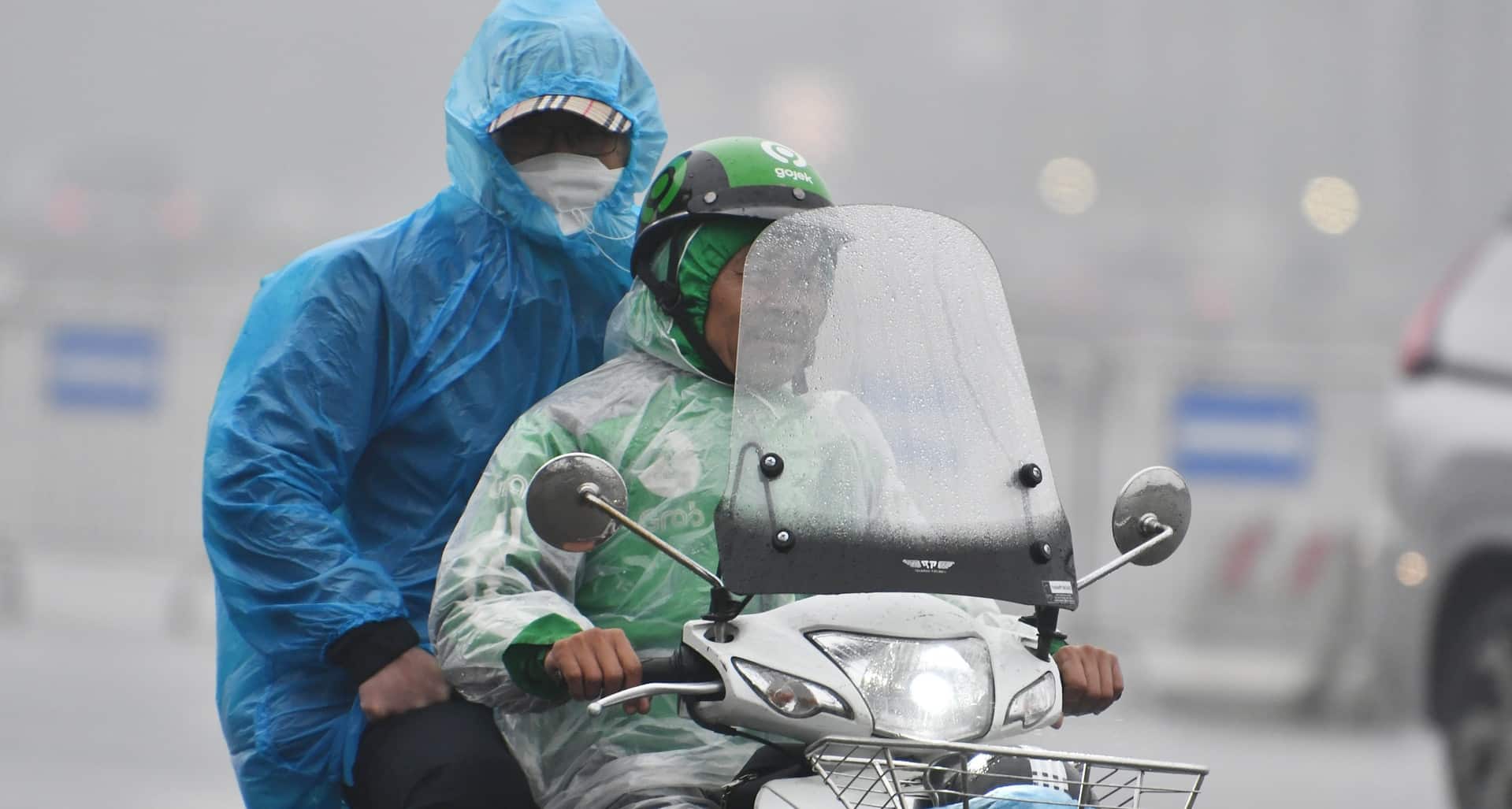
Riding in the rain is easy. You put on a raincoat, you slow down, you arrive wet.
Riding in “Nom” weather is a different beast entirely.
Every year between February and April, Northern Vietnam experiences a unique meteorological phenomenon. The humidity rises to near 100%, but it often doesn’t “rain” in the traditional sense. Instead, the moisture in the air condenses on every cold surface it touches.
Walls sweat. Windows drip. And most dangerously for us: the roads become permanently greasy.
If you are booking a trip for the weeks after Tet, you need to prepare for the damp. Here is your survival guide to the wettest months of the year. This guide covers the specific “Nom” phenomenon. For a full calendar of riding seasons across the country, check out The Motorcyclist’s Guide to Vietnam’s Weather.
To see the bigger picture, note that this post is part of our Vietnam Motorcycle Legal Vault, where you can access our full library of legal advice and rider requirements.
What exactly is “Trời Nồm”?
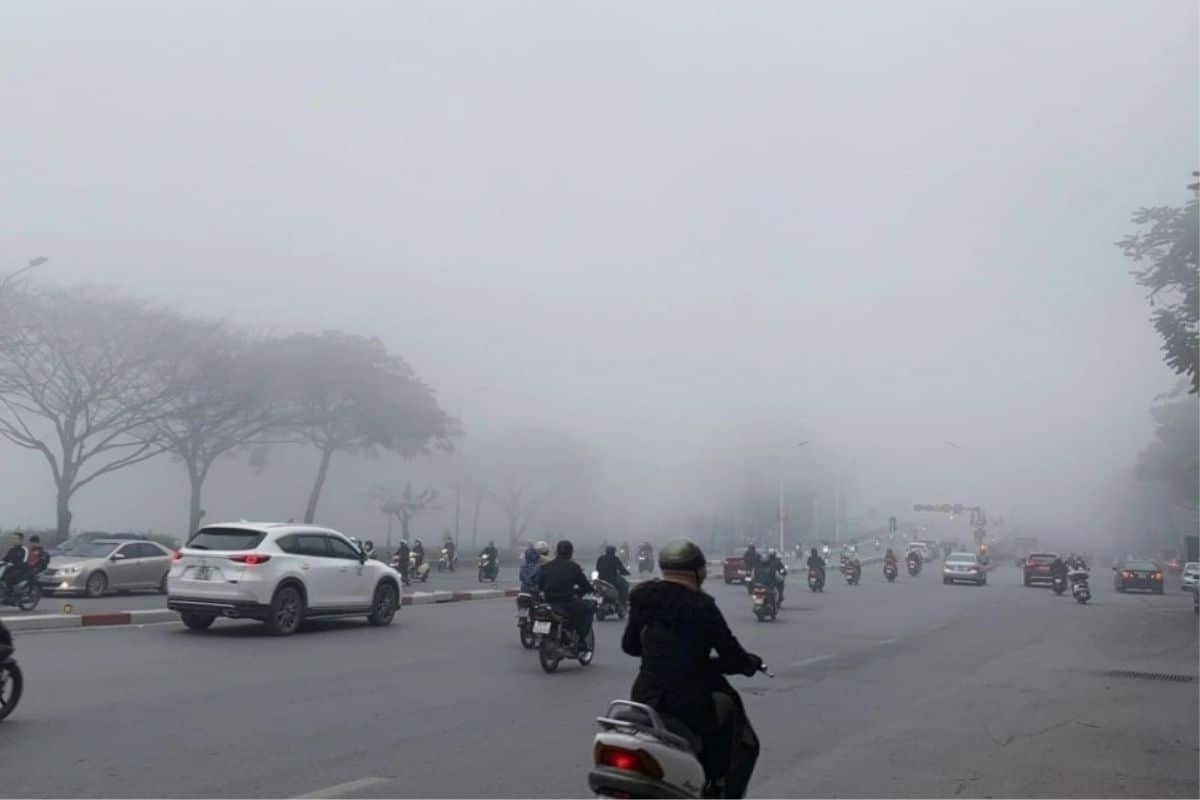
“Trời Nồm” (Nom Sky) occurs when weak cold air from China clashes with warm, moist air from the Southeast Sea. The result is saturation.
The air holds more water than it can handle, so it dumps it on everything.
- The Look: The sky is a permanent grey-white sheet. There is no sun, but also no distinct storm clouds. Just a heavy mist.
- The Feel: Sticky. Your clothes feel damp the moment you put them on.
- The Range: This affects everything North of the Hai Van Pass, but is most intense in Hanoi, Ninh Binh, and Halong Bay.
The Road Hazard: The “Invisible Grease”
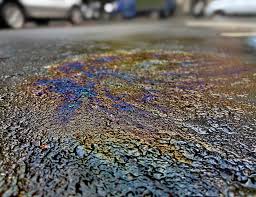
This is the biggest danger for motorcyclists. When it rains heavily, the water washes dirt and oil off the road. But during Nom, the mist is too light to wash the road clean.
Instead, the moisture mixes with the dust, oil, and exhaust fumes on the tarmac to create a thin, slime-like layer.
- The Black Ice Effect: The road looks damp, but it rides like ice. Cornering grip is significantly reduced.
- Metal & Paint: Manhole covers and painted road markings become death traps. Avoid braking on white lines at all costs.
- Concrete vs. Asphalt: Concrete village roads will “sweat” more than asphalt highways. Be extremely careful when turning into homestays or small alleyways.
The Visibility Trap: Foggy Visors
During Nom, the air outside your helmet is 100% humid and cold. The air inside your helmet is hot and moist from your breath.
The result? Instant blindness.
- Standard Visors: A normal plastic visor will fog up within 30 seconds of closing it.
- The Mistake: Riders open their visors to see, but then get blasted by cold mist and road grit, leading to eye infections.
- The Solution: You must use a Pin-Lock Anti-Fog Insert. This is a double-glazing layer for your helmet that stops condensation.
The Gear Rot: Fighting the Mold
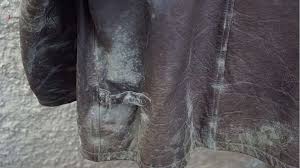
Because the air is saturated, nothing dries. If you get your gloves wet on Day 1, they will likely still be wet on Day 5.
- The Smell: Cotton t-shirts and socks will start to smell musty after 24 hours in a saddlebag.
- Leather Warning: Do not bring expensive leather jackets. They will grow green mold in the creases. Stick to textiles (Gore-Tex or Polyester).
- The Plastic Strategy: Since “breathable” fabrics stop working in 100% humidity, your best friend is the humble plastic bag.
Pack all your clean clothes inside Ziploc bags inside your backpack. This is the only way to keep them crisp.
Where to Ride? Escaping the Cloud
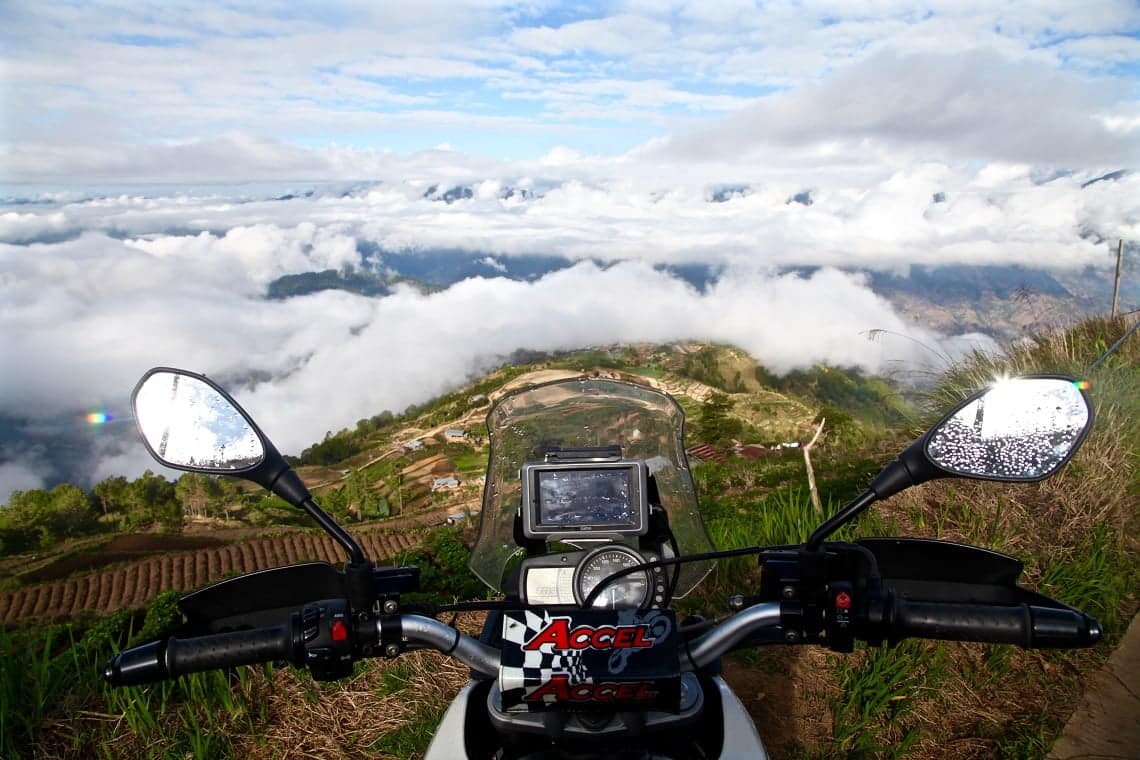
Can you ride away from the Nom? Yes, but you need to go high or go South.
- The High Ground: Ironically, places like Sapa or Fansipan can sometimes be above the cloud layer. You might ride through thick fog for an hour and pop out into brilliant sunshine at 2,000 meters.
- The Southern Escape: The Nom weather usually stops at the Hai Van Pass. If you hate the damp, consider a one-way rental. Ride from Hanoi to Da Nang, and the moment you cross the pass, you will likely hit dry, warm air.
Planning a route to escape the weather? See our One-Way Rentals.
FAQ
Does “Nom” weather happen every year?
Yes, it is a certainty. Like the sun rises in the East and sets in the West.
It usually starts immediately after Tet (February) and lasts until mid-April. The intensity varies, but the dampness is guaranteed.
Is it safe to ride the Ha Giang Loop in Nom season?
Yes, but you need to be careful. The limestone cliffs often stay shrouded in mist, so you might miss some of the panoramic views. However, the “moody” atmosphere makes for incredible, cinematic photos. Just drive slower on the curves.
Will my electronics break?
Cameras and laptops hate Nom weather. Lens fungus can grow inside camera lenses. Keep your electronics in a sealed dry bag with a few packets of Silica Gel (desiccant) to absorb the moisture.
Use aircon or or haridryer to try and dry them out as well. Connections can get mouldy and stop working, so take care.
What is the best jacket for this weather?
A fully waterproof hard-shell jacket is best. Soft-shell or fleece will soak up the water from the air like a sponge and become heavy.
How do I dry my clothes if the air is wet?
Most hotels in the North know this struggle. Ask for a hair dryer (or bring a travel one). You will likely need to blast your socks and gloves with hot air every morning before putting them on.
If you are in premium accommodation you may have a 2 way aircon that will heat as well as cool. Even turning the aircon on to say 25C, it will dry out the air in the room and help to dry your clothes.
Don’t let the damp dampen your spirit.
The Nom season gives the Vietnamese mountains a mystical, ancient look that you don’t get in the summer.
Just make sure you have the right gear. Book a bike today.