
Safety + Legality
Comprehensive Guide to Motorbike Insurance in Vietnam
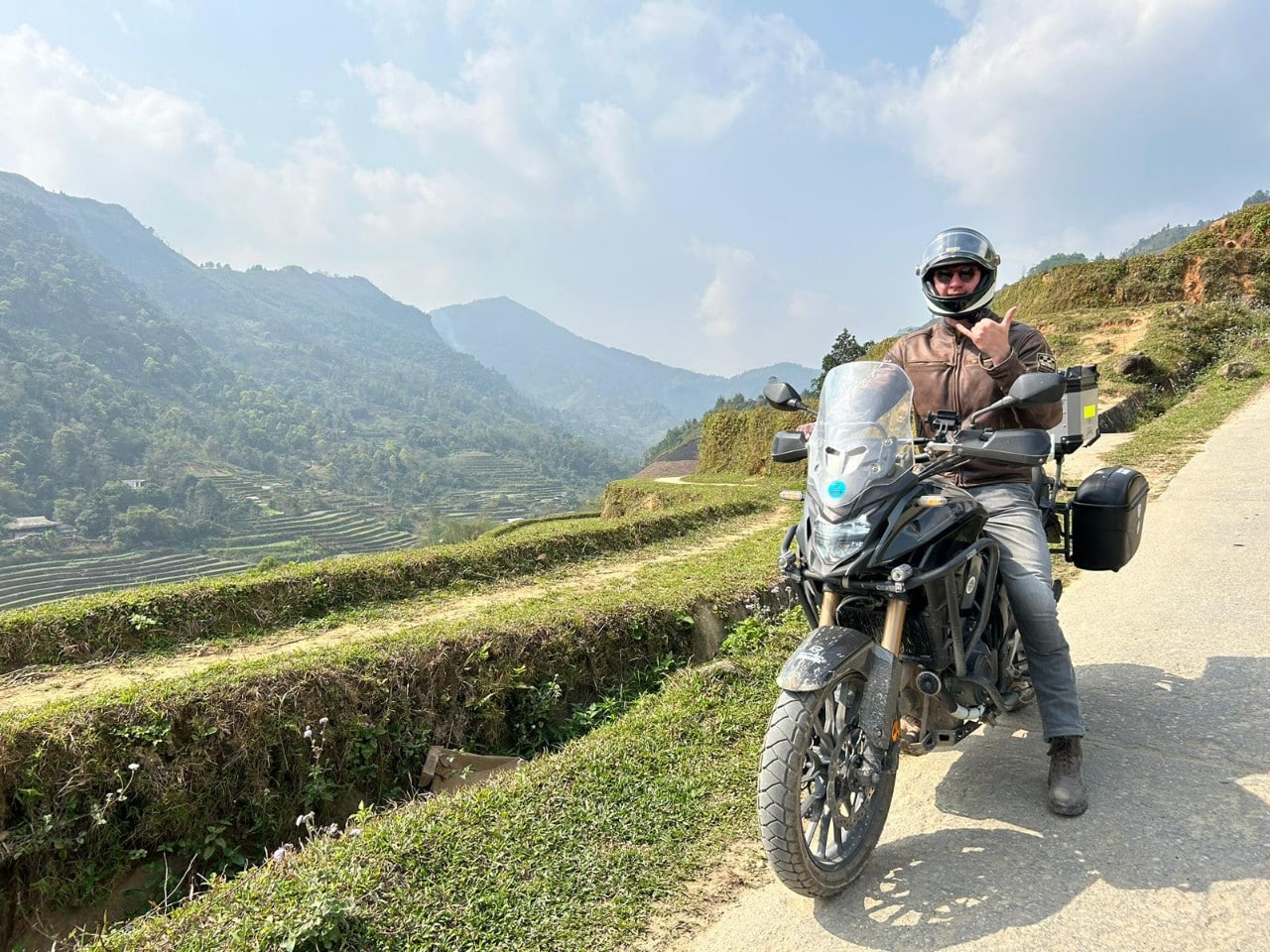
Ask AZ Motorbikes to confirm the applicable rental terms, damage responsibilities, repair procedure and any available protection options before you book.
Compulsory third-party liability insurance (CTPL), travel or medical insurance, rental-bike damage protection and theft cover are separate issues. This guide explains how each one works and where to find more detailed information.
For licences, IDPs, police, fines and the wider legal picture, see our Vietnam Motorcycle Legal Vault.
1. The Legal Minimum: Compulsory Third-Party Liability (CTPL)
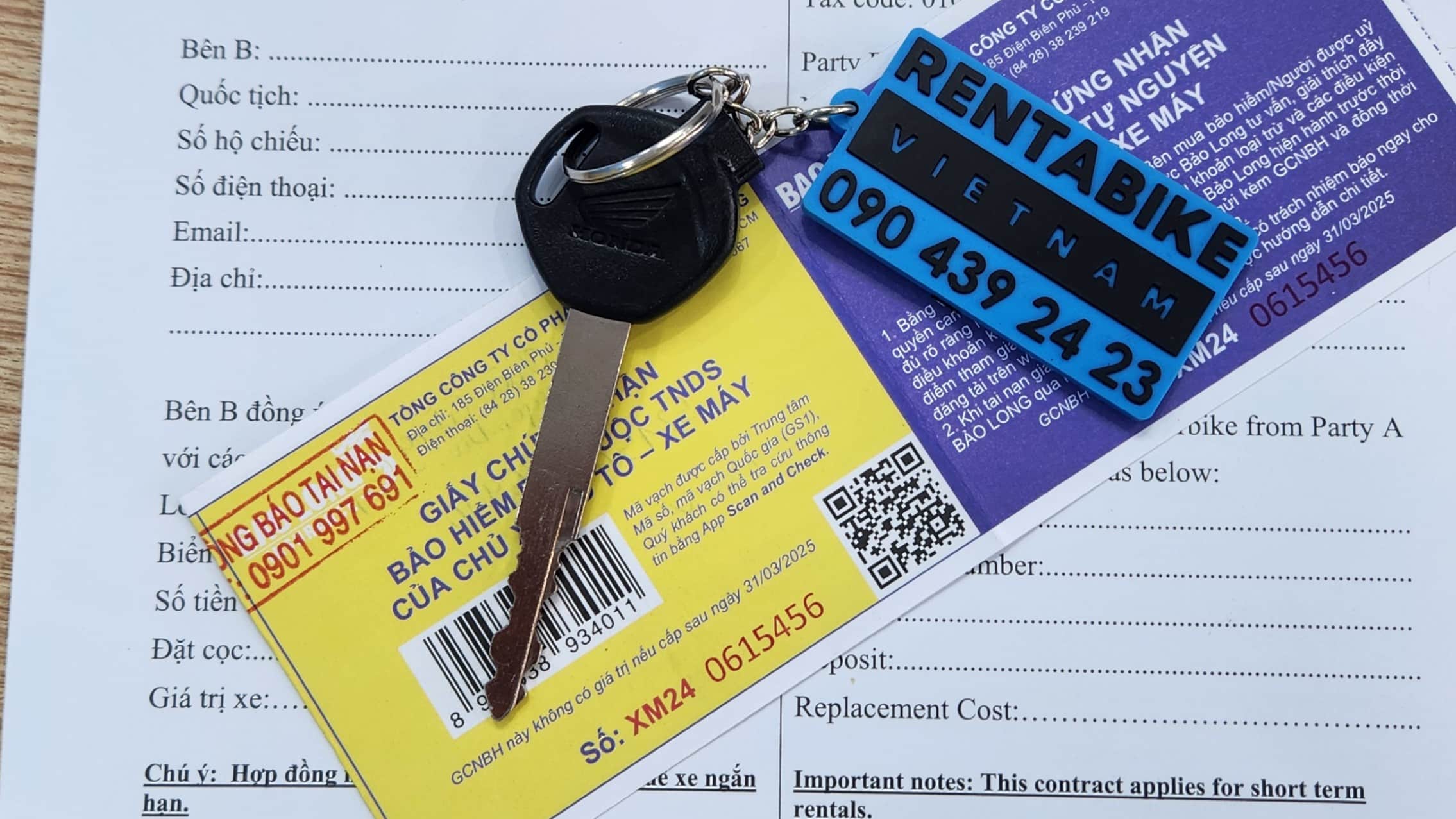
Every motorbike used on public roads in Vietnam must have compulsory civil liability insurance, usually referred to as CTPL. This cover is attached to the motorcycle rather than the individual rider.
For most motorcycles, the annual premium is only 60,000 VND before VAT, with a lower rate for motorcycles under 50cc.
CTPL can provide:
- Bodily injury or death: Up to 150 million VND per person, per accident.
- Third-party property damage: Up to 50 million VND per accident.
- Passenger cover: Bodily injury or death suffered by a passenger on the insured motorcycle may also be covered, subject to the policy terms, limits and exclusions.
CTPL does not normally cover your own medical expenses, damage to the motorcycle you are riding, or theft of the bike.
For the full explanation of costs, cover, exclusions and what renters should check, see our Vietnam Compulsory Motorbike Insurance (CTPL) Guide.
1. The Legal Minimum: Compulsory Third-Party Liability (CTPL)
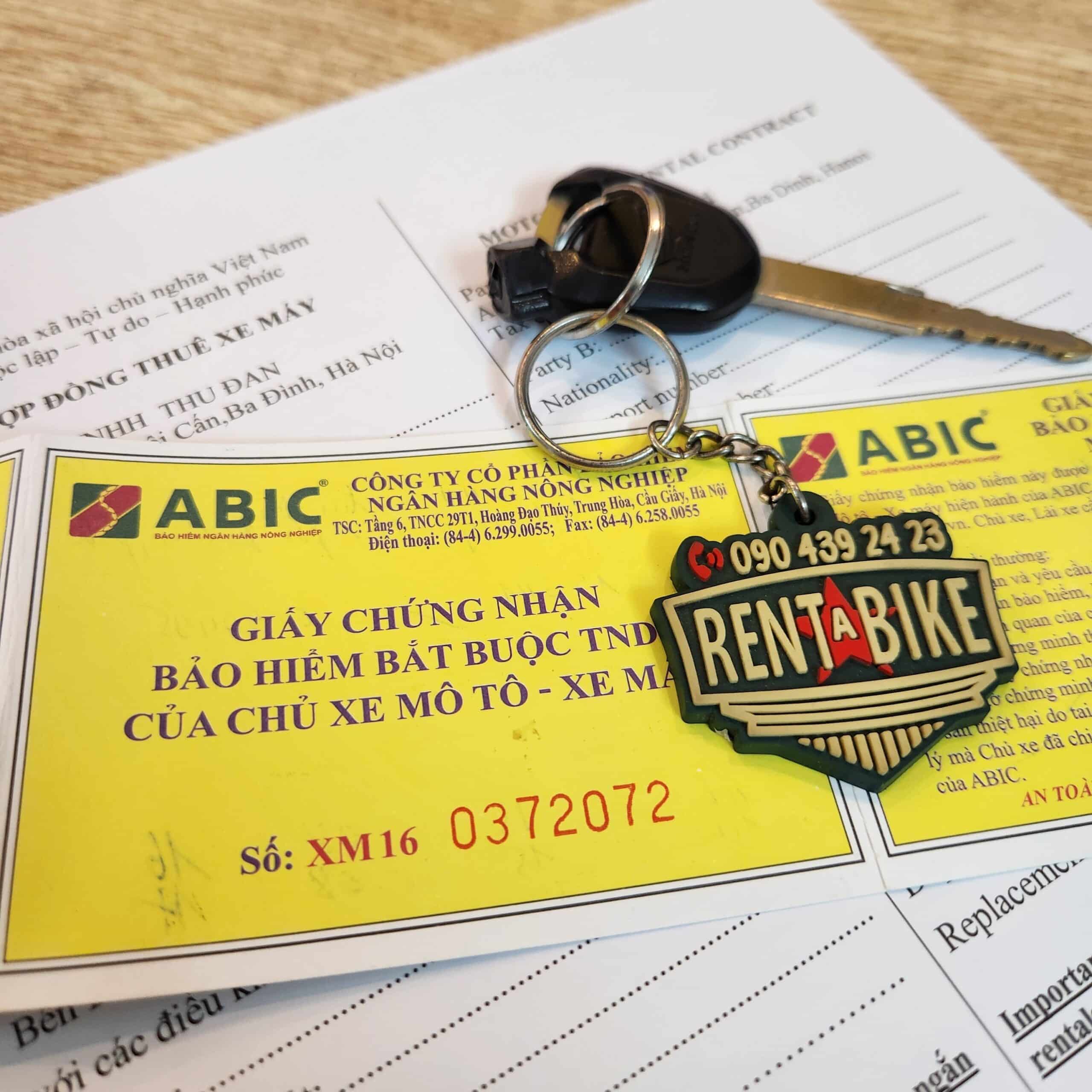
Every motorbike used on public roads in Vietnam must have compulsory civil liability insurance, usually referred to as CTPL. This cover is attached to the motorcycle rather than the individual rider.
For most motorcycles, the annual premium is only 60,000 VND before VAT, with a lower rate for motorcycles under 50cc.
CTPL can provide:
- Bodily injury or death: Up to 150 million VND per person, per accident.
- Third-party property damage: Up to 50 million VND per accident.
- Passenger cover: Bodily injury or death suffered by a passenger on the insured motorcycle may also be covered, subject to the policy terms, limits and exclusions.
CTPL does not normally cover your own medical expenses, damage to the motorcycle you are riding, or theft of the bike.
For the full explanation of costs, cover, exclusions and what renters should check, see our Vietnam Compulsory Motorbike Insurance (CTPL) Guide.
2. Travel & Medical Insurance: The IDP Catch-22
This is where the vast majority of travelers get caught out. Most premium travel insurance providers (like World Nomads or Allianz) offer coverage for motorcycle touring, but there is a massive legal catch in the fine print: You must be riding legally in the country you are visiting.
- The 1968 Vienna Convention: Vietnam only recognizes International Driving Permits (IDPs) issued under the 1968 convention. If you hold a 1949 IDP (like those from the US, Singapore or Australia), you are technically riding illegally.
- The Consequence: If you crash without the correct IDP and your home country motorcycle endorsement, your travel medical insurance can entirely void your claim, leaving you to pay out-of-pocket for expensive hospital bills or medical evacuation.
Travel insurance can be just as important as local motorbike cover, especially if you need medical treatment after a crash. Our Travel & Medical Insurance Guide explains what to check before you ride in Vietnam.
3. Bike Damage and Theft: Does “Full Comp” Exist?
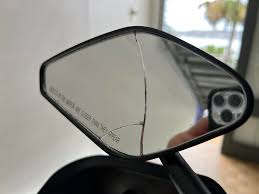
In Western countries, you buy comprehensive insurance, and if you crash the bike, the insurance company buys you a new one. In Vietnam, it doesn’t quite work that way for short-term renters.
While comprehensive policies (like Liberty MotoCare) do exist, they are generally designed for the registered owner of the vehicle.
- The Rental Reality: Dedicated damage insurance isn’t a standard product for tourists.
- The Solution: Reputable rental firms offer a Damage Waiver. This is an agreement where, for an upfront fee, the rental company absorbs the cost of accidental damage to the bike, saving you from a nasty repair bill at the end of your trip. It may not cover as much as insurance, but it is NOT insurance and is better than nothing.
Read the Full Guide: The Myth of Comprehensive Bike Insurance and How Damage Waivers Work
4. Crash Protocol: What to Do in an Accident
Even the best riders can get caught out by wandering water buffalo, slippery mud, or unpredictable traffic. Knowing how to handle an accident on the ground is just as important as having the right paperwork.
- On-the-Spot Settlements: Minor fender-benders are almost always settled immediately with cash between the two parties, rather than waiting for police and insurance adjusters.
- When to Call the Police: Understanding when to involve the authorities (and when to rely on your tour operator or rental company for translation and mediation).
- Hospital Steps: How to document your injuries and secure the necessary police reports to file a successful claim with your travel medical insurer back home.
Read the Full Guide: Crash Protocol: What to Do in a Motorbike Accident in Vietnam
5. Riding Pillion vs. Self-Riding
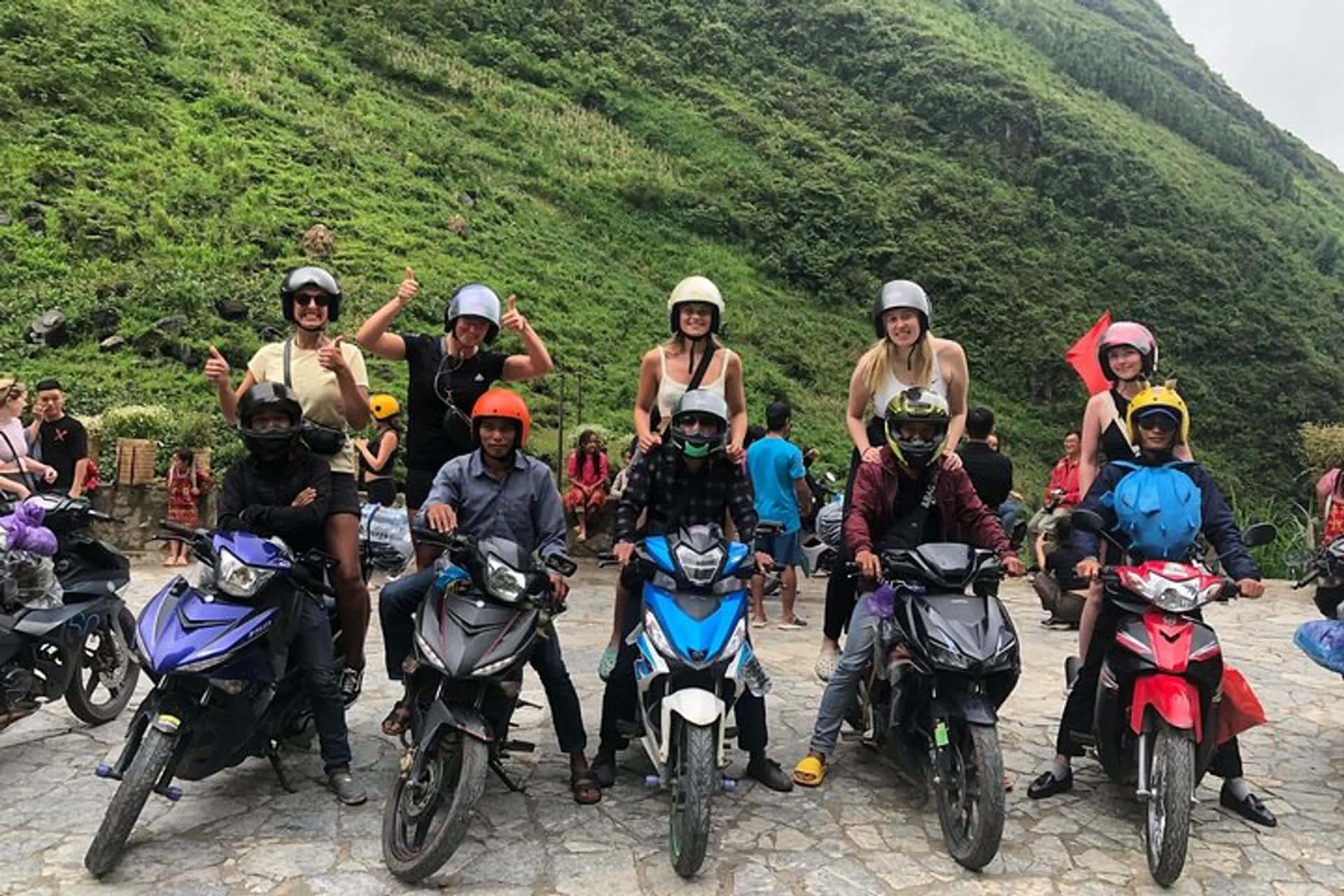
If the licensing and insurance hurdles seem too high, there is a completely legal, fully insurable alternative that allows you to experience the best routes without the liability stress.
- The Pillion Loophole: Most travel insurance policies will automatically cover you for medical expenses if you are riding as a passenger (pillion) behind a licensed rider, without requiring you to hold an IDP.
- Guided Tours: We explore how comprehensive tour packages bundle your liability and logistics, allowing you to focus purely on the scenery.
Read the Full Guide: Why Riding Pillion Might Be Your Best Insurance Strategy
6. Motorbike Security: Who Pays if It’s Stolen?
Vietnam is a remarkably safe country for travelers, but opportunistic motorbike theft is a reality you must prepare for. If a rental motorcycle is stolen while in your possession, the hard truth is that you are legally and financially responsible for paying the rental company the full replacement value of the bike.
A common, and costly, misconception is that standard rental damage waivers will bail you out, they won’t. Those waivers strictly cover accidental crash damage, never theft or total loss. Keeping the bike secure overnight is entirely your responsibility. Before you park on the street, read our full guide: What to do if your rental is stolen in Vietnam.
7. Driving Legally: The Limits of Your 1968 IDP
For many new arrivals, a 1968 International Driving Permit (IDP) feels like a golden ticket to hitting the roads. However, it’s vital to understand that a 1968 IDP is strictly designed for temporary visitors on a tourist visa. If you transition to resident status, such as acquiring a Temporary Residence Card (TRC) or simply living in Vietnam for more than three months, your IDP automatically loses its legal validity.
Continuing to drive on an expired IDP not only breaks local laws but completely voids your health and vehicle insurance. If you plan on staying long-term, read our complete guide on exactly when your IDP expires and why you must convert to a Vietnamese driver’s license.
2. Travel & Medical Insurance
CTPL does not replace personal travel or medical insurance. If you are injured while riding, your own policy is usually the cover that matters for hospital treatment, surgery, medical evacuation and other personal medical costs.
The important catch is that motorcycle cover varies significantly between insurers and policies. Many policies require you to be riding legally, to hold the correct motorcycle licence, and to comply with local licensing rules. Some also impose limits based on engine size, rider experience or the type of motorcycle being used.
For Vietnam, that means you should check both your legal right to ride and the wording of your insurance policy before assuming you are covered. A valid CTPL certificate on the motorcycle does not automatically mean your own medical expenses are insured.
If you are relying on an International Driving Permit, make sure it is one recognised in Vietnam and that it reflects the motorcycle entitlement on your home licence.
For the detailed explanation of licences, IDPs and common travel-insurance problems, see our Travel & Medical Insurance: The IDP Catch-22 in Vietnam.
3. Rental Bike Damage Cover
CTPL does not cover damage to the motorcycle you are riding. If you damage a rental bike, your financial responsibility is normally governed by the rental agreement and any separate damage waiver offered by the rental company.
A damage waiver is not insurance. It is a contractual agreement that limits or reduces what you may have to pay for certain accidental damage to the rented motorcycle. The exact protection, exclusions and maximum liability depend on the rental company and the terms you agree to.
Before renting, check what types of accidental damage are covered, what is excluded, and the maximum amount you could still be required to pay.
Ask AZ Motorbikes to confirm the applicable rental terms, damage responsibilities, repair procedure and any available protection options before you book.
For the full explanation, including why traditional “fully comprehensive” rental-bike insurance is difficult to obtain in Vietnam, see our Bike Damage and Theft: The “Full Comp” Myth.
4. Theft Cover
CTPL does not cover theft of the motorcycle you are riding, and travel insurance does not necessarily cover the full value of a rented motorbike either.
If a rental motorcycle is stolen, your financial responsibility will usually depend on the rental agreement and any separate theft protection provided by the rental company. In many cases, renters can be responsible for a substantial part, or all, of the motorcycle’s replacement value.
Before renting, check what the agreement says about theft, what security requirements apply, and what you could be required to pay if the bike disappears.
If the bike is stolen, contact the rental company and the police as soon as possible and keep all documentation connected with the incident.
For the full step-by-step process, see our What to Do if Your Rental is Stolen in Vietnam.
5. What to Do After a Crash
If you are involved in a motorcycle accident in Vietnam, deal with immediate safety and medical needs first. Move out of danger if possible, help anyone who is injured, and contact the emergency services when necessary.
If insurance may be involved, start collecting evidence as soon as it is safe to do so. Take photographs of the vehicles, damage, road conditions and relevant documents, and keep any police reports, medical records and receipts.
Contact the rental company promptly. They can help with the motorcycle, paperwork and the practical steps that may be needed after the accident.
Different types of cover may become relevant depending on what happened: CTPL for certain third-party liabilities, your own travel or medical insurance for personal treatment, and the rental agreement or damage waiver for damage to the motorcycle itself.
For the full step-by-step procedure, see our Motorbike Crash Protocol for Vietnam.
FAQ
Will my travel credit card cover damage to a rental motorbike in Vietnam?
Do not assume that it will. Many credit-card rental vehicle benefits are designed for cars and specifically exclude motorcycles, scooters or other two-wheeled vehicles.
Check the exact terms of your card before relying on it. Look for exclusions relating to motorcycles, engine size, vehicle type, overseas rentals and riding without the correct licence.
If motorcycle damage is excluded, any protection will need to come from the rental agreement, a separate damage waiver or another policy that specifically covers the bike.
Is a digital IDP or a photo of my permit enough?
Do not rely on a phone photo, PDF or unofficial digital IDP as your only proof of entitlement to ride in Vietnam.
If you are using a 1968 International Driving Permit, carry the original permit together with your original home-country driving licence. Digital copies can be useful as backups, but they should not replace the documents you are legally required to present.
Be particularly cautious with websites selling “digital IDPs.” An IDP must be issued through the proper authority in the country connected to your driving licence; an online translation or privately issued document is not automatically a valid International Driving Permit.
Can my insurance reject a claim if I was not wearing a helmet?
Possibly. Wearing a helmet is legally required in Vietnam, and some travel or medical insurance policies can reduce or refuse cover if you were breaking local law or ignoring a specific policy condition when the accident happened.
However, the outcome depends on the wording of your policy and the circumstances of the crash. Do not assume that every insurer will treat every helmet-related claim in exactly the same way.
The safest approach is obvious and simple: wear a proper motorcycle helmet and check your policy for any conditions relating to helmets, protective equipment and illegal riding.
What happens if I hit a cow, buffalo, pig or other livestock?
Livestock on rural roads is common in Vietnam, and collisions can create both safety and compensation issues.
If you damage or kill an animal, responsibility will depend on how the accident happened and who was at fault. The animal may be treated as property for compensation purposes, and a serious dispute may involve the police, the animal’s owner and potentially the insurer.
For a minor incident, the parties may agree on compensation directly. However, do not assume that you are automatically responsible for the full value of the animal simply because you hit it.
If the accident causes injury, significant damage or disagreement over responsibility, follow the same evidence and reporting steps you would use for any other road accident.
If I ride pillion behind someone who is not legally licensed, am I still insured?
Possibly, but do not assume that passenger cover is automatic.
Travel-insurance policies often distinguish between riding as a passenger and riding the motorcycle yourself, but many also require the driver to be properly licensed and riding legally. If the person carrying you is not legally entitled to ride, that may affect a claim.
Check the wording of your own policy before travelling. If you are joining a guided tour, ask who will be riding the motorcycle, what licence they hold, and what insurance arrangements apply.
The Bottom Line on Motorbike Insurance in Vietnam
No single policy covers every risk of riding a motorcycle in Vietnam. CTPL, personal medical or travel insurance, rental-bike damage protection and theft cover all deal with different problems.
Before you ride, check what the motorcycle is insured for, what your own policy covers, and what financial responsibility you could still have if the bike is damaged or stolen.
For licensing, IDPs, police, fines and the wider legal picture, return to our Vietnam Motorcycle Legal Vault.