
Culture
Tipping Culture in Vietnam: A Guide
Check the named organisation or resource directly for its current services and terms.
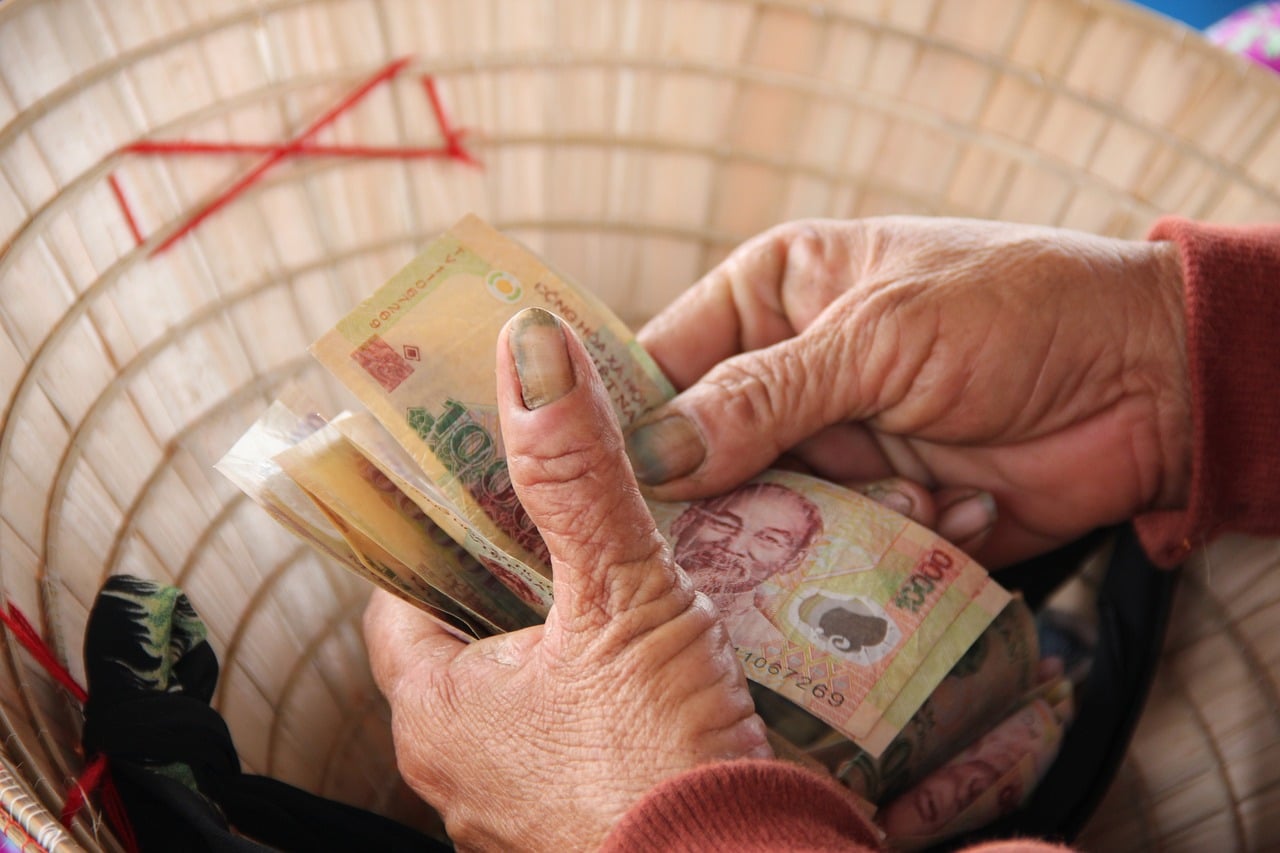
While these wages are often modest, the cultural expectation has always been that the price on the menu is the price you pay. However, the surge in international tourism over the last two decades (particularly in hubs like Hanoi, Ho Chi Minh City, and Da Nang) has introduced a emerging tipping culture. Today, it stands at a crossroads: it is a gesture of kindness, not an obligation.
The Golden Rules of Tipping
1. The “Two-Hand” Rule
Vietnam is a culture of respect. When you do choose to tip, the way you give it matters as much as the amount. It can bee seen as ‘extra polite’ to hand over cash with your right hand supported by your left at the elbow. This is not the sign of ‘high respect’ that using two hands is, but it shows politeness.
2. Discretion is Key
Tipping is not a performance. Avoid “making it rain” or flashing large bills in public. In a restaurant, leave the change in the bill folder. In a spa, hand the note directly to your therapist in a quiet moment.
3. Currency Matters: Stick to VND
While US Dollars are sometimes accepted in high-end hotels, they are a headache for the average worker to exchange. Try to tip in Vietnamese Dong (VND). It allows the recipient to use the money immediately and avoids the “tourist tax” of poor exchange rates at local banks.
A Sector-by-Sector Deep Dive
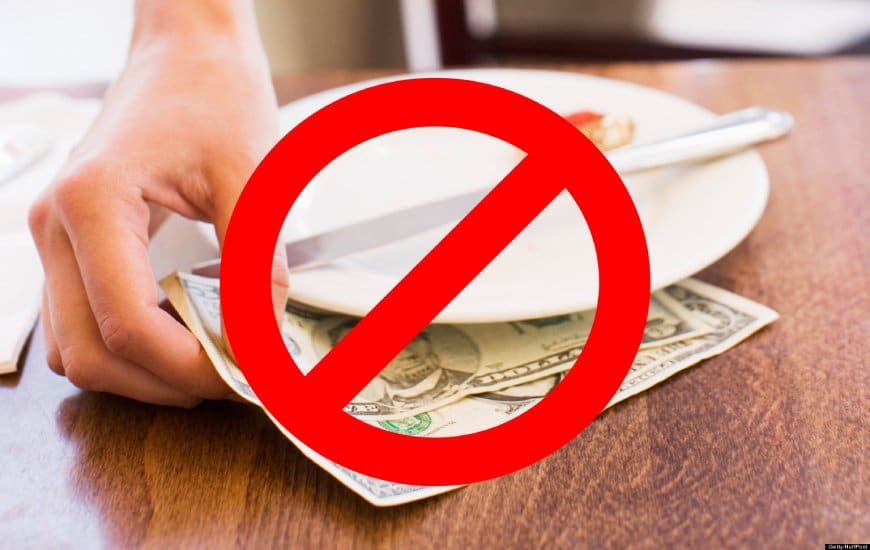
Navigating the nuances of different service industries can feel like a maze. Here is the breakdown of what is expected, what is generous, and what is unnecessary.
Dining: From Street Food to Fine Dining
The rules of the table are strictly dictated by the setting:
- Street Food & Local Quán: At a Bánh Mì stall or a plastic-stool Phở joint, tipping is virtually unheard of. If you try to leave 20,000 VND on the table, the owner might actually chase you down the street thinking you forgot your change.
- Mid-Range Cafes & Restaurants: Here, rounding up to the nearest 10,000 or 20,000 VND is a common way to say thanks. If your bill is 185,000 VND, leaving 200,000 VND is a polite gesture.
- Upscale & Hotel Dining: Always check your bill for a Service Charge (SC), usually 5% or 10%. If it’s there, no further tip is needed. If you received truly world-class service, an additional 100,000–200,000 VND handed directly to your server is a wonderful bonus.
Transportation: The Grab Revolution
Nowadays, ride-hailing apps like Grab and Be dominate the streets.
- Taxis & Grab: Drivers do not expect tips. However, “rounding up” is the standard etiquette. If the fare is 44,000 VND, giving 50,000 VND and saying “Cảm ơn” is the local way.
Private Drivers (Full Day): This is one of the few areas where a tip is more “expected.” A driver who navigates chaotic traffic and keeps the AC at a perfect 22°C deserves 200,000 –500,000 VND at the end of a full day.
Accommodation: The Hidden Heroes
The people who make your stay seamless are often the ones we forget to thank.
- Bellhops: 20-50,000 VND per bag (depending on how many bags) is the standard in 4- and 5-star hotels.
- Housekeeping: This is perhaps the most appreciated tip in Vietnam. Leaving 100,000–200,000 VND on the pillow with a small “Thank You” note (or Cảm ơn) makes a significant difference to staff who often work behind the scenes.
- Concierge: Only tip if they’ve gone above and beyond—like scoring you a reservation at a “fully booked” restaurant. 100,000 VND is a welcome “thank you.”
Tours: The Personality Premium
Tour guides are the ambassadors of Vietnamese culture. Because their work is so personalized, the tipping range is much broader.
- Group Tours: 50,000–100,000 VND per person.
- Private Guides: 150,000–300,000 VND per day, depending on their knowledge and English proficiency.
The “Service Charge” Mystery: 10 + 8 + 5?
When you receive your bill at a high-end establishment, it might look like a math problem. You will often see:
- VAT (Value Added Tax): Usually 8% or 10%. This is a government tax, not a tip.
- Service Charge (SC): Usually 5%.
Important Note: As everyewhere, the “Service Charge” does not always go directly into the pocket of the person who served you. Often, it is pooled to cover breakages, staff uniforms, or distributed as a monthly bonus. If your waiter was a superstar, a small cash tip given directly to them ensures they actually receive the reward.
Expat Rentals
Live here? Ride like you own it. Our long-term expat rentals are made for those working or living in Vietnam.
✅ Cost-effective monthly rates
✅ Flexible contracts, full maintenance support
✅ Ride like a local: Hanoi, Danang, or Ho Chi Minh City
Common Pitfalls: The “American Problem”
One of the biggest mistakes travelers make is over-tipping. In a country where a bowl of noodles costs 40,000 VND, leaving a 500,000 VND tip is not just generous, it’s disruptive. It can create unrealistic expectations and even lead to “tip-seeking” behavior that ruins the authentic hospitality Vietnam is known for.
When NOT to Tip
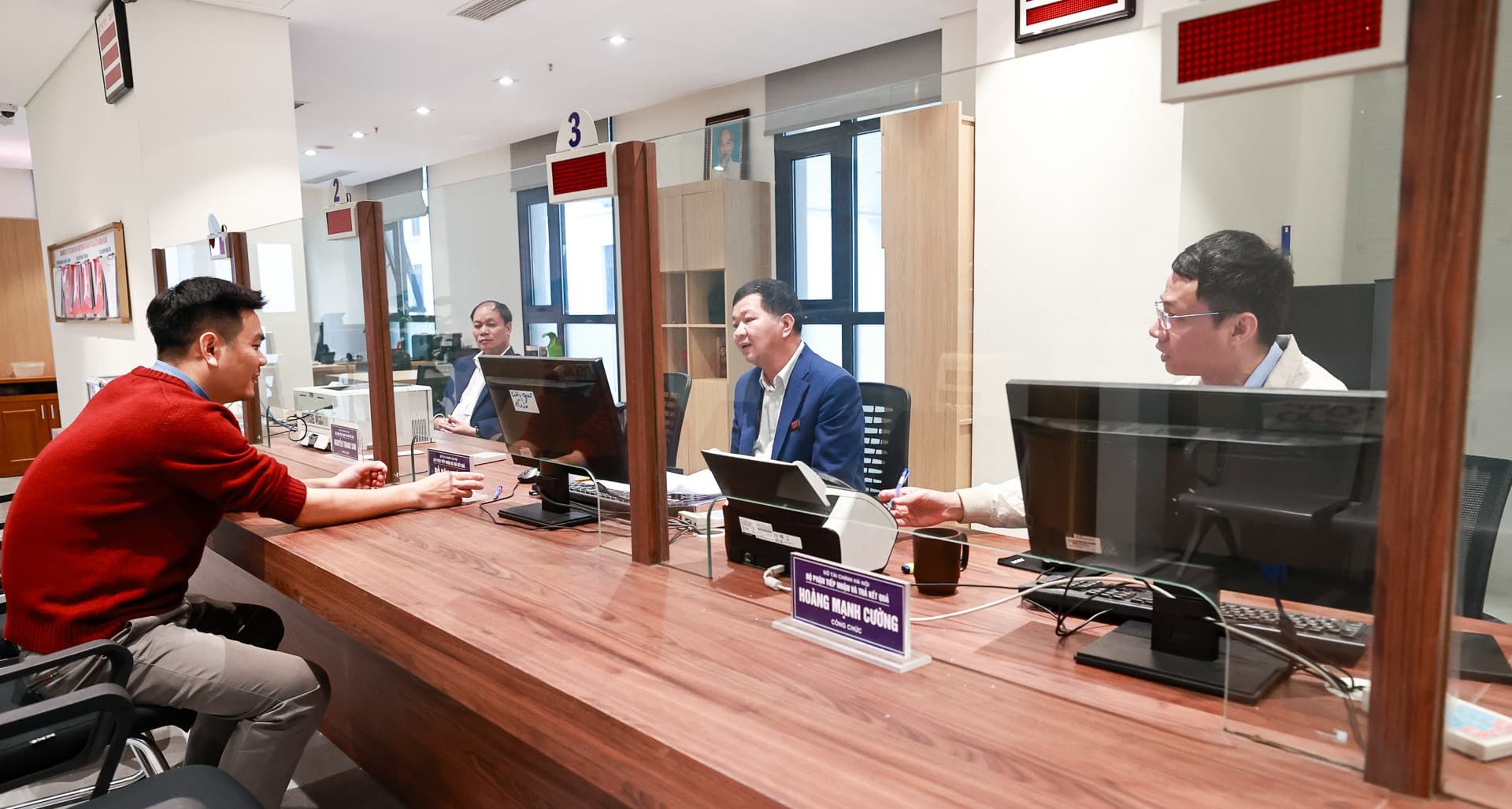
There are times when reaching for your wallet might be awkward or inappropriate:
- Government Employees: Never tip at immigration, police stations, or public offices. This can be misconstrued as a bribe.
- Rural Villages: In remote areas of the North (like Ha Giang or Sapa), traditional hospitality is often a point of pride. A small gift (like fruit or stationery / a fun toy for kids) is often better received than cash.
- Bad Service: This sounds obvious, but because many tourists feel “guilty” about the wealth gap, they tip even for poor service. Don’t. Tipping should remain a reward for effort; rewarding poor service only lowers the bar for everyone.
FAQ
I’m paying by credit card. Can I add a tip to the machine?
Unlike in many Western countries, the credit card machines in Vietnam rarely have a “tip” prompt. Even if a restaurant allows you to add a manual amount to the total, there is no guarantee that the digital tip will reach your specific server. To ensure the right person receives the gesture, it is always better to pay the bill by card and hand a small cash note directly to the individual.
Should we tip our motorcycle tour guide?
Motorcycle guides often perform multiple roles: mechanic, translator, navigator and more, while ensuring your safety on technical roads. While not a strict requirement, a tip of 200,000 to 400,000 VND per day is a standard way to recognize their expertise and the physical nature of the work. If you are on a multi-day expedition, it is common to present the total tip in an envelope at the end of the final day. It is a gesture of appreciation and realisation that they too have spent time away from their families.
What should I do if a server explicitly asks for a tip?
In most authentic Vietnamese establishments, staff will never ask for a tip. If a worker in a high-traffic tourist zone becomes pushy or demands a “gratuity,” you are under no obligation to provide one. A polite but firm “No, thank you” (or “Không, cám ơn”) is perfectly acceptable. Tipping should always be a voluntary reward for good service, not a response to pressure.
What is the best way to carry “tipping change”?
Because the 20,000 VND and 50,000 VND notes are the most common tipping denominations, it is helpful to keep a separate pocket or small pouch for these bills. This allows you to hand over a tip discreetly without opening your main wallet and shuffling through large 500,000 VND notes, which maintains the “discretion” rule mentioned in the guide.
Is it appropriate to tip at a hair salon or barber shop?
Yes, this is becoming quite common in urban areas. For a standard haircut or wash-and-massage (a local favorite), a tip of 20,000 to 50,000 VND is a generous way to show appreciation for the stylist’s time and effort. If you are getting a complex treatment like coloring that takes several hours, moving toward 100,000 VND is appropriate.
The Spirit of “Cảm Ơn”
In Vietnam, the connection you make with people is the real currency. A tip is a “thank you” note written in cash, but it should never replace a genuine human interaction. Whether you’re rounding up the change for a Grab driver or leaving a note for your housekeeper, do it with a smile and a nod of the head.
In the end, Vietnam is a country that prizes harmony and humility. If you tip with those two things in mind, you’ll never get it wrong.
Have more questions? Head over to our FAQ Sections for comprehensive answers.