Rentals
How to Maximize Motorcycle Fuel Efficiency in Vietnam: Maintenance & Riding Tips
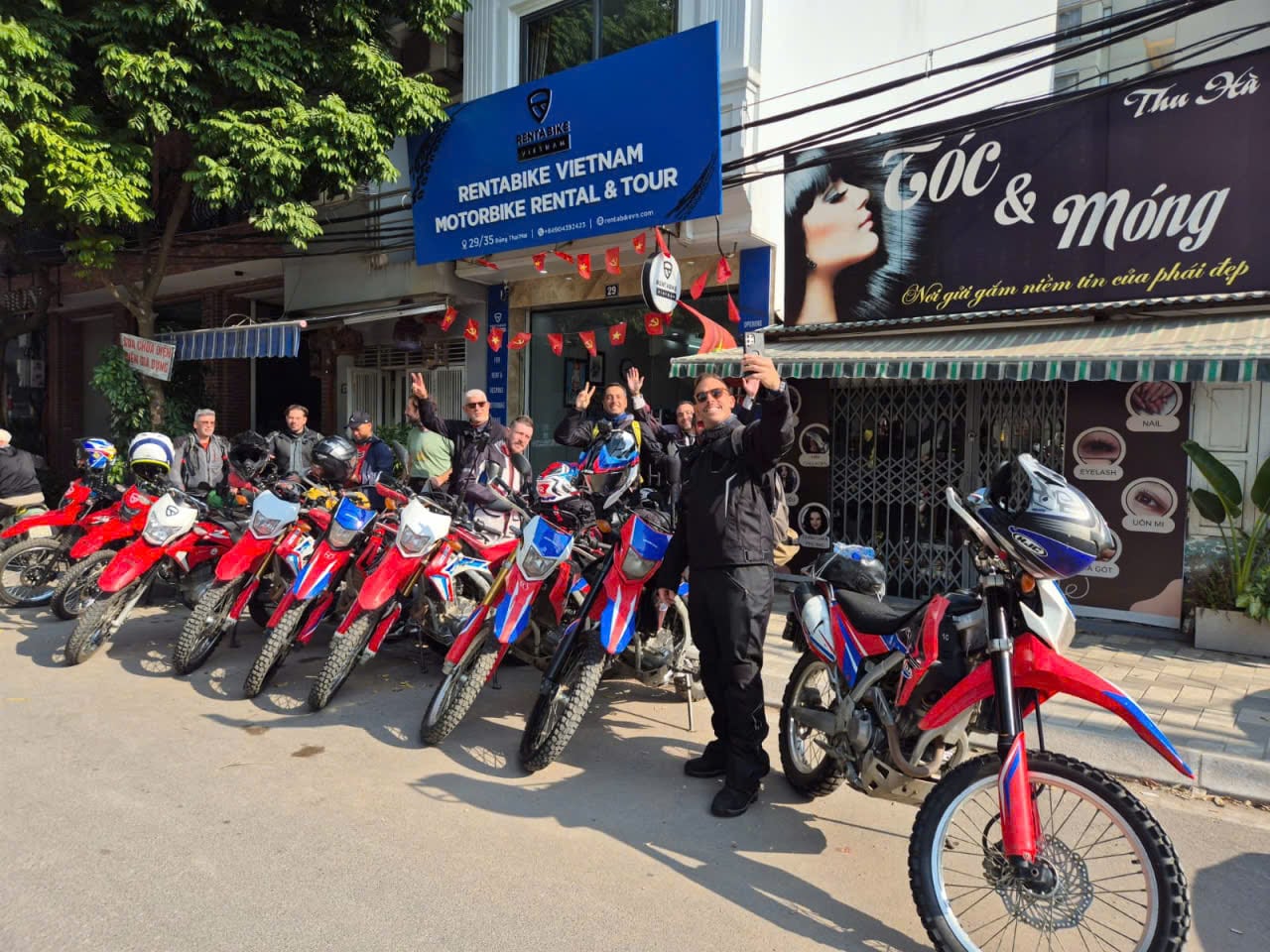
In Vietnam, where the motorbike is king, fuel efficiency isn’t just about being eco-friendly—it’s about the freedom to explore further and keeping more dong in your pocket. Whether you are commuting through the chaotic streets of Hanoi or tackling the winding loops of Ha Giang, watching your fuel gauge drop too quickly is a frustration every rider knows.
Contact AZ Motorbikes to confirm motorcycle availability, pickup and return arrangements, included equipment and support for your intended rental.
Meanwhile, for a broader look at petrol types, fuel range, filling stations and planning fuel stops on longer journeys, see our complete motorcycle fuel guide for Vietnam.
The Mechanical Factor: Tuning Your Machine
Your motorcycle is a complex system, and if one part is out of sync, your engine has to work harder—burning more fuel in the process.
1. Tire Pressure is Critical
This is the single most common cause of poor mileage. Under-inflated tires create more “rolling resistance,” meaning your engine has to fight the road to move forward.
- The Fix: Check your tire pressure weekly. Keep it at the manufacturer’s recommended PSI (usually found on the swingarm or manual).
- Bonus: Proper pressure also improves handling and safety on wet Vietnamese roads.
2. Chain Tension and Lubrication
A dry, rusty, or loose chain creates immense friction. Your engine wastes power simply trying to turn the rear wheel.
- The Fix: Clean and lube your chain every 500km (or after every rain ride). Ensure the tension is correct; a chain that is too tight binds the movement, while one that is too loose is inefficient and dangerous.
3. Breathability: Air Filters
Think of the air filter as your bike’s lungs. In dusty environments like Vietnam, filters clog quickly. A dirty filter restricts air flow, forcing the engine to burn more fuel to compensate.
- The Fix: Inspect your air filter during every oil change. If you are riding off-road or in heavy pollution, check it more frequently.
4. Fluids and Friction
Old, thick oil creates drag inside the engine.
- The Fix: Stick to a strict oil change schedule. Fresh oil lubricates the internal components, allowing them to glide smoothly with minimal resistance.
Riding Habits: The “Soft” Factors
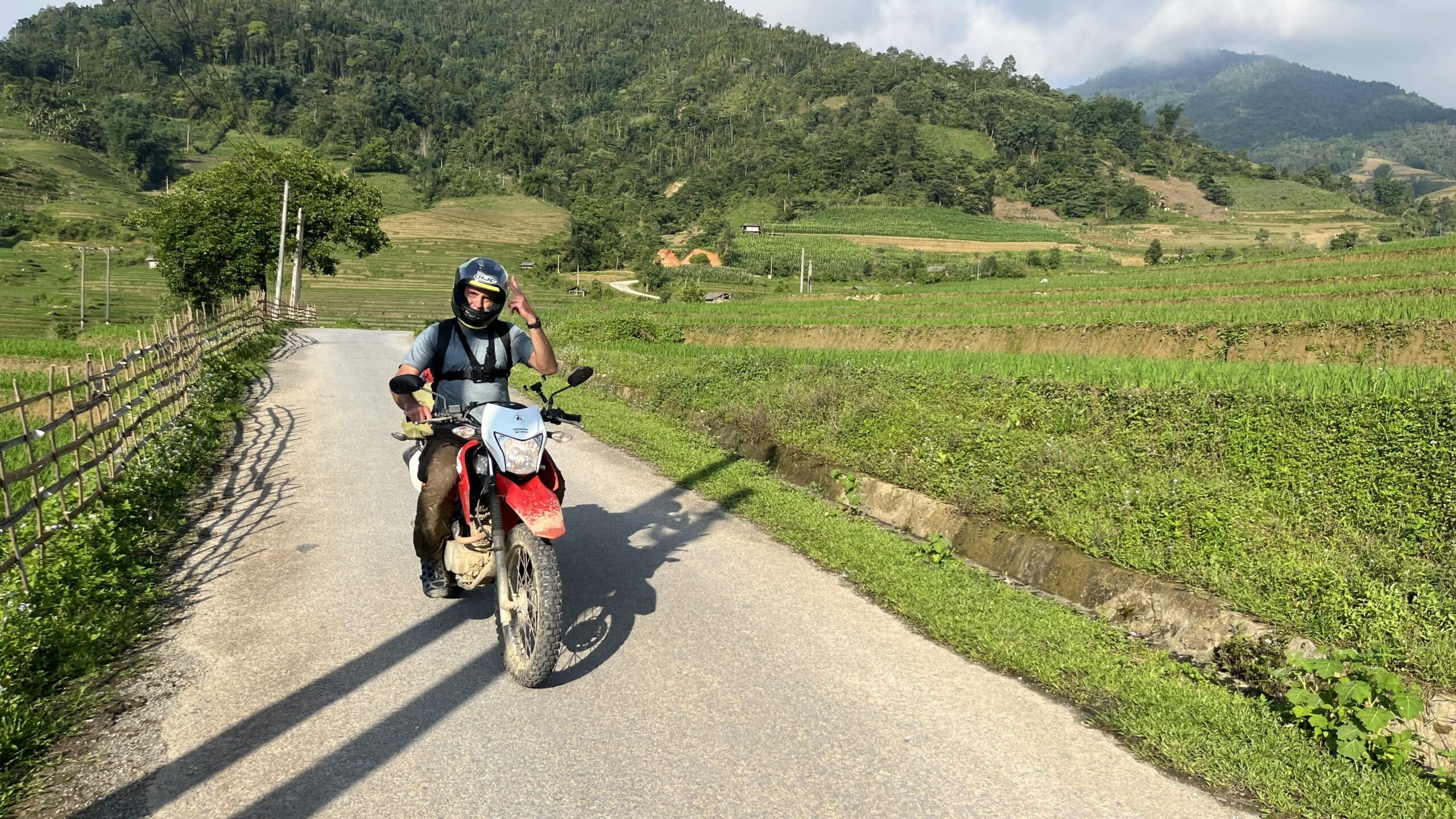
You can have a perfectly tuned Honda XR 150, but if you ride aggressively, you will still drain the tank.
- Smooth Throttle Control: Rapid acceleration dumps fuel into the engine faster than it can be efficiently burned. Roll on the throttle primarily; avoid “snapping” it open.
- Momentum is Your Friend: In Vietnam’s stop-and-go traffic, constant braking and accelerating destroys fuel economy. Look ahead. If you see a red light or a buffalo on the road, let off the throttle early and coast rather than rushing up to brake hard.
- Aerodynamics: At highway speeds (like on the Ho Chi Minh Trail), wind resistance is your enemy. Sitting bolt upright acts like a parachute. A slight tuck or “active” riding posture helps cut through the wind.
A Few Other Factors, Which Can Easily Be Remedied
- incorrect tire pressure
- loose chain
- over tightened brakes
Hidden Efficiency Killers
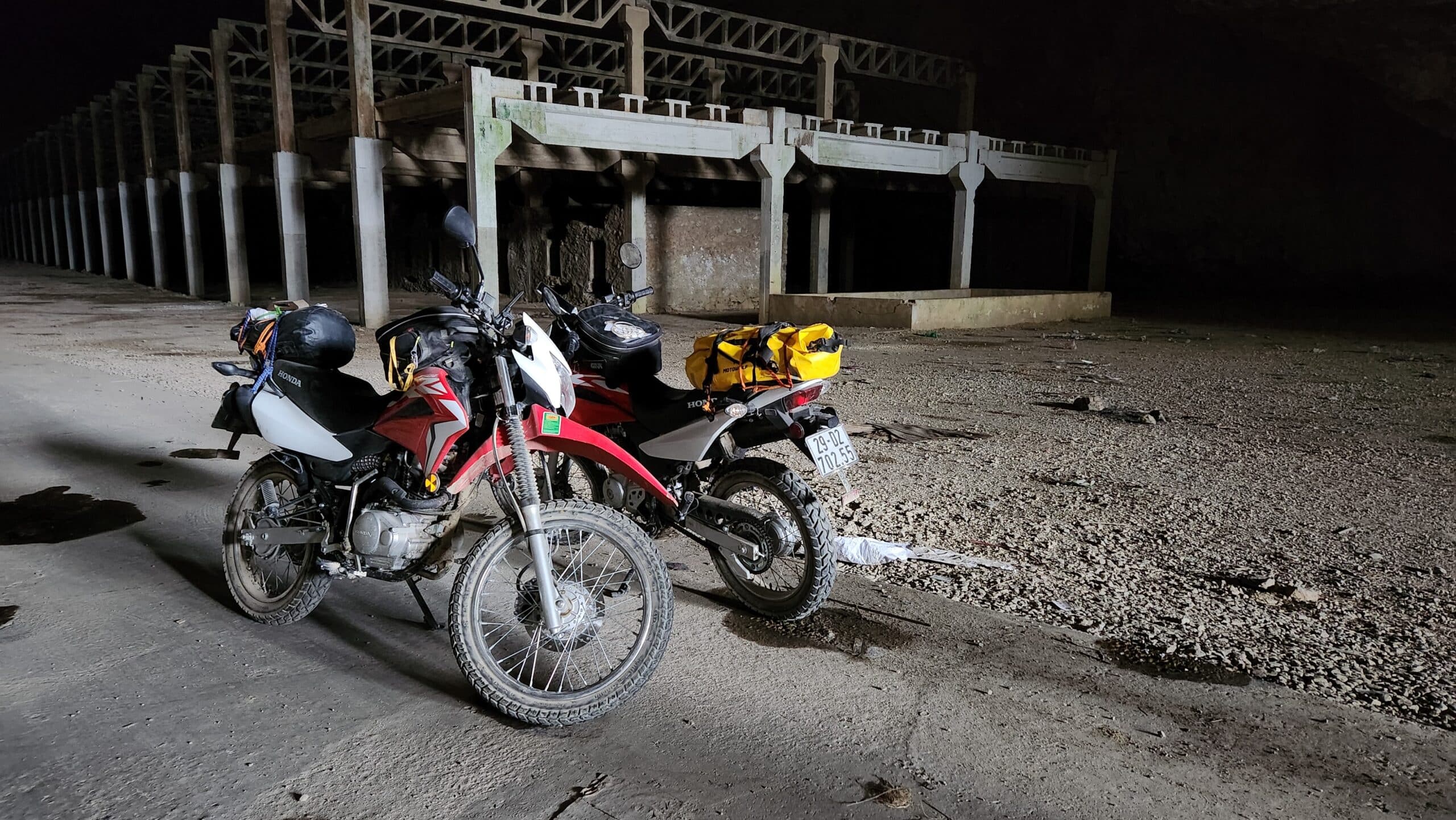
- Weight: Are you carrying unnecessary gear? The heavier the bike, the more fuel it needs to move. If you are on a tour, pack smart. If you are commuting, empty your top box of junk.
- Fuel Quality: Not all petrol stations in Vietnam are created equal. Where possible, stick to reputable chains (like Petrolimex) and choose the correct octane (92 vs 95) for your specific bike model.
- Dragging Brakes: Sometimes a caliper can stick, causing the brake pad to rub against the disc constantly. To check, put the bike in neutral on a center stand and spin the wheel—it should rotate freely.
FAQ
Does using premium fuel (95) always save money?
Not necessarily. If your bike is designed for 92 octane (like many standard scooters and smaller manuals), putting in 95 won’t offer a significant performance or efficiency boost. Always check your owner’s manual.
How often should I lube my chain for maximum efficiency?
In Vietnam’s climate, we recommend every 500km. If you have been riding in the rain or mud, do it immediately after washing the bike. This could well be daily if you are touring.
Can a dirty spark plug affect mileage?
Absolutely. A worn or fouled spark plug causes incomplete combustion, meaning you are wasting unburnt fuel with every stroke of the engine.
Should I turn off my engine at red lights to save fuel?
Yes, but use the “20-second rule.” If the traffic light counter shows more than 20 seconds remaining, kill the engine. Idling for long periods burns fuel (and overheats the engine in summer) without moving you an inch. However, constantly restarting the bike for very short stops can drain the battery, so use your judgment.
Does warming up the bike in the morning waste gas?
Extended idling is unnecessary for modern motorcycles. While it is good to let the oil circulate for 30–60 seconds after a cold start, letting the bike idle for 5–10 minutes to “warm up” just wastes fuel. The most efficient way to warm up an engine is to ride it gently at low RPMs for the first few kilometers.
Save the Environment, Save Fuel, Save Money
Improving your fuel efficiency is a combination of mechanical diligence and smart riding. By keeping your tires inflated, your chain lubed, and your throttle hand smooth, you will extend the life of your engine and save money for what matters—the post-ride bia hơi.
Ready to hit the road on a bike that’s tuned to perfection?
At AZ Motorbikes, every motorcycle in our rental fleet—from the Honda XR 150 to the CB500x — is meticulously maintained to ensure reliability and maximum fuel efficiency.
[Browse Our Rental Fleet] | [Book a Guided Tour]