Culture
Burning Paper Money: A Tet Tradition (and Road Hazard)
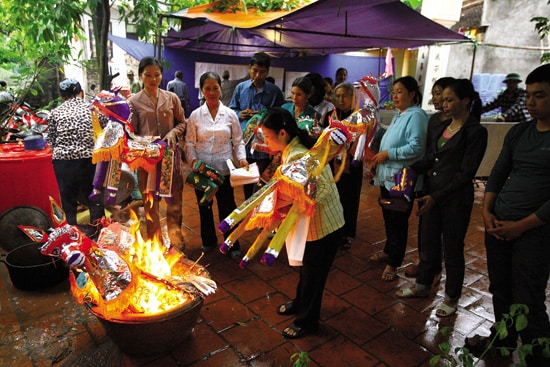
If you are riding through Vietnam in the weeks leading up to Tet, you will smell it before you see it. The scent of incense and burning paper drifts through the streets of Hanoi, clinging to the damp winter air. Turn a corner, and you might find yourself dodging a small bonfire on the sidewalk, where a family is methodically feeding stacks of $100 bills, gold bars, and even paper iPhones into the flames.
To the uninitiated traveler, this looks like madness—or arson. To the locals, it is a necessary transaction. This is the tradition of Vang Ma (Spirit Money), the currency of the afterlife.
While fascinating to watch, this tradition creates unique challenges for motorcyclists. From blinding ash to street-corner fires, here is everything you need to know to navigate the smoke safely.
Planning a trip during the holidays? This article is part of our Tet series. For a full breakdown of routes, traffic, and survival tips, check out The Ultimate Guide to Riding Vietnam During Tet.
What Exactly is Being Burned?
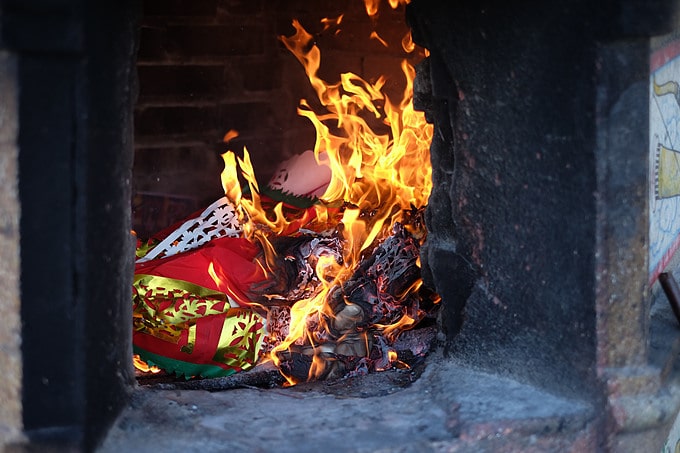
It is not just money. While the most common item you will see is the “Hell Bank Note” (often printed to look like USD or VND but with astronomically high denominations), the offerings have evolved with the times.
Vietnamese people believe that their ancestors in the afterlife have the same needs as the living. As a result, the paper industry produces distinct “ghost” versions of modern luxuries. Walk down Hang Ma Street in Hanoi, and you will see paper villas, luxury cars, latest-model iPhones, iPads, and even paper passports.
The logic is simple: if you want your ancestors to be comfortable and powerful in the next life, you must send them the tools to succeed. Fire is the mechanism of transfer.
The Legend of the Conman: Why We Do It
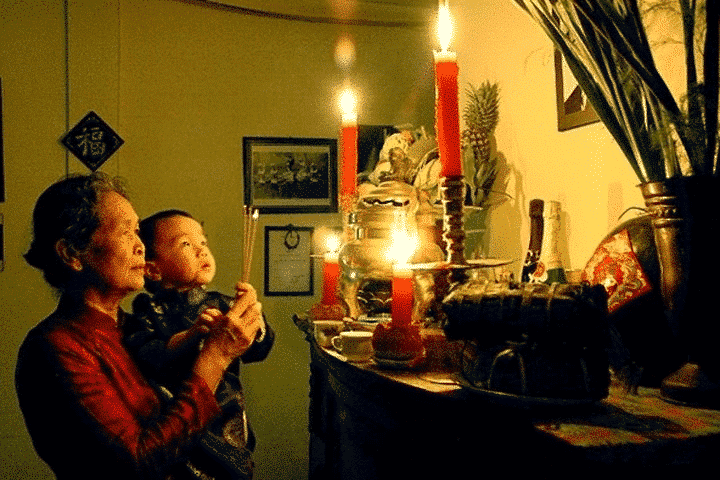
The origins of this tradition are a mix of solemn duty and ancient marketing genius. The most popular legend dates back to Cai Lun, the Chinese inventor of paper.
As the story goes, Cai Lun struggled to sell his invention because most of the population was illiterate. To boost sales, he devised a cunning plan with his wife. He faked his own death, and during the wake, his wife burned piles of paper as an offering. Suddenly, Cai Lun’s coffin opened, and he sat up, “resurrected” by the power of the paper offerings which had bribed the King of Hell to release him.
The crowd was stunned, sales of paper skyrocketed, and a tradition was born. Whether the story is true or a myth, the practice is now deeply retrenched in Vietnamese culture as a way to show filial piety.
When Does the Burning Happen?
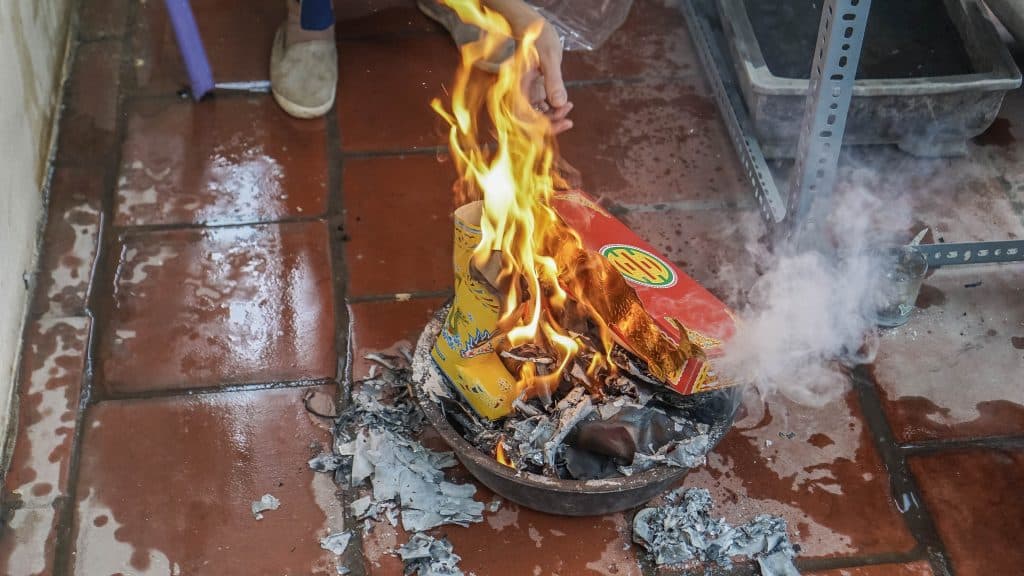
You will see small fires year-round, specifically on the 1st and 15th of every Lunar month (the new moon and full moon). These are regular “top-ups” for the ancestral bank accounts.
However, the burning reaches a fever pitch during two specific times:
- Ong Tao (Kitchen Gods Day): On the 23rd of the last lunar month, families burn paper carps and clothing to help the Kitchen Gods fly to heaven. Read more about this day in our guide: The Story of Ong Tao and the Carp.
- Tet Eve: As the new year approaches, families burn massive amounts of paper to clear bad luck and bribe spirits to stay away for the coming year.
The Rider’s Reality: Ash, Smoke, and Fire
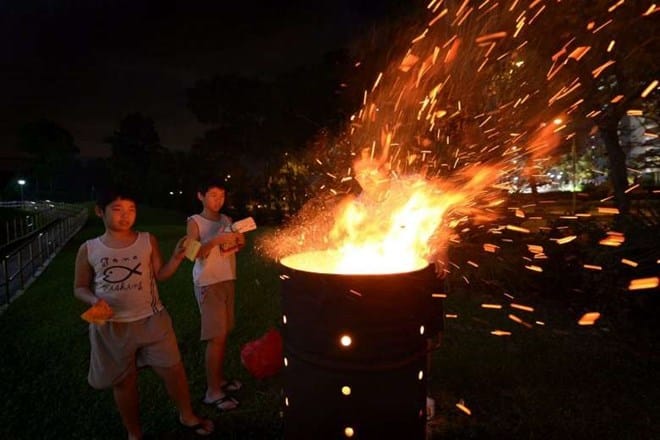
For a pedestrian, this tradition is atmospheric. For a motorbike rider, it is a hazard.
During the week before Tet, the streets of Hanoi and Ho Chi Minh City are lined with small, unattended fires.
- The Corner Trap: Residents often burn paper at road intersections (crossroads are seen as spiritual transit points). Be extremely careful when turning corners in residential areas; you may run wide into a pile of burning embers.
- The Ash Cloud: The paper used is cheap and light. A sudden gust of wind can blow a cloud of hot ash directly into your face. If you are riding with a visor up (or an open-face helmet), this can be blinding.
- Visibility: In narrow alleyways, the smoke can become thick enough to reduce visibility, similar to heavy fog.
Riding during this chaotic time requires extra caution. Ensure you have the right gear and knowledge by reading our Tet Survival Guide.
Environmental Impact vs. Tradition
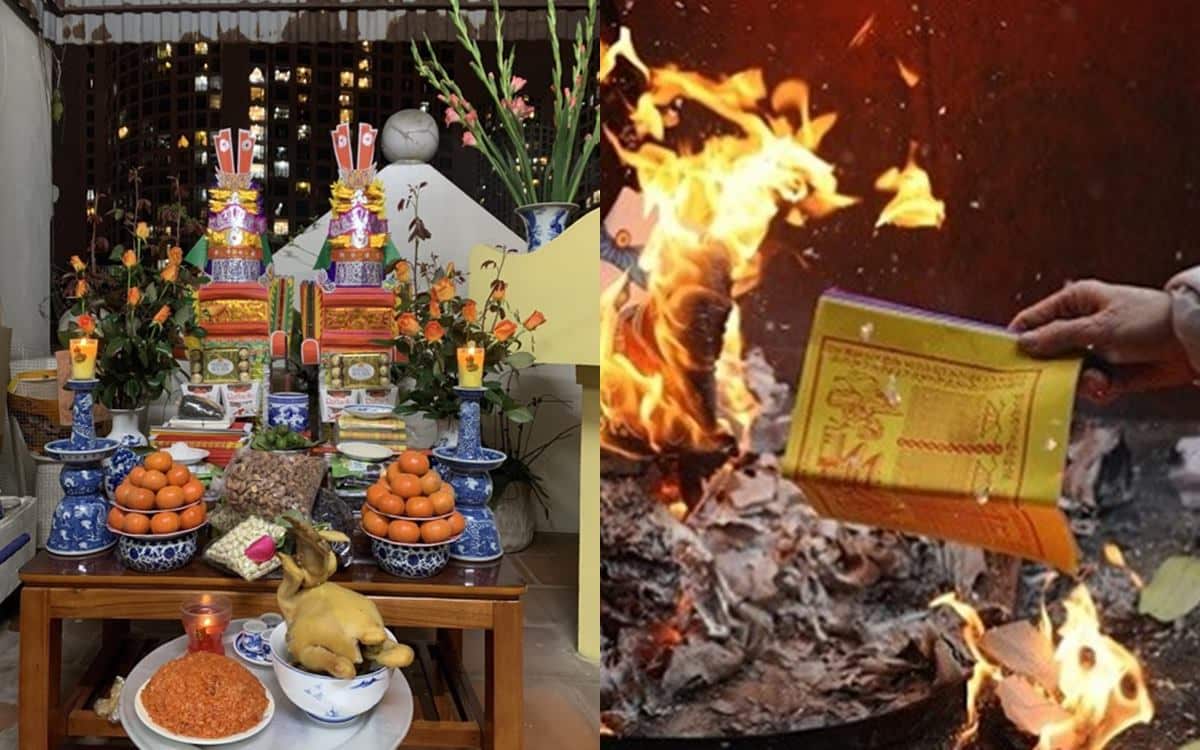
It is impossible to ignore the environmental cost. The paper is often dyed with metallic paints and coated in plastic, releasing harmful compounds when burned. In the damp “Nom” weather of the North, this smoke hangs low over the city, contributing to the poor air quality in February.
The government has tried to urge citizens to burn less, but tradition is stubborn. For now, the “Ghost Cities” of Tet are quiet, but they are often hazy.
Want to experience the empty streets despite the smoke? Check out our guide to The Ghost Cities of Vietnam.
FAQ
Is it disrespectful to drive over the ash piles?
Yes and no. You should try to avoid them out of respect (and safety), as these are offerings to spirits. However, locals understand that the streets are crowded. If you accidentally ride over a pile of cold ash, you won’t be cursed, but try to steer clear of active fires.
Can tourists buy and burn paper money?
Yes, you can. Vendors will happily sell it to you. However, burning it requires a metal bin or a specific spot on the sidewalk. It is best done if you are invited by a local host to join their family ritual. Doing it alone on a street corner might look confusing to locals.
Why do people burn it on the street and not in their houses?
Safety and logistics. Burning huge piles of paper inside a small “tube house” is a fire hazard. The sidewalk is the communal living room of Vietnam, and the crossroads are believed to be where the barrier to the spirit world is thinnest.
Will the smoke ruin my ride?
It won’t ruin the ride, but it will affect the air quality. If you are sensitive to smoke, consider wearing a mask (even a cloth one helps) when riding in dense urban areas like Hanoi’s Old Quarter during the days leading up to Tet.
Is the “money” legal tender?
Absolutely not. It is often printed on rough bamboo paper and is clearly marked as “Hell Bank Notes.” Do not try to pay for your bowl of Pho with it!
Ready to Ride?
Contact AZ Motorbikes to confirm motorcycle availability, pickup and return arrangements, included equipment and support for your intended rental.