
Routes
Vietnam Motorcycle Weather Guide: Best Time to Ride by Region
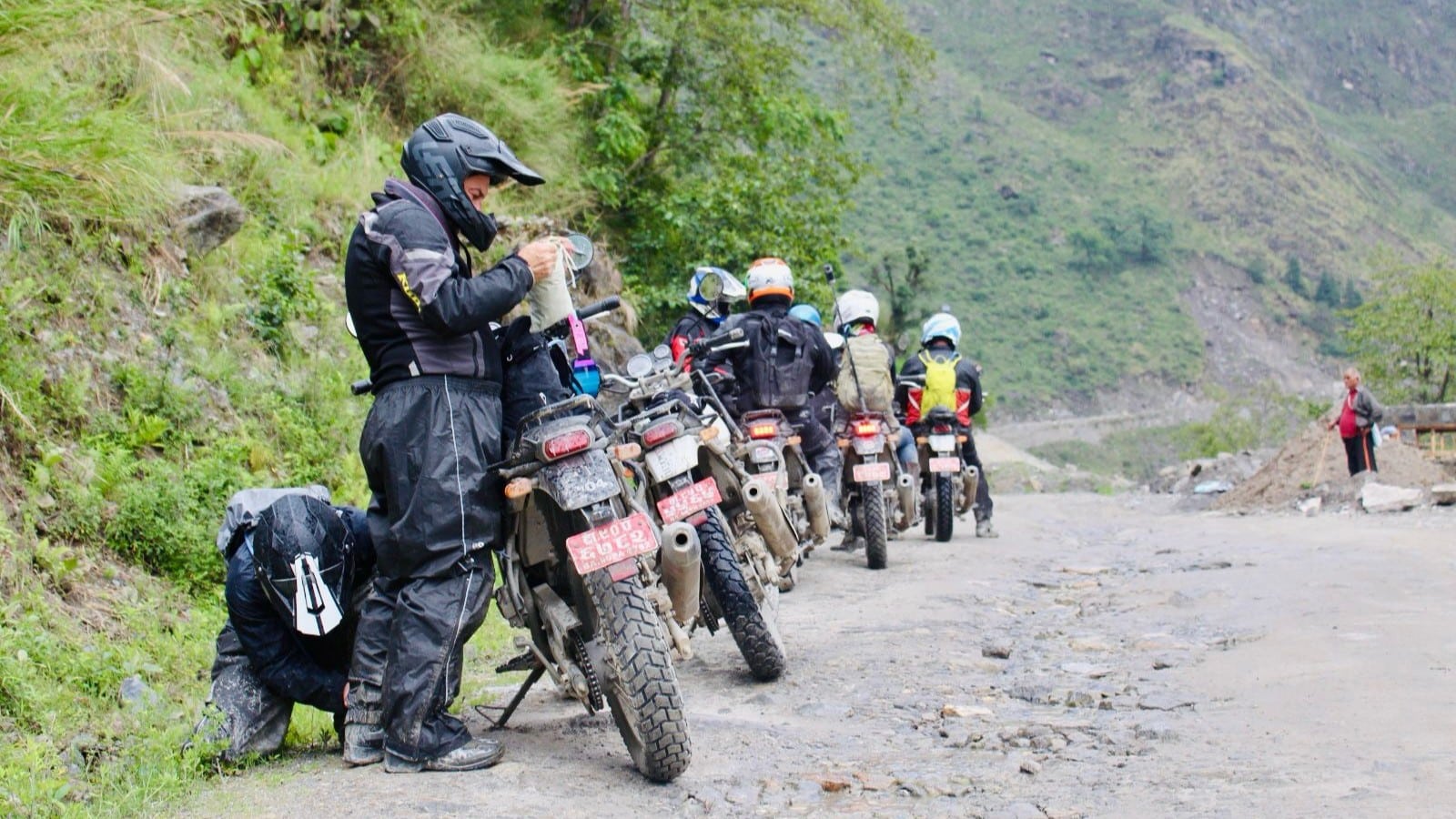
There is no single best month to ride a motorcycle in Vietnam. Conditions can be completely different in Hà Giang, Danang and Ho Chi Minh City on the same day, and that matters more when you are travelling by motorcycle.
Rain can change mountain roads, fog can slow a day’s progress and extreme heat can make an easy-looking distance surprisingly tiring. The useful question is not simply “When is the best time to visit Vietnam?” but “Where should I ride at this time of year, and what conditions should I plan for?”
Vietnam Motorcycle Weather at a Glance
Vietnam does not have one riding season. The North, Central region and South can experience very different conditions at the same time, which means there is usually somewhere in the country worth riding.
Northern Vietnam has the greatest seasonal change. Winters can be cold and misty in the mountains, summers are hot and wetter, while spring and autumn often provide some of the most attractive conditions for routes through Hà Giang, Cao Bằng and the Northwest.
Central Vietnam generally offers good riding through much of spring and summer, but its wetter period comes later in the year. This makes Danang, the Central Highlands and the Hải Vân Pass useful alternatives when northern or southern conditions are less favourable.
Southern Vietnam stays warm throughout the year. The drier months are generally easier for touring, although riding remains possible during the wet season if you keep the itinerary flexible and allow for tropical downpours.
For more detail on conditions in the North, our Hanoi weather by month guide explains what riders can expect throughout the year.
| Month | Where I Would Look First | What to Consider |
|---|---|---|
| January | South | Dry, warm conditions suit longer southern trips. Northern mountains can be genuinely cold. |
| February | Central / South | Good southern riding; Central conditions improve. Northern mornings may still be damp or misty. |
| March | Most regions | One of the strongest months for a longer cross-country motorcycle trip. |
| April | Most regions | Excellent all-round option. Heat begins to matter more in Central and Southern Vietnam. |
| May | Central | Good Central riding; heat and storms increase elsewhere. Leave flexibility in the daily schedule. |
| June | Central | Central routes can work particularly well. Plan around high temperatures and strong sun. |
| July | Central | Often a good time for Danang and Central Highland loops, although heat can make long days tiring. |
| August | Central / selective North | Conditions become more changeable. Check recent road conditions as well as the forecast. |
| September | North | Northern riding improves while storm and rain risk increases around the Central Coast. |
| October | North | One of the strongest periods for Hà Giang, Cao Bằng and other northern mountain routes. |
| November | North / South | Northern touring remains attractive while the South moves towards its drier season. |
| December | South | Warm, relatively dry southern riding; northern mountain trips require proper cold-weather preparation. |
Use this as a starting point rather than a fixed rule. Local weather, altitude and recent storms can change conditions quickly, particularly on mountain roads.
Riding Northern Vietnam: Temperature, Rain and Mountain Weather
Northern Vietnam offers some of the country’s most interesting motorcycle touring, including Hà Giang, Cao Bằng, Ba Bể, Sa Pa and the Northwest. It also has the greatest seasonal variation.
September to November
September to November
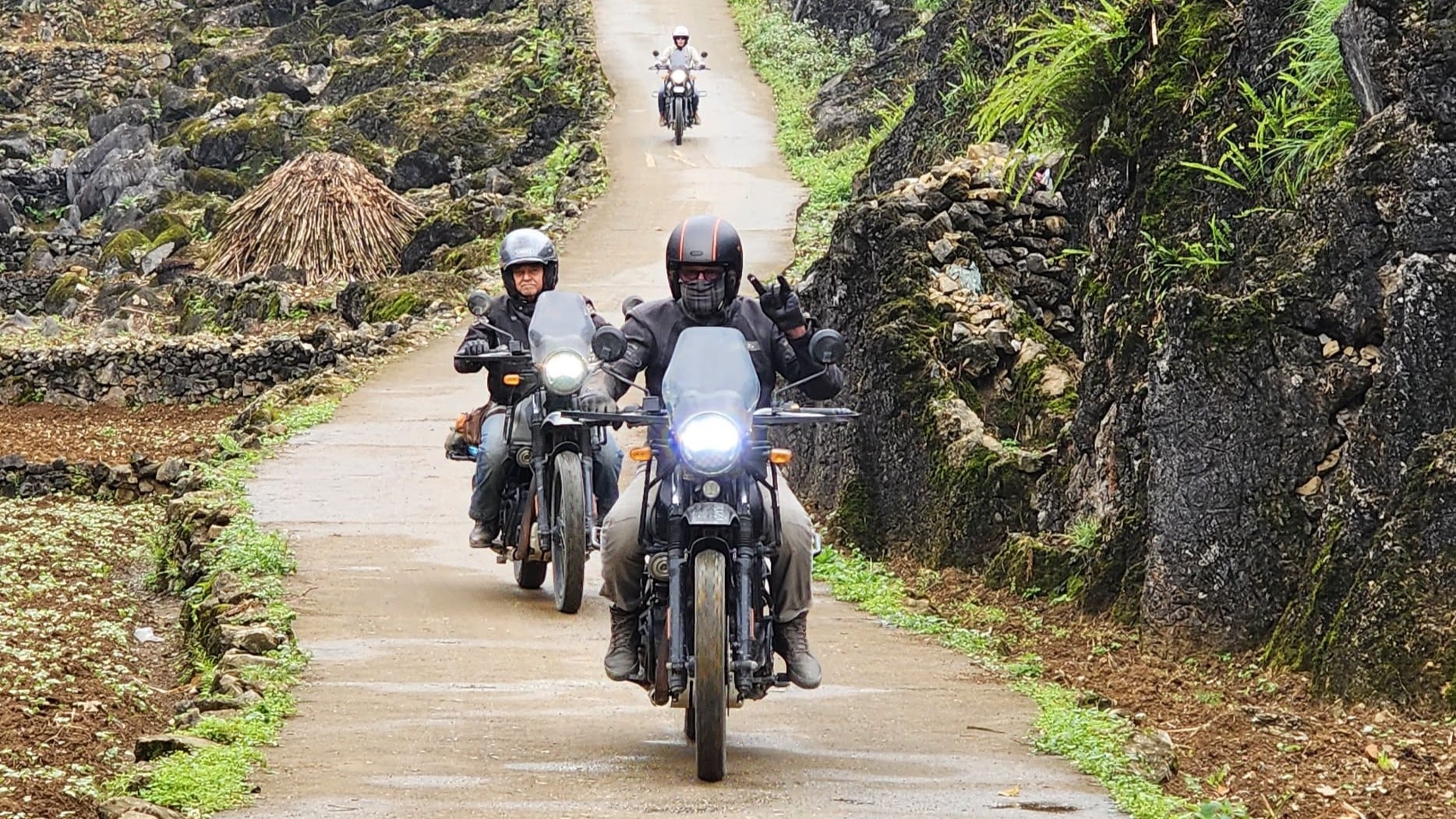
For many riders, early autumn is one of the strongest periods for northern Vietnam. Temperatures generally become more comfortable after summer, wetter periods begin to ease and visibility can be excellent.
September and October can also coincide with harvest landscapes in mountain areas, although exactly when rice fields turn gold varies by location, altitude and the agricultural calendar. This is a particularly attractive period for routes through Hà Giang and Northeast Vietnam; our Best Time to Ride the Cao Bang Loop guide goes into the seasonal detail for that area.
March to May
March to May
Spring is another useful northern riding period, but it should not be sold as guaranteed sunshine. March may still bring damp, cloudy or misty conditions, April is generally warmer, and May begins moving toward hotter and wetter summer weather.
For someone attempting a longer trip across several regions, this period can provide one of the best compromises between North, Central and South. Our April and May riding guide explains why that window can work particularly well for a longer Vietnam motorcycle trip.
June to August
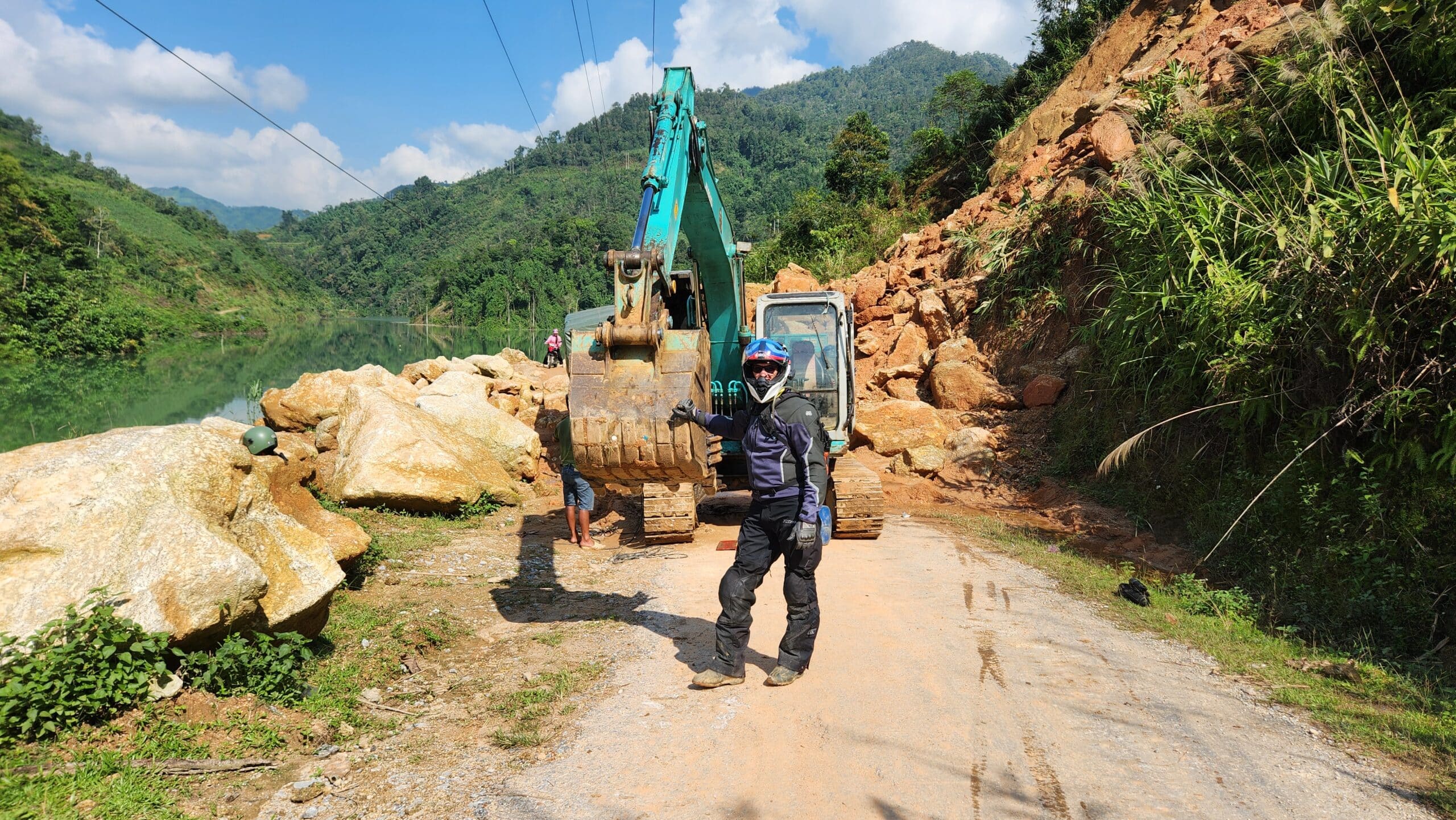
Summer brings heat, humidity and substantially more rain. That doesn’t make northern Vietnam unrideable, but it does mean the rider needs more flexibility.
The condition of a mountain road can continue changing after the rain has stopped. Water can move soil, rocks and branches onto the road, damage shoulders and expose previously stable surfaces. This is why current route information matters alongside the forecast; our guide to riding a motorcycle safely in Vietnam covers the wider road-condition issues riders should consider.
December to February
Winter surprises many visitors. Hanoi can be cool, grey and damp, while higher northern areas can become considerably colder. Fog and low cloud can reduce visibility in the mountains, although they can also make the landscape very atmospheric.
Northern touring is still possible, but packing and route choice become more important. A bright afternoon in Hanoi is not proof that conditions will be equally comfortable on a high mountain pass.
A good northern route to consider
For riders who want quieter roads and a mixture of Cao Bằng, Bản Giốc and Ba Bể, the Northeast Vietnam motorcycle loop is a useful starting point and can be adjusted according to the weather and road conditions.
Riding Central Vietnam: Heat, Rain and the Late Wet Season
Central Vietnam operates on a different weather timetable from much of the country. Poor weather in northern Vietnam does not necessarily mean poor riding around Danang, Huế or the Central Coast, which makes the region especially useful when you are choosing a route to match the season.
February to May
This is generally one of the most attractive periods for Central Vietnam. Conditions tend to become warmer and drier, making routes around Danang, Hội An, Huế and the Hải Vân Pass particularly appealing.
If you want to stay based around Danang rather than ride north to south, our Vietnam motorcycle route maps include 1-day, 4-day and 7-day Central Vietnam loops through the coast and Central Highlands. These are good examples of how you can match the length of the trip to a favourable weather window rather than forcing a fixed national itinerary.
June to August
Central Vietnam can be extremely hot during summer. Dry roads don’t automatically equal easy touring conditions: hours of exposure to heat, sun and humidity can make a riding day considerably harder than the distance suggests.
This is one reason we recommend planning motorcycle trips in time rather than kilometres alone. A route should leave room for water, food, sightseeing and an early finish when conditions demand it. The 4-day or 7-day Central Vietnam loops can be particularly useful because you can cover interesting mountain and coastal roads without needing to push huge daily distances.
September to November
This is the period that deserves the greatest flexibility. Heavy rain, tropical storms and flooding can affect parts of Central Vietnam, especially around the central coast.
That doesn’t mean nobody should ride Central Vietnam during these months. It means an itinerary should not depend on one road being passable on one exact day. Check forecasts, ask about current road conditions and be willing to change the route.
The Hải Vân Pass
The Hải Vân Pass is a perfect example of why weather matters to route choice. On a clear day it offers spectacular coastal and mountain views; under low cloud or heavy rain it is an entirely different ride. Our Hải Vân Pass guide is useful once you have decided Central Vietnam suits your dates.
Riding Southern Vietnam: Wet Season Does Not Mean Stop Riding
Southern Vietnam remains warm throughout the year and generally has a simpler seasonal pattern than the North. Broadly, November to April is the drier period, with wetter conditions becoming more common from around May into October.
The dry season
The dry months are the easiest period for riders who want predictable touring conditions in southern Vietnam. This can work particularly well for the southern coast, Ho Chi Minh City departures and riders continuing north towards Central Vietnam.
When conditions are good, the South also gives you several useful loop options. Our route collection includes a 3-day Mekong Delta loop, a 4-day Dalat route and a 7-day Beaches × Mountains loop, giving you choices from flat delta riding to cooler highland roads and a longer coast-and-mountain combination.
Heat can still be considerable, so choosing comfortable riding hours and leaving time for stops remains important. The Dalat route is also a reminder that Southern Vietnam is not one uniform climate: the higher terrain can be much cooler than Ho Chi Minh City or the delta.
The wet season
The wet season does not mean rain continuously falls all day. Periods of sunshine can be interrupted by heavy tropical rain, sometimes over a relatively short period. However, it is a mistake to tell riders that rain always arrives at a particular hour.
The current live copy says rain “almost always comes at 4:00 PM” and suggests that starting at 06:00 and finishing by 15:00 means riders will “miss the rain entirely.” That is too definite and should be removed.
A better strategy is to build flexibility into the day. If a major storm arrives, stop somewhere sensible, check what the weather is doing and continue when conditions improve rather than trying to beat a timetable.
Think beyond today’s rain
The immediate downpour is not always the only issue. In cities, drainage and local flooding may affect traffic. On smaller roads, surface water can hide potholes or broken edges. In higher terrain such as the Central Highlands around Dalat, fog and temperature can also be very different from conditions at sea level.
The useful habit is simple: check the weather, then check the route.
How to Plan a Vietnam Motorcycle Trip Around the Weather
Weather should influence your motorcycle route, but it should not control the whole trip. The best plans leave enough flexibility to change the daily distance, switch roads or spend longer in a region when conditions are better than expected.
A few simple planning decisions can make a big difference, especially on longer journeys through several climate zones. Choose the region first, avoid overloading each day and use current local information before committing to the next section of the route.
Choose the region before worrying about the exact route
If you are travelling in October, northern Vietnam may make more sense than building your entire trip around Central Vietnam. If you are travelling in January, southern Vietnam becomes particularly attractive while a northern mountain trip requires much warmer gear.
Start with the climate zone. Then choose the route.
Don’t plan every day to its maximum distance
A tightly planned itinerary becomes fragile as soon as the weather changes. Allowing spare time means you can stop early, wait for a storm, change roads or spend an extra night somewhere interesting without destroying the rest of the trip.
This is particularly important in mountain areas where 150 km can already be a substantial day’s ride.
Check local conditions, not just the weather app
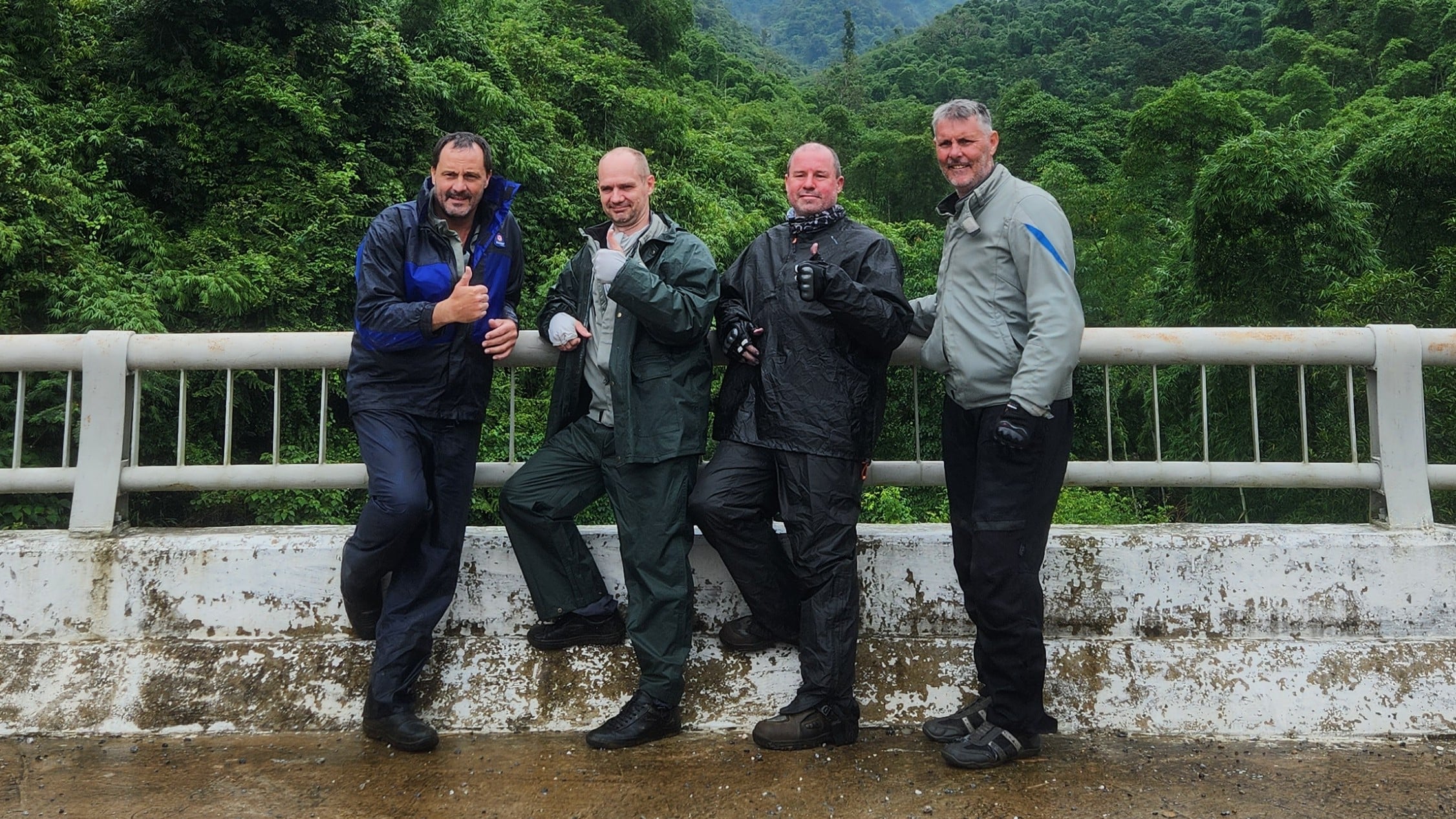
A forecast tells you what may fall from the sky. It doesn’t necessarily tell you what yesterday’s storm did to the road.
Hotel owners, local riders, guides and an experienced rental company can all provide information that a navigation app may not know. If you rent from a company with experience in the region, ask about current roads before leaving.
Check in with the rental company and when there is a chance of bad weather even considre calling ahead to your planned hotel destination. This can let you know what you are heading into. Good route advice can be as useful as the motorcycle itself.
Choose a motorcycle that suits the trip
Weather does not automatically mean you need a larger motorcycle. On smaller mountain roads, a lighter machine can often be easier to manage when surfaces become broken or dirty. On longer open-road journeys, additional comfort and power may be more useful.
The motorcycle should match the route, your experience, luggage and passenger requirements—not simply the engine capacity you normally ride at home. Riders beginning a northern trip can compare our Hanoi motorcycle rentals before choosing a bike for the route.
Consider a one-way trip
Vietnam’s different climate zones make one-way touring particularly useful. Instead of creating a loop simply because the motorcycle has to return to the same shop, you can travel Hanoi → Danang → Ho Chi Minh City, or in the opposite direction, and adjust the trip around the regions that best suit your dates. Our one-way motorcycle rentals are designed for exactly this type of journey.
Use support when the trip requires it
Independent riding gives you maximum flexibility, but some riders would rather have accommodation, route decisions and changing road conditions handled as part of the trip. This becomes particularly useful on longer itineraries or during periods when weather may require route changes.
A guided trip can also connect several climate zones without making the rider solve every logistical problem alone. Our Run to the Sun motorcycle tour, for example, runs from Hanoi to Danang through the Ho Chi Minh Trail, Phong Nha, Huế and the Hải Vân Pass.
FAQ
What is the best month to ride a motorcycle across Vietnam?
There isn’t one perfect month, but March and April are among the strongest compromises for a trip covering several regions. Northern Vietnam is warming, Central Vietnam is generally in a favourable period and the southern wet season has not yet fully developed. May can also work, although temperatures and rain risk begin increasing in some regions.
Can I ride a motorcycle in Vietnam during the rainy season?
Yes. A rainy season does not necessarily mean continuous rain every day. You should, however, allow more flexibility, check local forecasts and road conditions, and avoid building an itinerary that requires you to complete a particular mountain road regardless of the weather.
What is the best time to ride Hà Giang and Cao Bằng?
September and October are particularly attractive, while March and April can also provide good touring conditions. Summer is hotter and wetter, while winter can be cold, cloudy and foggy in the mountains.
Should I avoid Central Vietnam during the wet season?
Not necessarily, but September to November requires more caution and flexibility because heavy rain, storms and flooding can affect Central Vietnam. Check the forecast close to departure rather than assuming a route will behave exactly as it normally does.
What riding gear should I bring for Vietnam?
Bring adaptable protective gear. Ventilation matters in hot conditions, reliable rain protection is useful year-round and riders heading into northern mountains in winter should carry warm layers. A clear visor and a strategy for preventing fogging are particularly useful in damp or cold mountain weather.
Choose the Weather, Then Choose the Route
Vietnam is rideable throughout the year, but the best motorcycle trip depends on matching the route to the season rather than trying to force the same itinerary at any time of year.
Start with the region that best suits your dates, then choose the roads, daily distances and motorcycle around the conditions you are likely to meet. If the weather changes, adjust the plan rather than pushing on simply because the route was decided weeks earlier.
That flexibility is one of the advantages of travelling Vietnam by motorcycle. In the right season you can concentrate on the mountain loops of Hà Giang and Cao Bằng, explore the Central Highlands and coast from Danang, or head south towards Dalat and the Mekong Delta.
Good planning does not remove the weather from the trip. It helps you use it to choose a better one.