
Tours
A Guide to Vietnamese Coffee on Your Motorcycle Tour
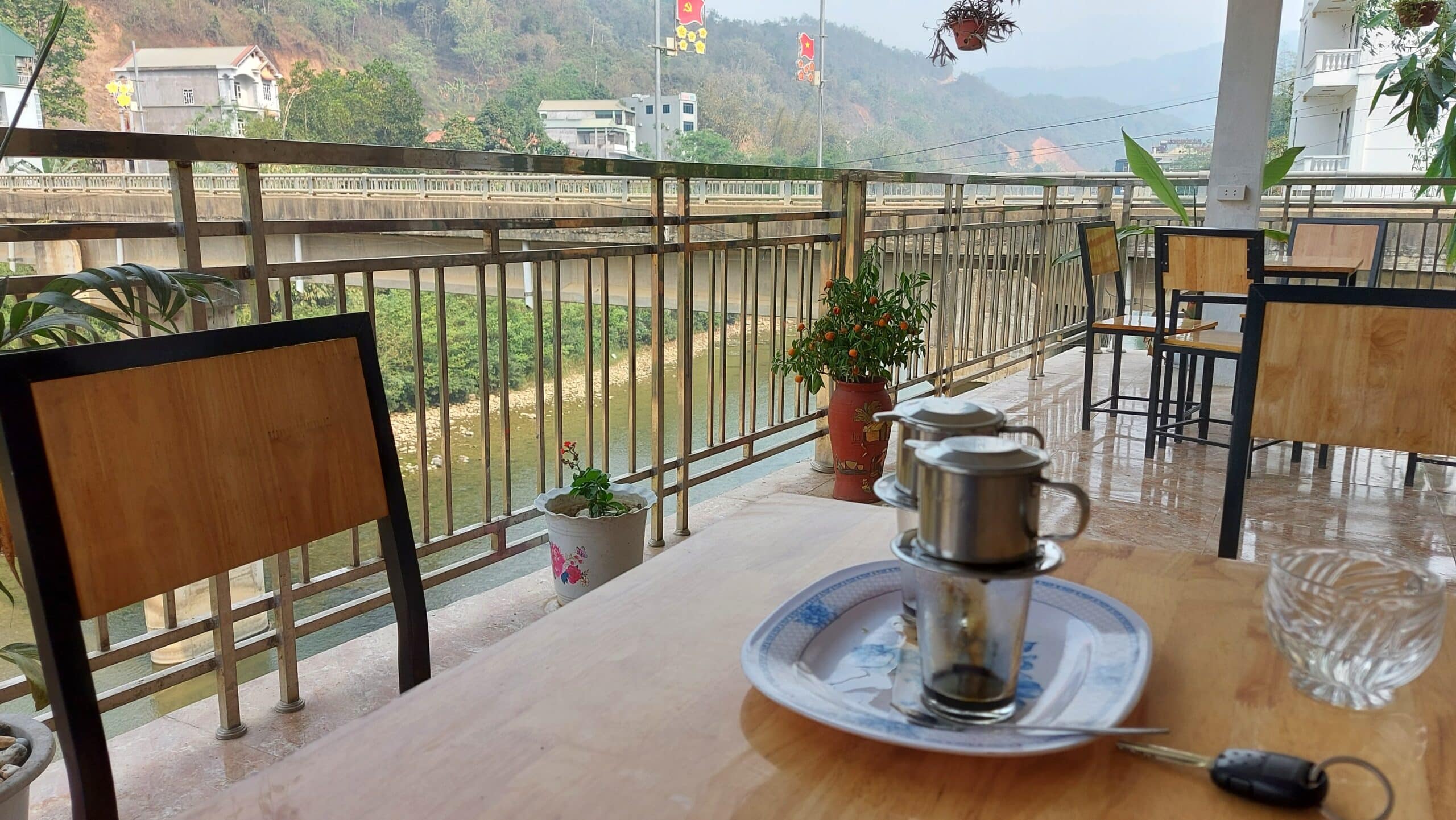
A strategically timed coffee break is essential for the motorcycle touring experience in Vietnam. Beyond the physical boost that Vietnamese coffee offers, these stops offer a chance to mingle with locals. With so many different types of coffee and cafe, you can easily opt for a different experience every single day of your trip.
A Brief History of Coffee in Vietnam
Coffee cultivation in Vietnam originated with its introduction by the French in the late 19th century. The Central Highlands, with its favorable climate and soil conditions, became the primary region for coffee production. After gaining independence, Vietnam’s coffee industry underwent significant expansion, transforming the nation into one of the world’s leading robusta coffee exporters. This industry has had a major effect on Vietnam’s agricultural economy and social structure. It has led to increased rural development and contributed greatly to national economic growth.
Types of Vietnamese Coffee
Cà Phê Đen (Black Coffee): This is prepared using a traditional ‘phin’ filter, a metal cup placed on top of a waiting coffee cup. This can take some time to filter through so prepare for this wait. Cà Phê Đen has a strong and concentrated flavor. The slow drip method creates a very strong brew, typically consumed without milk or sugar. This appeals to those who prefer a pure coffee experience.
Cà Phê Sữa Đá (Iced Coffee with Condensed Milk): Referred to a ‘brown coffee’ in the North, this signature form of coffee combines dark roasted coffee with sweetened condensed milk, served over ice. The condensed milk makes it very sweet and gives a creamy texture. This creates a balance of intensities and offers a refreshing option in Vietnam’s tropical climate.
Cà Phê Trứng (Egg Coffee): Originating in Hanoi in 1946, a local bartender at the Metropole Hotel, Nguyen Van Giang, created this variant. Cà Phê Trứng involves whisking egg yolks with sugar and coffee, creating a rich, custard-like topping. This unique preparation creates a coffee with a smooth, velvety texture, that is often enjoyed as a dessert coffee.
Cà Phê Dừa (Coconut Coffee): As the name implies, this coffee incorporates coconut milk or cream, blended with traditional Vietnamese coffee. It is particularly popular in coastal regions. The coconut flavour adds a tropical element and offers a refreshing taste. It is often combined with ice, and yoghurt as well as coconut shavings for flavour, decoration and texture.
Weasel Coffee (Cà Phê Chồn): A unique form of coffee involving a process whereby Civet cats consume and then excrete coffee beans. This digestive process alters the coffee beans, resulting in a smoother, less bitter brew. Cà Phê Chồn is highly prized for its distinct flavor and due to its rarity and production method, it commands a premium price.
7-Day Due North Motorcycle Tour
Ride deep into Vietnam’s northern frontier: mountain passes, hidden valleys, and rich history packed into one unforgettable week Book NowThe Vietnamese Cafe Experience
Traditional Cafes: Local, family-run cafes serve as communal spaces, reflecting the social importance of coffee consumption. You will find these on every street corner and they are usually full of patrons. These cafes exhibit the daily life of local vietnamese with their simple seating and very informal atmospheres.
Modern Cafes: Urban centers are increasingly featuring modern cafes with every kind of foreign influence from Japanese to Korean to American. This caters to the evolving tastes of the Vietnamese, who are keen to learn and look more cosmopolitan. These cafes offer diverse menus served up in modern surroundings, appealing to a younger demographic.
Roadside Coffee Stalls: Along highways and rural roads, coffee stalls provide quick service, catering to travelers. You will find more permanent stops as well as more impromptu mobile coffee carts among these. These stops allow for more interaction with local vendors and a chance to practise Vietnamese language. Hygiene and ingredient quality can be issues here so take care.
Coffee Plantations and Tours: In regions like the Central Highlands, coffee plantations offer guided tours. This is an amazing way to learn firsthand about coffee cultivation and harvesting. These tours show the complete lifecycle of coffee production and give you an idea of the impact the crop has on the economy.
Coffee Considerations for Motorcyclists
Finding Quality Coffee on the Road: Identifying reputable coffee shops involves observing local patronage and inquiring about bean origins. Regional variations in robusta and arabica blends influence coffee quality.
The Importance of Coffee Breaks: Regular breaks are essential for maintaining alertness and preventing fatigue during extended motorcycle rides. Stopping for a coffee can give you a well earned rest and also perk you up ready for the next leg of your journey. However, don’t forget that coffee dehydrates so it is essential to take on other fluid.
Coffee and Local Interactions: Coffee breaks and give you a chance to interact with locals. Most vendors are friendly and curious and this will usually lead to a barrage of questions. If children are around, this effect is only magnified.
Practical Tips for Coffee Stops: Make sure to use secure motorcycle parking and try to learn a few basic Vietnamese phrases for ordering. Don’t forget to use the bathroom to save the inconvenience of having to stop once you are back underway.
Honda CB 500X Motorcycle Rental
Engineered to handle whatever the road throws at you Book NowRegional Coffee Highlights
Central Highlands (Buon Ma Thuot, Dalat): This region, the heart of Vietnam’s coffee production, offers opportunities to visit plantations and sample robusta varieties.
Hanoi: Known for its traditional cafes and the unique Cà Phê Trứng, Hanoi provides a cultural immersion into Northern Vietnamese coffee practices.
Ho Chi Minh City: This urban center showcases modern cafes and diverse coffee styles, reflecting the influence of international trends.
Coastal Areas: Coastal regions offer relaxed coffee stops with scenic ocean views, combining coffee enjoyment with natural landscapes.
FAQ
Is it safe to drink roadside coffee in Vietnam?
Generally, yes, but observe the hygiene practises and if in doubt move on. Notice how many locals are drinking at that cafe. If it looks clean and busy, it is probably ok.
How do I order coffee in Vietnamese
It isn’t too hard to learn some basic variants like “Cà phê sữa đá” (iced coffee with milk) or “Cà phê đen” (black coffee). Pointing at a menu can also work 🙁
If all else fails or you want to try something new, use it as a chance to learn new vocab and interact with locals.
How much should I expect to pay for a coffee?
At a roadside stall you will pay around 15,000vnd for a basic coffee.
If you wish to drink something more fancy, like a coconut coffee or in a more modern style cafe, you will pay 50,000vnd or more.
Can I find decaf coffee in Vietnam?
Probably only in the major cities and even then it is hard. Modern style cafes may offer this, but the more traditional ones most certainly won’t.
What is the best time of day to take a coffee break on a motorcycle tour?
Our experience would suggest mid-morning to mid-afternoon. This allows you time to wake and is the point of the day when you might need some pep. However, it isn’t so late that it affects your sleep pattern.
Fueling Your Adventure
Coffee is integral to the Vietnamese travel experience, particularly for those exploring by motorcycle as you have the opportunity to experience the regional diversity of the brew. Taking time out every day to stop for a brew will enable you to get that little bit more out of your motorcycle tour and learn that little bit more about the vietnamese and their culture.