Rentals
A Comprehensive Guide to Fuel Types in Vietnam
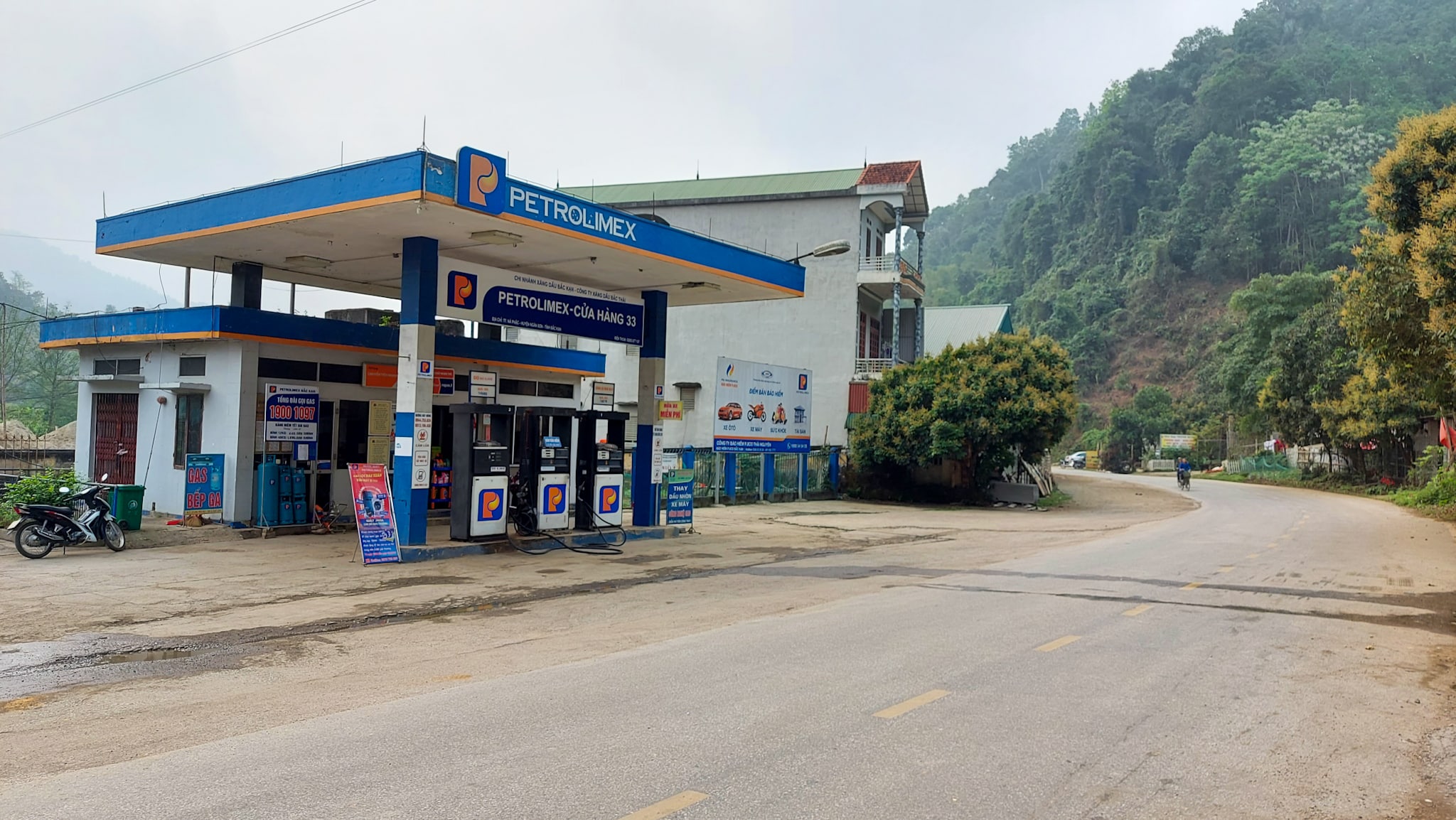
With a growing number of vehicle options on the road, understanding the different types of fuel available is more important than ever. From gasoline to diesel, each fuel has specific properties that affect your vehicle’s performance, lifespan, and environmental impact. This guide breaks down the common fuel types in Vietnam: E5 RON 92, RON 95-V, RON 95-III, DO 0,001S-V, and DO 0,05S-II.
We recommend using E5 RON 92 for our bikes.
If you are planning a longer motorcycle trip and also want to understand fuel range, economy and refuelling on remote roads, see our complete motorcycle fuel guide for Vietnam.
Gasoline (Petrol) Fuels: E5 RON 92, RON 95-III, and RON 95-V
The “RON” (Research Octane Number) indicates a fuel’s resistance to “knocking” or premature combustion. A higher RON means better anti-knock properties, which is crucial for modern, high-compression engines. The Roman numerals, like “V” and “III,” denote the fuel’s emission standard (e.g., Euro 5 and Euro 3), with higher numbers signifying cleaner-burning fuel.
E5 RON 92
Description: This is a biofuel blend consisting of 95% regular gasoline and 5% bio-ethanol. It’s an environmentally friendlier alternative to pure gasoline, as ethanol is a renewable fuel source.
Vehicles: E5 RON 92 is a versatile fuel that can be used in most vehicles, including older cars and motorcycles. It is a suitable and common choice for a wide range of engines.
Cost per Litre: E5 RON 92 is typically the most affordable gasoline option. Its lower price is a key factor in its widespread use, as it offers a balance between cost-effectiveness and environmental benefits.
Common Usage: E5 RON 92 is very common and widely available across Vietnam, encouraged by government policies to promote the use of biofuels. It is often the primary choice for many motorcyclists and owners of older vehicles.
WE RECOMMEND THIS FUEL as it is slightly cheaper and greener than the alternatives.
RON 95-III
Description: This is a premium gasoline with a RON of 95, meeting Euro 3 or Euro 4 emission standards. It has a higher octane rating than E5 RON 92, providing better performance and efficiency for compatible engines.
Vehicles: RON 95-III is recommended for vehicles with modern, high-compression engines, such as many newer cars and scooters. While it can be used in older vehicles, its full benefits are best realized in engines designed for higher octane fuel.
Cost per Litre: RON 95-III is more expensive than E5 RON 92 but is still considered a standard-priced premium fuel.
Common Usage: RON 95-III is one of the most common and widely sold gasoline types in Vietnam. It is available at almost every gas station.
RON 95-V
Description: This is a high-grade, ultra-clean gasoline that meets the stringent Euro 5 emission standards. The “V” signifies that it has a significantly lower content of harmful substances like sulfur, benzene, and aromatics compared to RON 95-III.
Vehicles: RON 95-V is specifically designed for modern vehicles with engines that meet Euro 5 or higher emission standards. These are often new, imported, or domestically manufactured vehicles that require this cleaner fuel to function optimally and maintain their emission control systems, such as catalytic converters. Using a lower-grade fuel can lead to reduced engine efficiency and potential damage over time.
Cost per Litre: Due to its advanced refining process and higher quality, RON 95-V is the most expensive gasoline on the market.
Common Usage: While it’s the premium option, the availability of RON 95-V is growing, especially at major gas station chains like Petrolimex, to meet the demand from owners of new, modern vehicles. However, it may not be as readily available as RON 95-III or E5 RON 92, particularly in rural areas.
YouTube Video
Check out our video that explains all the different fuel types in Vietnam.
Diesel Fuels: DO 0,001S-V vs. DO 0,05S-II
NONE of our bikes take Diesel. So, why do we list Diesel fuel here? You will see Diesel pumps at many filling stations and we feel it is important for you to know what you are looking at so that you DO NOT FILL WITH DIESEL. That is all.
DO 0,001S-V
Description: This is an ultra-low sulfur diesel fuel, with a sulfur content of just 0.001% (10 parts per million). It meets Euro 5 emission standards, making it the cleanest diesel fuel available in Vietnam.
Vehicles: DO 0,001S-V is required for modern diesel engines that comply with Euro 5 or higher emission standards. These are found in many newer trucks, buses, and commercial vehicles. Using diesel with a higher sulfur content can clog and damage sensitive components like the diesel particulate filter (DPF) and catalytic converter.
Cost per Litre: DO 0,001S-V is more expensive than its higher-sulfur counterpart due to the advanced technology required for its production.
Common Usage: The availability of DO 0,001S-V is expanding as more Euro 5-compliant vehicles enter the market. It is becoming the standard for modern diesel fleets and is primarily found at larger fuel stations.
DO 0,05S-II
Description: This is a standard diesel fuel with a sulfur content of 0.05% (500 parts per million). It meets Euro 2 emission standards, making it suitable for a wide range of vehicles but with a higher environmental impact.
Vehicles: DO 0,05S-II is suitable for older diesel vehicles that are not equipped with modern Euro 5-compliant engines. This includes many older trucks, buses, and industrial machinery.
Cost per Litre: DO 0,05S-II is the more affordable option for diesel fuel.
Common Usage: This fuel has been the standard for many years and is still widely available, especially at smaller gas stations and in more remote areas.
7-Day Due North Motorcycle Tour
Ride deep into Vietnam’s northern frontier: mountain passes, hidden valleys, and rich history packed into one unforgettable week Book NowSummary Table
| Fuel Type | Octane/Sulfur | Emission Standard | Common Vehicles | Cost (approx) | Commonality |
|---|---|---|---|---|---|
| E5 RON 92 | RON 92 | Euro 2/3 | Most older cars & bikes | Most affordable | Very Common |
| RON 95 -III | RON 95 | Euro 3/4 | Many newer cars & scooters | Standard | Very Common |
| RON 95 -V | RON95 | Euro 5 | New cars & scooters (Euro 5+) | More expensive | Growing |
| DO 0,001SV | 0.001% Sulfur | Euro 5 | New diesel trucks & vehicles (Euro 5+) | More expensive | Growing |
| DO -0,05S -II | 0.05% Sulfur | Euro 2 | older diesel trucks & vehicles | Standard | Very common |
Note on Pricing:
Fuel prices in Vietnam are regulated by the government and are subject to weekly or bi-monthly adjustments based on global market prices. The cost comparisons in this guide are relative and may change over time.
FAQ
1. Is E5 RON 92 bad for my motorcycle engine?
No, E5 RON 92 is not bad for most motorcycle engines. In fact, its ethanol content can help the engine run cleaner. It has been used nationwide in Vietnam since 2018. However, because ethanol can attract water, it’s a good practice to use your bike regularly to prevent any potential moisture buildup in the fuel system if the bike is left sitting for a long time.
2. What if I accidentally put the wrong fuel in my bike?
If you realize you’ve put the wrong fuel in your motorcycle, do not start the engine. Pushing your motorcycle to a safe place and finding a mechanic is the best course of action. They can drain and flush the fuel system to prevent any damage to the engine.
3. What are some tips for saving fuel on a motorcycle in Vietnam?
You can save fuel by riding with a steady hand on the throttle and avoiding sudden acceleration and braking. Maintain your bike properly, including checking tire pressure, oil levels, and air filters. It’s also helpful to avoid carrying excessive weight.
4. Can I find fuel stations in rural areas?
Yes, you will find fuel stations in most towns and along major roads. Vietnam is a country that has over 80 million motorcycles, most of which have a 4l fuel tank. In more remote areas, official stations may be less frequent, but you can often find locals selling fuel from bottles on the side of the road. While convenient, the quality of this fuel can be inconsistent, so beware. It is easy to fill at regular intervals and avoid having to use roadside vendors.
5. How can I ensure I’m getting good quality fuel?
Stick to major, reputable brands like Petrolimex (Petrolimex is a state-owned company in Vietnam) and PVOil. These stations are more reliable, have standardized prices, and their fuel quality is generally consistent. Avoid stations that look unofficial or have noticeably different prices. Do not use fuel from roadside vendors as it may be mixed with additives or have moisture in it.
Further Information
Check Your Vehicle’s Manual: Always consult your vehicle’s manual or the label on the fuel cap for the manufacturer’s recommended fuel type. Using the wrong fuel can lead to engine damage.
Environmental Impact: The primary difference between the “-V” fuels and the others is their significantly lower environmental impact. They produce fewer harmful emissions, such as NOx (nitrogen oxides), SOx (sulfur oxides), and particulate matter, which contribute to air pollution and health problems. Choosing the cleaner fuel helps combat these issues.
Engine Performance and Longevity: The right fuel helps your engine perform as intended, providing better power, fuel efficiency, and a longer lifespan. For modern engines, the benefits of using Euro 5-compliant fuels far outweigh the marginal difference in cost.