
Safety + Legality
What to Do After a Motorcycle Accident in Vietnam: Crash Protocol for Riders
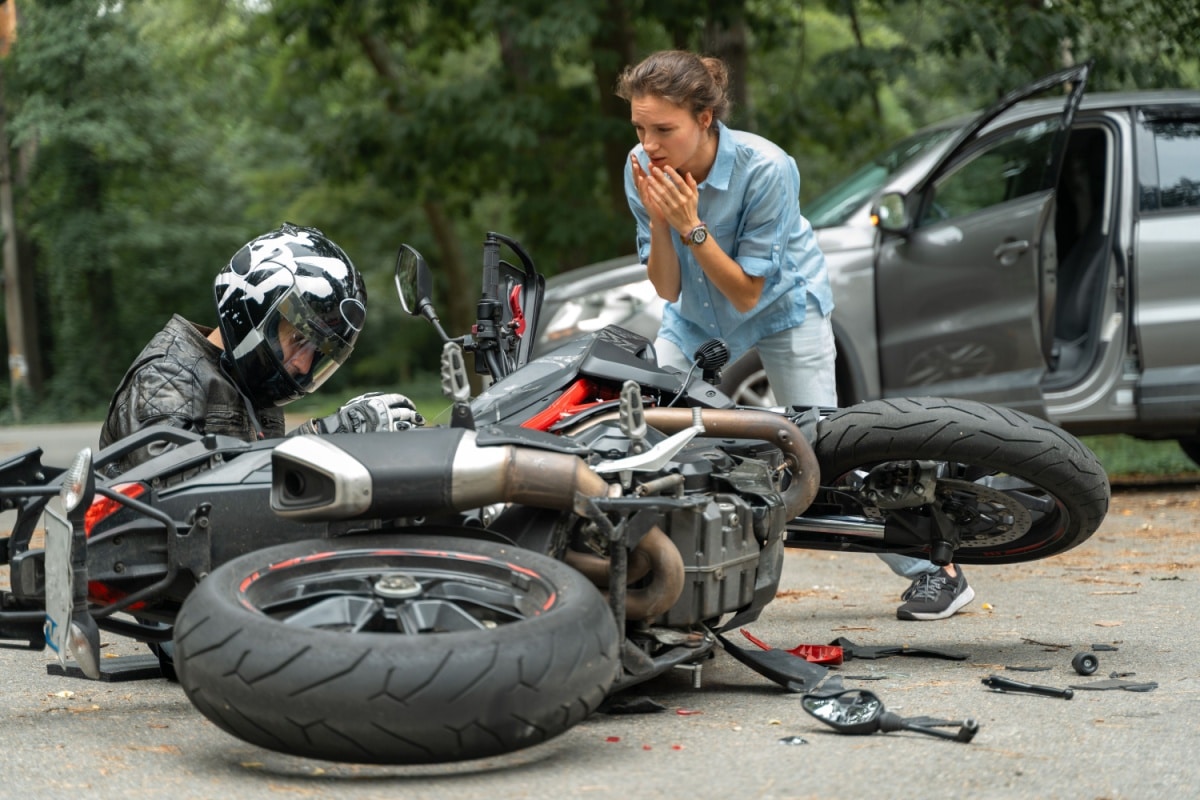
Nobody begins a motorcycle trip expecting to have an accident, but knowing what to do beforehand can make an already difficult situation much easier to manage. In Vietnam, language barriers, unfamiliar traffic procedures, insurance requirements and the fact that you may be hundreds of kilometres from your rental company can add considerable confusion immediately after a crash.
The first priority is always people rather than motorcycles, insurance or arguments about responsibility. Once immediate danger and injuries have been dealt with, the next priorities are documenting what happened, contacting the appropriate people and avoiding decisions that may cause problems later. A minor low-speed incident in Hanoi and a serious collision on a mountain road obviously require very different responses, so this guide covers both.
For a broader explanation of defensive riding, observation and accident prevention, see our How to Ride a Motorcycle Safely in Vietnam guide.
If you are renting from AZ Motorbikes and are involved in an accident, contact us as soon as it is practical to do so. We can help with the motorcycle, communicate with local people where possible and explain the next steps, but serious injuries and immediate danger should always be dealt with first.
For licenses, IDPs, Police, fines, insurance and other legal questions see our Vietnam Motorcycle Legal Vault.
IMMEDIATELY AFTER THE ACCIDENT
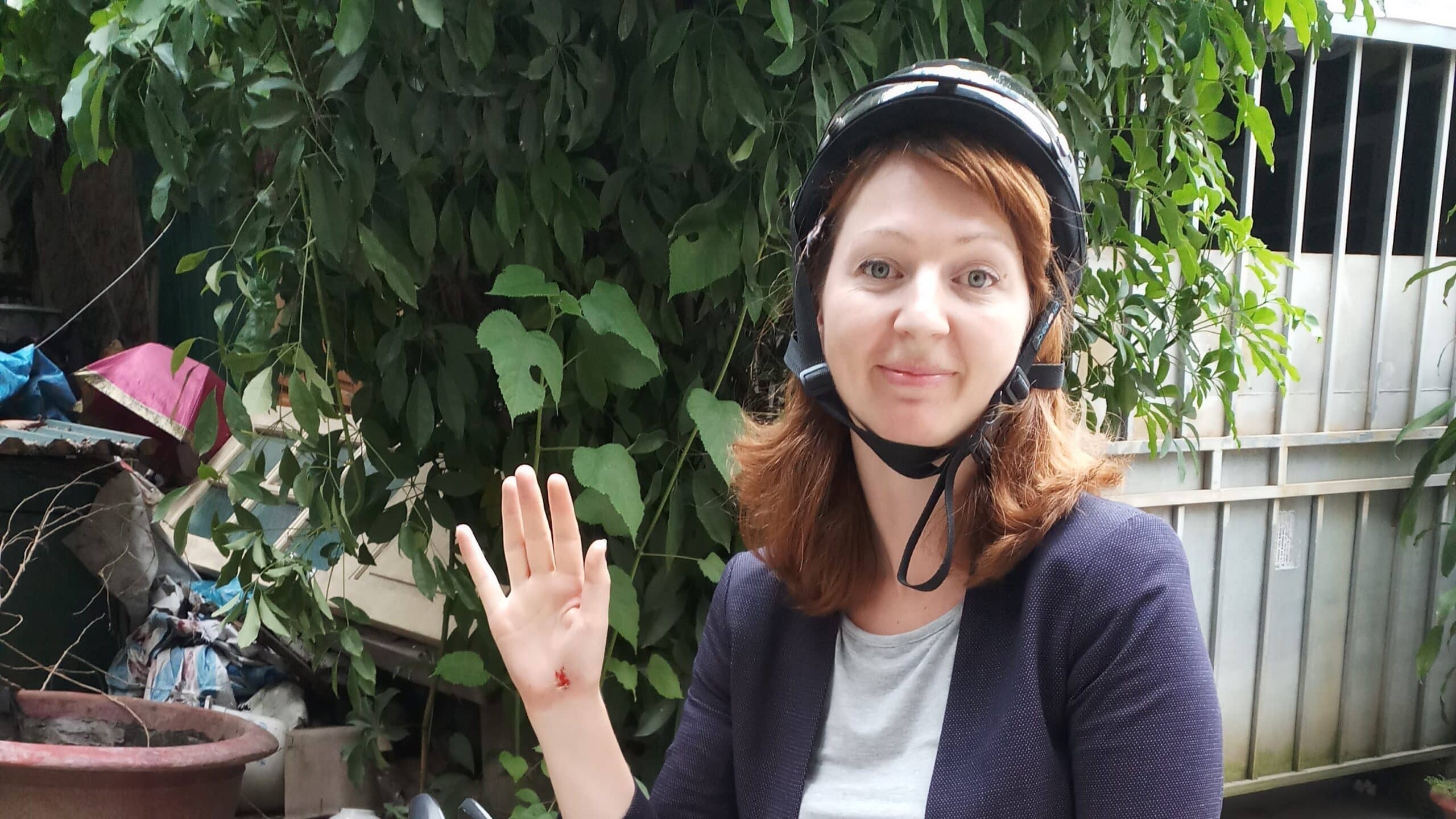
The first few minutes after an accident are usually the most confused. You may be shaken, traffic may still be moving around you and other people may quickly gather at the scene. Try to slow the situation down and deal with the most important problems in order.
Get Yourself and Others Out of Immediate Danger
Before worrying about the motorcycle, check yourself and anybody else involved for injuries. Adrenaline can make injuries seem less serious immediately after a crash, so do not assume you are fine simply because you can stand up.
If you are lying in a dangerous position and there is an immediate risk from traffic, fire or another hazard, getting clear of that danger becomes the priority. If somebody appears seriously injured, particularly with a possible head, neck or spinal injury, avoid moving them unnecessarily unless remaining where they are creates a greater immediate danger.
On busy roads, secondary collisions can be a real risk. If you are physically able to do so safely, warn approaching traffic and move yourself away from the active carriageway while help is arranged.
Call for Emergency Help When Necessary
Vietnam now has a nationwide 112 emergency hotline for accidents and other urgent situations requiring assistance. The 112 system connects with the established 113 police, 114 fire and rescue, and 115 medical emergency services.
For a serious injury, major collision or dangerous accident scene, use the emergency system rather than trying to solve everything yourself. If you are travelling with a guide, accommodation provider or Vietnamese-speaking contact, ask them to help communicate your location and the nature of the accident.
In remote areas, describing your location can be difficult, so send a dropped map pin or live location to somebody you trust if your phone still works. Road name, nearest village, kilometre marker and recognizable landmarks can all help identify where you are.
Do Not Rush to Move the Motorcycle
If the accident is minor and the motorcycle is creating an immediate danger to traffic, moving it somewhere safer may eventually be sensible. Before doing that, however, take photographs of the vehicles and their positions if it is safe to do so, particularly when another vehicle is involved.
For a serious accident, especially one involving significant injury or a dispute about what happened, avoid unnecessarily disturbing the scene until the relevant authorities have dealt with it. The exact procedure will depend on the circumstances, which is why preserving evidence is more useful than trying to follow a single rule for every crash.
DOCUMENT WHAT HAPPENED
Once immediate medical and safety issues are under control, start creating a record of the accident. This may later help the rental company, police, travel insurer or vehicle insurer understand what happened.
Take More Photographs Than You Think You Need
Photograph the entire scene from several angles before concentrating on individual damage. Include the position of the motorcycles or vehicles, road markings, junctions, traffic lights, skid marks, debris and anything else that may explain how the accident occurred.
Then photograph damage to every vehicle involved, including apparently minor damage. Also take photographs of licence plates and, where appropriate, relevant documents exchanged between the parties.
Do not concentrate only on your own motorcycle. A photograph showing the wider road environment may later be far more useful than a close-up of a scratched fairing.
Record the Location and Time
Save your exact location on your phone and make a note of the approximate time of the accident. If your navigation application has recorded your journey, keep that information rather than deleting it.
If there are nearby shops, hotels or businesses with CCTV, note their location. Footage may not remain available indefinitely, so this is information worth passing on quickly if the accident becomes serious or disputed.
Exchange Information Carefully
If another vehicle is involved, obtain the rider or driver’s name and contact details where possible. Photograph the vehicle registration plate and relevant documentation rather than relying entirely on handwritten information.
Stay calm even if the other person is angry or several people have gathered around. Language problems can make disagreements escalate surprisingly quickly, so getting assistance from a Vietnamese-speaking person, your rental company or the police may be more productive than trying to argue about responsibility at the roadside.
MINOR ACCIDENTS
A low-speed collision resulting in little or no injury is very different from a serious road accident. Even so, it is worth taking a few minutes to document what happened properly rather than simply picking up the motorcycle and leaving.
Check for Injuries Before Discussing Damage
People sometimes begin negotiating scratches and broken parts before noticing that somebody has been injured. Check everyone first and reassess yourself once the initial adrenaline begins to settle.
If there is any uncertainty about an injury, getting medical advice is more important than completing a roadside discussion. Head impacts in particular deserve caution even when the rider initially feels relatively normal.
Contact the Rental Company Before Agreeing to Anything Significant
If you are riding a rental motorcycle, contact the rental company before agreeing to major repairs, paying for substantial motorcycle damage or abandoning the bike somewhere. The motorcycle belongs to them, and they need to know what has happened.
Ask AZ Motorbikes to confirm the applicable rental terms, damage responsibilities, repair procedure and any available protection options before you book.
Be Careful With Roadside Settlements
You may encounter situations where those involved want to resolve a minor accident informally at the roadside. Whether that is appropriate depends entirely on the circumstances, the seriousness of the incident, injuries, insurance requirements and whether responsibility is disputed.
Do not assume that paying cash immediately automatically closes the matter, and do not hand over your passport as security. If the amount is significant, injuries are involved or you are uncomfortable with what is happening, get advice from your rental company, insurer or the relevant authorities before committing yourself.
SERIOUS ACCIDENTS, POLICE AND MEDICAL TREATMENT
Once an accident involves significant injury, major vehicle damage or a dispute about responsibility, the situation becomes more formal. Your priorities should remain medical care, accurate information and contacting the people who can help you.
Medical Treatment Comes Before the Motorcycle
If you require medical treatment, concentrate on getting yourself to an appropriate medical facility rather than worrying about who will recover the motorcycle. Somebody else can deal with the bike later.
Keep all medical records, prescriptions, invoices, receipts, scans and discharge paperwork. Insurance claims commonly depend on documentation, and official motor-vehicle insurance procedures can also require evidence relating to injuries and medical treatment.
Take photographs of documents as well as keeping the originals. Storing digital copies in cloud storage or emailing them to yourself prevents important paperwork disappearing during the remainder of the trip.
Police Involvement
Police involvement is much more likely to be appropriate when an accident causes serious injury, significant damage, a dispute between the parties or other circumstances requiring an official investigation. Do not assume that every small motorcycle incident requires exactly the same procedure.
If police attend, remain calm and cooperate. Produce the documents you are legally required to carry when asked and, if language becomes a barrier, request help from a Vietnamese speaker or contact your rental or tour company.
If you are unsure what documents you are legally required to carry, check our guide to International Driving Permits and motorcycle licensing in Vietnam before your trip rather than trying to work it out after an accident.
Do not sign a document you do not understand simply because somebody places it in front of you. Ask for an explanation or translation first, especially where the document concerns responsibility, compensation or the release of a vehicle.
Do Not Leave a Serious Accident Scene Without Advice
If somebody has been seriously injured, do not simply leave because you believe the other person caused the accident. Serious accidents may require investigation and your account of events can become important.
If you are physically able, remain available until the authorities have told you what is required. If you must leave for emergency medical treatment, make sure somebody knows where you have gone and how to contact you.
INSURANCE, DOCUMENTS AND THE RENTAL MOTORCYCLE
The paperwork after an accident can be almost as confusing as the accident itself, particularly because several different types of insurance may be involved. Compulsory vehicle liability insurance, travel or medical insurance and any rental damage arrangement are not the same product and should not be treated as interchangeable.
Contact Your Travel Insurer Early
If you are injured, contact your travel insurer as soon as reasonably possible or ask somebody else to contact them on your behalf. Follow their instructions concerning hospitals, documentation and notification periods.
Do not assume that simply having travel insurance guarantees that motorcycle-related treatment will be covered. Policies may contain requirements relating to your driving licence, International Driving Permit, motorcycle capacity, helmet use or other conditions, which is why these details should ideally be checked before you ride. Our guide to Travel & Medical Insurance for Motorbike Riders in Vietnam explains why licence and IDP validity can directly affect a claim.
If you are unsure whether your permit is valid, check which International Driving Permit you need for Vietnam before travelling.
Keep Every Relevant Document
For insurance purposes, useful records can include your licence, passport identification page, International Driving Permit where applicable, medical documentation, receipts, photographs, vehicle information and accident reports. Vietnam’s compulsory motor-vehicle liability framework also uses documentation relating to the vehicle, driver, insurance and evidence of injury or property damage when claims are processed.
Do not throw away apparently minor receipts until the matter is completely resolved. Transport costs, medical expenses and other accident-related charges may be relevant depending on your particular insurance policy.
Understand What Compulsory Motorcycle Insurance Does
Motorcycles participating in traffic in Vietnam are required to have compulsory civil liability insurance for the vehicle owner. This is fundamentally third-party liability protection and should not be confused with comprehensive insurance that automatically pays for damage to the rental motorcycle itself.
This distinction is particularly important for renters. Damage to the motorcycle you are riding may be dealt with under your rental agreement, a separate damage arrangement or your own insurance rather than the vehicle’s compulsory third-party policy.
“This is fundamentally third-party liability protection and should not be confused with comprehensive insurance that automatically pays for damage to the rental motorcycle itself. Our guide to Vietnam’s compulsory motorcycle insurance (CTPL) explains what this insurance is intended to cover and, just as importantly, what it does not cover.”
What Happens to the Rental Motorcycle?
Once your immediate safety has been dealt with, contact the rental company and explain where the motorcycle is and what condition it is in. Send photographs and your location rather than attempting to diagnose significant damage yourself.
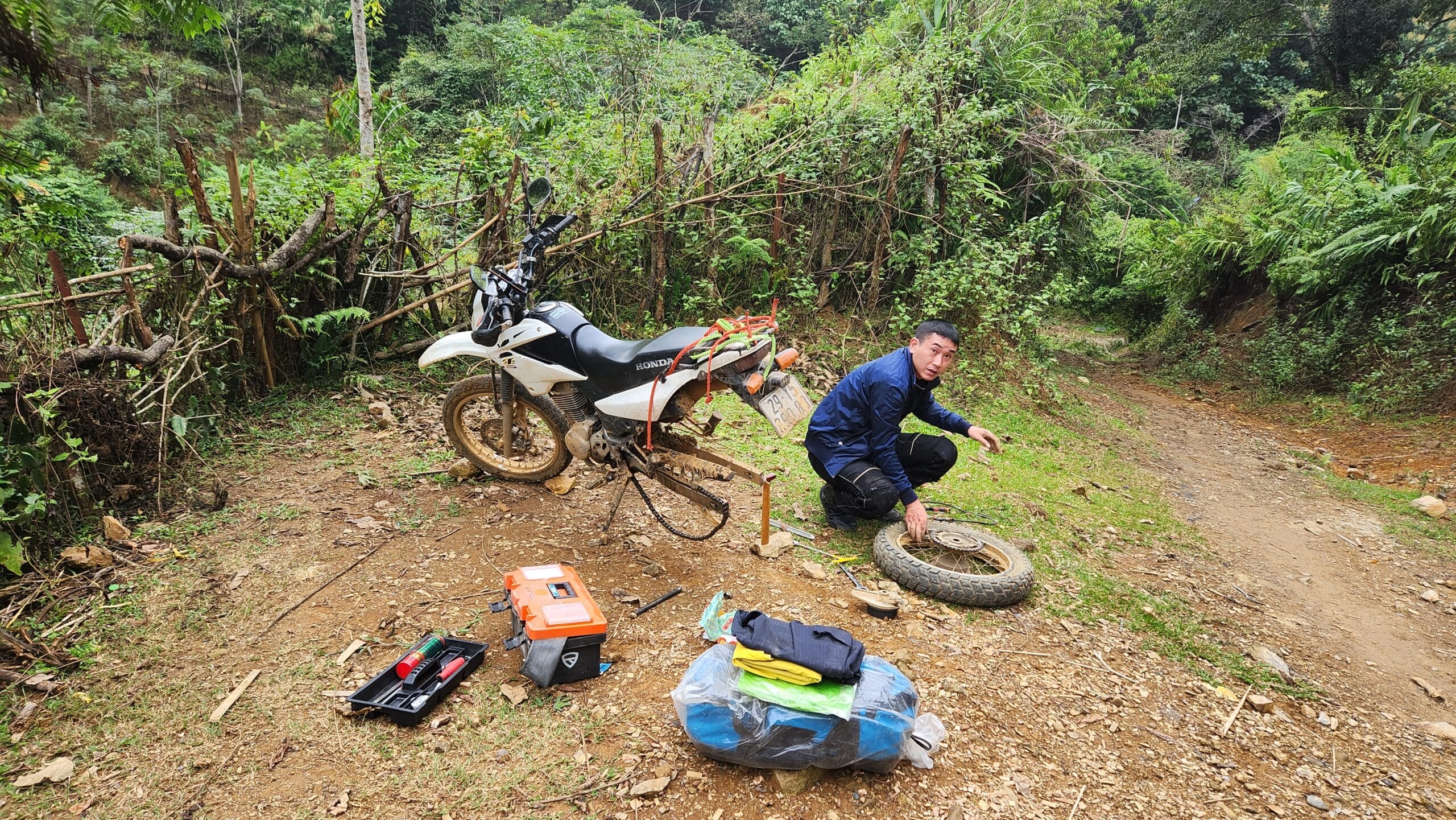
Do not continue riding a motorcycle with damaged steering, brakes, wheels, tyres, suspension or leaking fluids simply because the engine still starts. A motorcycle that survived the initial accident may no longer be safe to ride.
If recovery is required, coordinate it with the rental company where possible. This prevents the motorcycle being taken somewhere inappropriate and gives the owner an opportunity to determine whether recovery or local repair is the better option.
“If you are planning a longer independent trip, it is worth choosing a company that can support you when the motorcycle is hundreds of kilometres away rather than simply comparing the daily rental price. You can view our motorcycle rental fleet before deciding which bike is appropriate for your route.”
Damage and Financial Responsibility
Who ultimately pays for damage depends on the accident, the rental agreement, applicable insurance and any other parties involved. Avoid making assumptions at the roadside about what will or will not be covered.
Before renting any motorcycle, read the damage terms so you understand your potential exposure before an accident occurs. Our guide to rental bike damage, theft and the ‘full comp’ myth explains why rental-bike damage protection in Vietnam may work differently from car insurance at home.
QUICK CRASH CHECKLIST
If you remember nothing else, deal with the situation in this order: first protect people from immediate danger and check for injuries, then call emergency help if needed. Once the situation is stable, photograph the scene, record the location, exchange relevant information and contact your rental company.
For anything beyond a genuinely minor incident, preserve documents and avoid rushing into payments, repairs or written agreements that you do not understand. If medical treatment, police or insurance become involved, good records can make the following days considerably easier.
FAQ
Should I Move the Motorcycle After an Accident in Vietnam?
If the motorcycle is creating an immediate danger and the accident is minor, moving it to a safer position may be sensible after you have photographed the scene. In a serious accident involving injury or a dispute, avoid unnecessarily changing the scene until the relevant authorities have dealt with it unless leaving it where it is creates a greater danger.
Should I Pay the Other Person at the Roadside?
Do not assume that an immediate cash payment is always the correct way to resolve an accident. Minor incidents may sometimes be dealt with informally, but injuries, significant damage or disputed responsibility require much more caution.
If you are riding a rental motorcycle, contact the rental company before agreeing to a substantial payment. If you are unsure what is happening, seek assistance rather than allowing yourself to be pressured into an agreement you do not understand.
Do I Need a Police Report for Travel Insurance?
That depends on your particular insurance policy and the circumstances of the accident. Serious accidents or claims involving significant loss are more likely to require formal documentation, so contact the insurer as early as possible and follow its instructions.
Keep photographs, medical records, receipts and all other documentation regardless. It is much easier to collect evidence immediately after the event than try to reconstruct it several weeks later.
What Happens If the Police Hold the Rental Motorcycle?
If a motorcycle is retained as part of an accident investigation, contact the rental company immediately and give them any information or documentation you have received. Do not attempt to arrange release, repair or transport of the motorcycle without informing the owner.
The procedure will depend on the circumstances of the accident, so avoid relying on generalized stories from other travellers. Your rental company may need to deal directly with the relevant authority because it is the registered owner of the motorcycle.
Who Pays for Damage to a Rental Motorcycle After a Crash?
That depends on the rental agreement, circumstances of the crash and applicable insurance or damage arrangements. Compulsory motorcycle liability insurance should not be assumed to provide comprehensive cover for damage to the motorcycle you rented.
Read the rental terms before riding and ask what happens in the event of accidental damage. Understanding the financial position before the trip is considerably easier than trying to work it out at the roadside after an accident.
DEAL WITH PEOPLE FIRST, PAPERWORK SECOND
Riding in Vietnam is one of the best experiences you can have on two wheels, but it comes with its own rules when things go wrong. Keep a level head, understand how situations are handled locally, and always have a reliable contact you can call. A bit of preparation and the right mindset won’t prevent every accident, but it can make a huge difference in how smoothly you get through one.