
Safety + Legality
Bike Damage and Theft: The “Full Comp” Myth
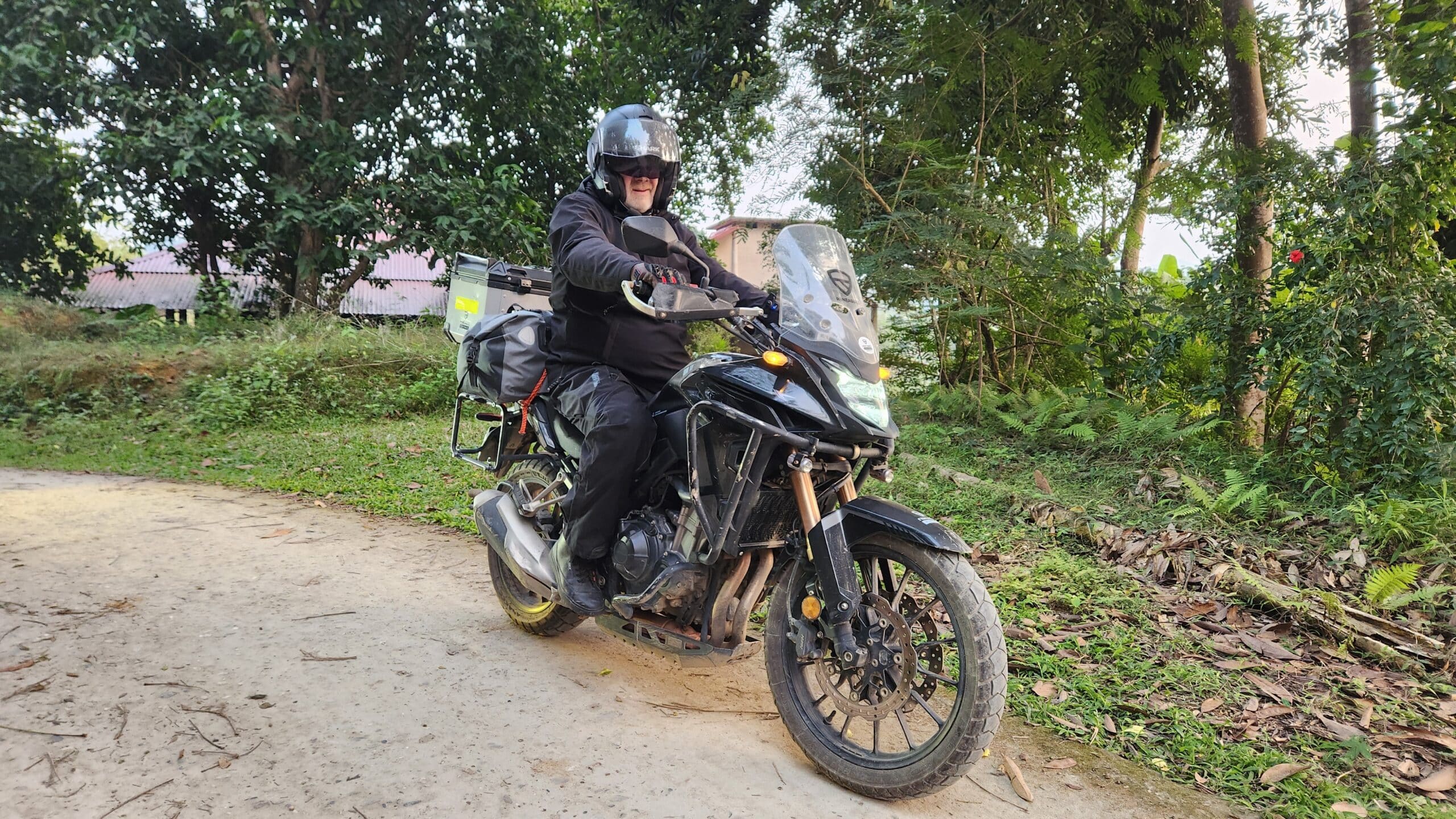
If you rent a car in North America or Europe, the upsell at the counter is always the same: “Would you like to add comprehensive coverage?” You pay a daily fee, and if you wrap the car around a telephone pole, you toss the keys on the desk and walk away.
Naturally, riders arriving at AZ Motorbikes expect the exact same system for motorcycles. They ask for “full comp” coverage for their Ha Giang or Cao Bang loop.
After 25 years in the Vietnamese motorcycle industry, I have to clarify one of the most misunderstood aspects of riding here: For a short-term tourist on a rental bike, traditional comprehensive insurance essentially does not exist.
Why You Can’t Buy “Comprehensive Insurance”
It isn’t that comprehensive insurance policies don’t exist in Vietnam. Major providers like Liberty Insurance and Bao Viet do offer policies (like MotoCare) that cover fire, explosion, accidental damage, and theft.
Here is the catch: These policies are strictly for the legal, registered owner of the vehicle.
Vietnamese insurance companies do not underwrite short-term, third-party rental contracts for foreign tourists. If you rent a Honda CRF300L for three weeks, you cannot simply go online and buy a temporary comprehensive policy for that specific VIN number. Furthermore, credit card rental insurance, which often covers rental cars globally, almost universally excludes two-wheeled vehicles.
So, if you drop the bike and snap a clutch lever, scratch the plastics, or bend the forks, you are 100% financially responsible for the repair costs when you return the bike to the shop.
The Solution: The Damage Waiver

Ask AZ Motorbikes to confirm the applicable rental terms, damage responsibilities, repair procedure and any available protection options before you book.
What is a Damage Waiver?
A Damage Waiver is not an insurance policy; it is a contractual agreement between you and US.
- How it works: You pay an upfront, non-refundable daily or flat fee.
- What it covers: In exchange for that fee, the rental company agrees to absorb the financial cost of accidental damage to the motorcycle during your rental period. This is up to the value of your deposit.
- The Benefit: If you slide out on a gravel patch and crush the fairings and bend the handlebars, you do not have to pay for the replacement parts or the mechanic’s labor.
Ask AZ Motorbikes to confirm the applicable rental terms, damage responsibilities, repair procedure and any available protection options before you book.
What About Theft?
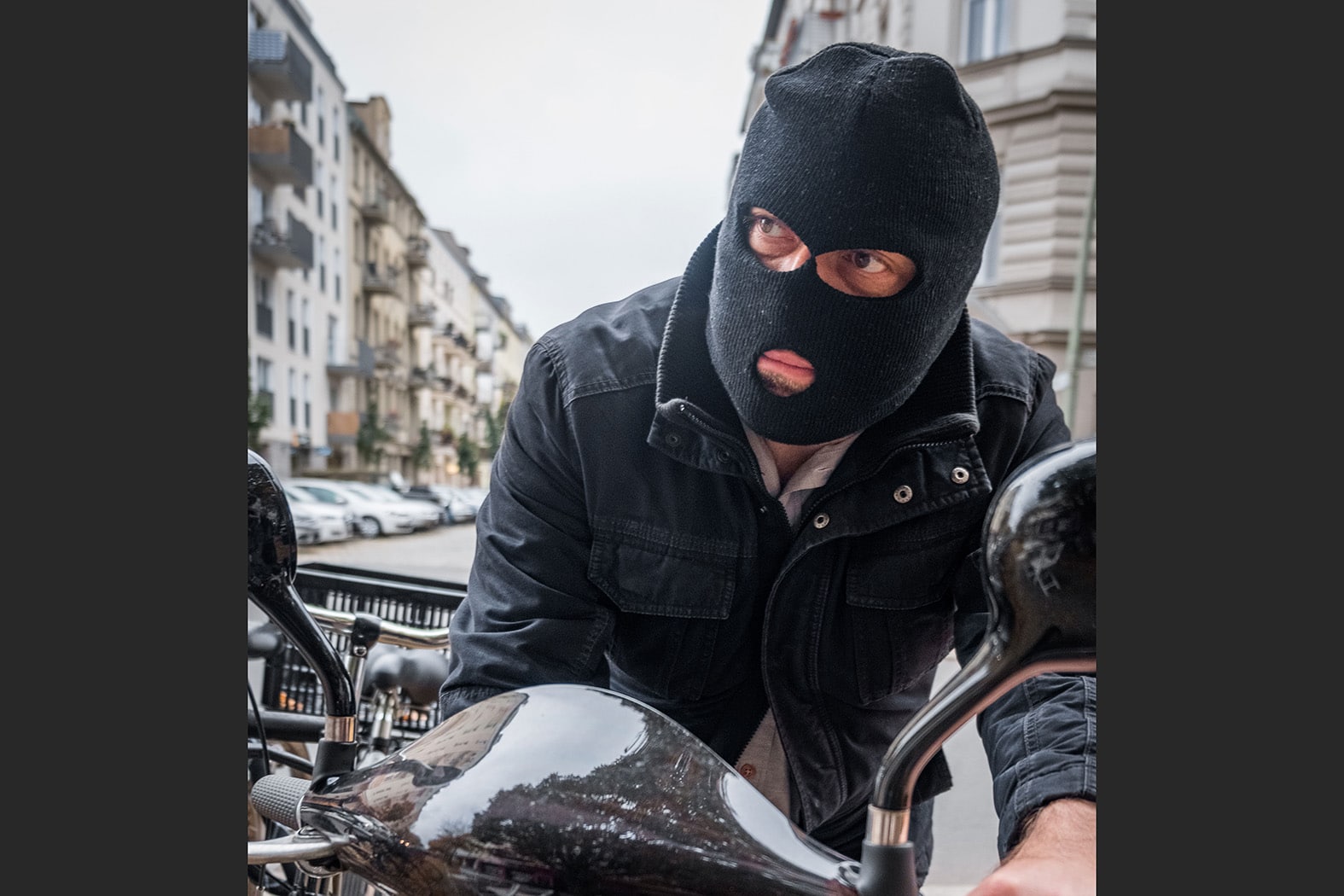
This is often the hardest pill to swallow for many riders: Damage waivers almost never cover theft or total loss and OURS IS NO EXCEPTION. If your rental bike is stolen, or if you drop it off the side of a mountain into a river where it cannot be retrieved, you are responsible for the full replacement value of the motorcycle.
Fortunately, motorcycle theft targeted at foreigners, and the particular bikes we use, on touring routes is incredibly rare in Vietnam, provided you follow basic local protocols:
- Always use paid parking: Whether you are stopping for a coffee, a bowl of pho, or checking into a homestay, always park where there is an attendant. It usually costs between 5,000 and 10,000 VND (less than 50 cents).
- Take the key: Never leave the key in the ignition, even for a “quick photo.”
- Homestay / Hotel security: When staying at a hotel or rural homestay, ensure the host locks the bikes inside the gate or brings them indoors at night.
FAQ
How much does it actually cost if I scratch or drop a rental motorbike in Vietnam?
Minor aesthetic damage like a scraped mirror or a snapped clutch lever might only cost $10 to $20 USD to replace at a local roadside mechanic.
However, if you crash a modern touring bike and crack the plastic fairings, bend the front forks, or smash the LED headlight cluster, the bill can easily exceed $300 to $500 USD for official OEM replacement parts.
Can I just take the damaged rental bike to a local mechanic and fix it cheaply before returning it?
No, absolutely not. While rural mechanics are fantastic for patching a flat tire, they often repair crash damage using counterfeit, low-quality, or mismatched parts. When you return the bike, reputable rental agencies will spot these unauthorized repairs immediately during the final inspection.
They will not be happy as you were explicitly told in the contract and in person to contact them BEFORE any work was carried out on the bike. You will then be charged a second time to strip the fake parts and replace them with official, safe manufacturer components.
Does a damage waiver cover a flat tire, a snapped chain, or a blown engine?
Generally, no. Damage waivers are exclusively designed for accidental collisions (e.g., sliding on gravel and breaking the plastics). Routine road hazards like flat tires or punctured inner tubes are considered the rider’s responsibility to patch on the road.
Conversely, if there is a mechanical failure due to wear and tear or normal use, that is the rental company’s liability. However, if you destroy the engine by attempting to ride through a flooded river (water intake),or you let a local mechanic carry out unauthorized repairs that lead to failure, you will be held financially responsible.
If a local driver crashes into me and it is their fault, do I still have to pay for the rental bike damage?
Yes. Your rental contract holds you responsible for the physical condition of the motorcycle while it is in your possession, regardless of who caused the accident.
While you can attempt to negotiate a cash settlement from the at-fault local driver at the scene to cover your repair costs, this is notoriously difficult for tourists to successfully execute. If the local driver flees, you are left holding the bill—unless you purchased an upfront damage waiver that covers third party damage to the rental vehicle. .
7. Is it cheaper to buy a “backpacker bike” to avoid liability instead of renting?
Many backpackers buy cheap, $250 counterfeit bikes to avoid rental liability. However, these bikes are dangerously unreliable, prone to brake failure, and lack the suspension needed for northern routes. While you won’t owe a rental shop for cosmetic damage if you drop it, you will likely spend significant time and money rebuilding the engine on the side of the road. Renting a modern, maintained bike with a damage waiver is vastly safer and more cost-effective for a standard touring holiday.
The Bottom Line
When you are budgeting for your trip, factor in the cost of a Damage Waiver directly with your rental shop. It is the closest thing to “full comp” you will get in Vietnam, and it provides the peace of mind necessary to actually enjoy the chaotic, thrilling beauty of the roads ahead.