
Routes
When is the Best Time to Ride the Cao Bang Loop?

The best time to ride the Cao Bang Loop depends on what you want from the trip. October generally offers one of the best combinations of comfortable temperatures, good riding conditions and beautiful scenery, but other months have their own advantages.
September brings greener landscapes, fuller rivers and the beginning of the rice harvest, while October usually brings more settled weather and golden fields around Trùng Khánh and Bản Giốc. Ride during the summer and Cao Bang is intensely green with powerful waterfalls, but you should also expect heat, humidity and periods of heavy rain.
Winter can be surprisingly cold in the mountains, while spring often brings mist, blossom and more changeable conditions. There is no single perfect month, so it is better to choose your dates according to the kind of Cao Bang motorcycle trip you want.
The Short Answer
Best all-round time to ride: October. Generally cooler and drier, with excellent autumn scenery and good conditions for spending long days on the motorcycle.
Best for golden rice: Mid-September to early October. The rice fields around Trùng Khánh begin turning gold, although September can still bring significant rain.
Best for powerful waterfalls and green scenery: June to September. Bản Giốc carries much more water and the countryside is intensely green, but this is also the wetter and more unpredictable riding season.
Best for quieter, cooler riding: November to February. Rainfall is generally lower and there are fewer visitors, but mountain mornings can be surprisingly cold and mist can reduce visibility.
1. The Golden Season: September to October
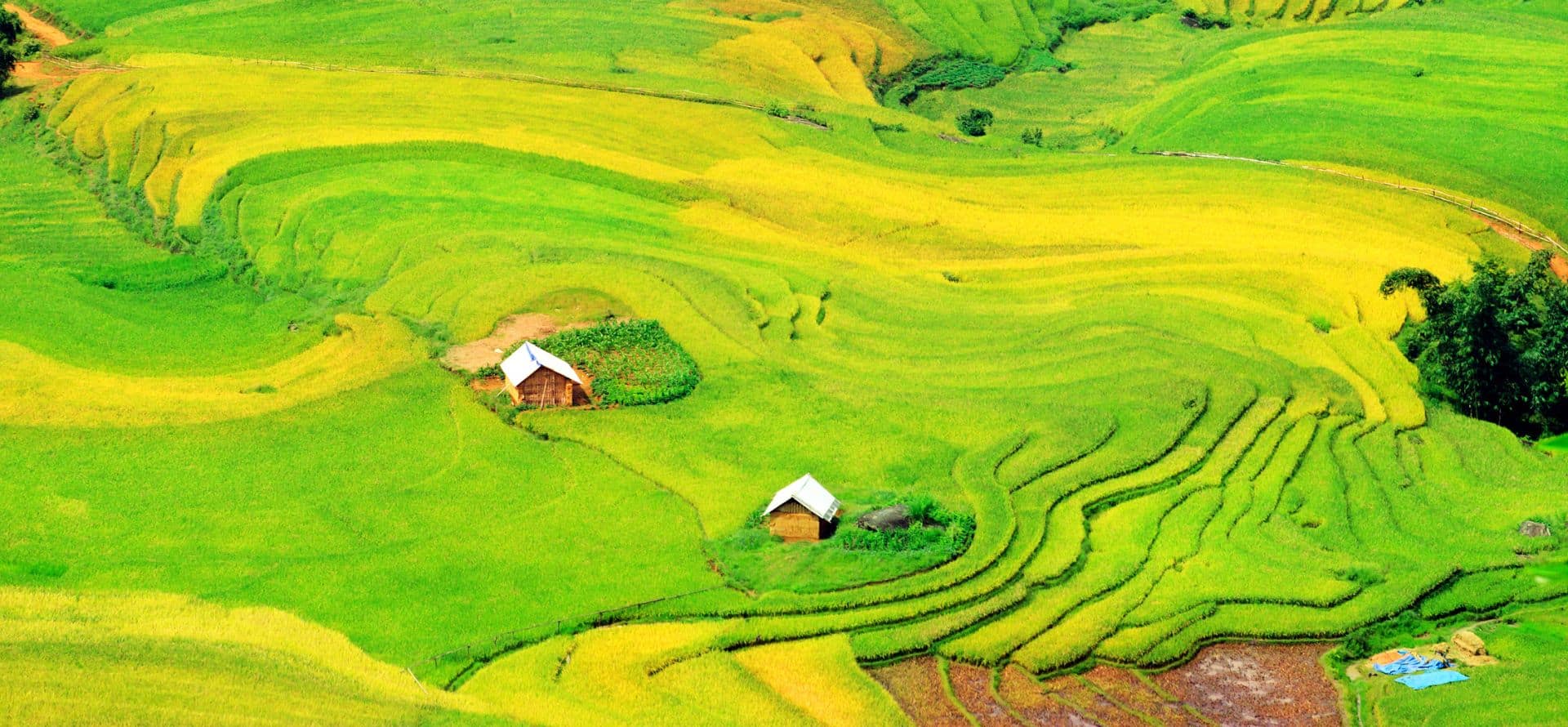
September and October are among the most attractive months to ride in Cao Bang. From around the middle of September into early October, the rice fields around Trùng Khánh begin turning gold, giving the valleys around Bản Giốc some of their best colour of the year.
September is still part of Northern Vietnam’s rainy season, so do not assume every day will be dry. There can still be heavy showers, wet mountain roads and occasional poor visibility. By October, the weather generally becomes cooler and more settled, making it one of our favourite months for longer days on the motorcycle.
Bản Giốc also changes noticeably during this period. In September the waterfall is normally carrying considerably more water after the summer rains. As the dry season begins in October, the flow gradually reduces and the water can become clearer, while the surrounding rice fields add another reason to visit.
For motorcycle riders, this combination is difficult to beat: comfortable temperatures, colourful countryside and generally improving road conditions. It is also a popular time to travel, particularly around Bản Giốc and Trùng Khánh, so accommodation can become busier around weekends and holidays.
If you would rather ride Cao Bang as part of a supported trip, our 7-Day Due North Motorcycle Tour travels through Bảo Lạc and Cao Bang before reaching Bản Giốc Waterfall.
2. The Green Season: May to August
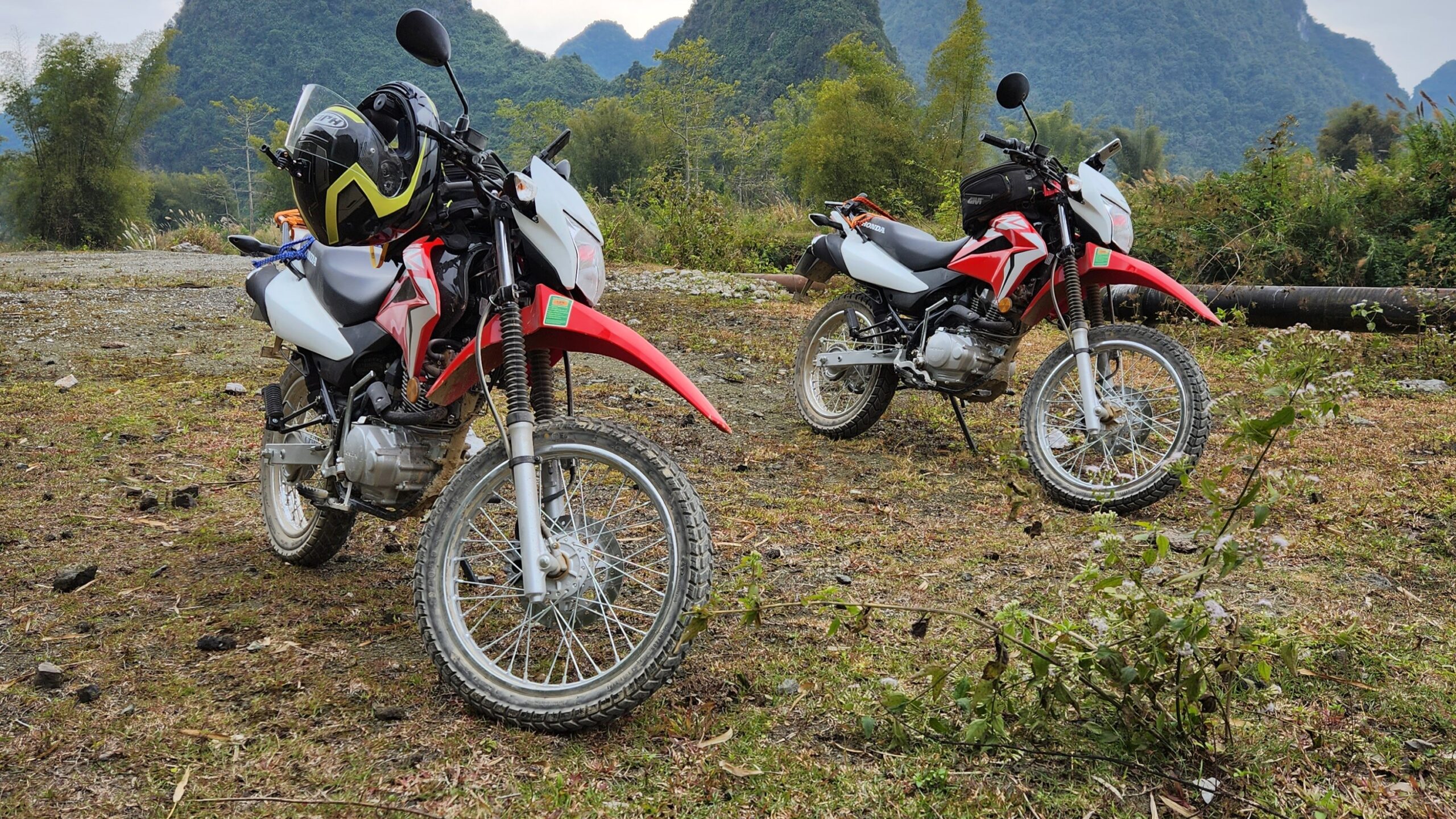
May to August shows Cao Bang at its greenest. Regular summer rain fills the rivers, feeds the waterfalls and turns the valleys and mountainsides an intense green. If seeing Bản Giốc with a large volume of water is high on your list, this can be one of the most impressive times to visit.
The trade-off is more demanding riding. Days can be hot and humid, with heavy showers or thunderstorms developing quickly. A road that was dry when you stopped for lunch can be very different an hour later, particularly in the mountains.
After heavy rain, pay attention to more than the wet tarmac. Mud can wash across the road, gravel can be pulled out from the edges and small landslides or roadworks may leave loose material through corners. Water can also continue running across shaded sections long after the surrounding road has begun to dry, creating sudden changes in grip.
For a broader explanation of how rain, fog and seasonal weather affect motorcycle travel around the country, see our Motorcyclist’s Guide to Vietnam’s Weather.
The weather can also affect your route. After prolonged or very heavy rain, smaller mountain and border roads may occasionally be blocked or damaged. If conditions are poor, it can be better to change the route, use a larger road or simply wait rather than trying to force your way through.
For experienced riders who are comfortable adjusting their plans, the wet season can be a fantastic time to explore Cao Bang. There are fewer guarantees about the weather, but the reward is dramatic scenery, powerful waterfalls and a landscape that looks completely different from the drier months.
If Bản Giốc is one of your main reasons for visiting, see our How to Get to Bản Giốc Waterfall guide. It shows several motorcycle routes from Cao Bang City rather than simply sending you there and back along the same road.
3. The Flower Season: February to April
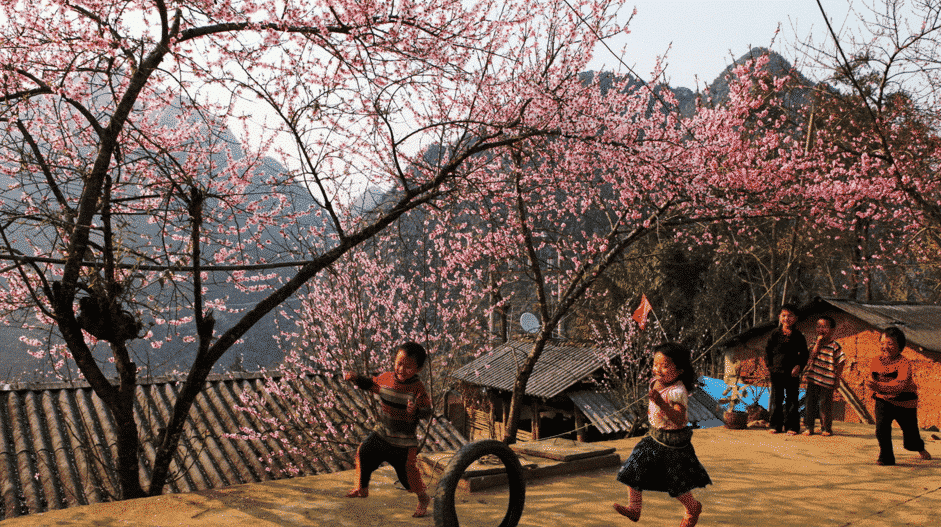
Spring gives Cao Bang a very different character from the green summer months or golden autumn harvest. Peach, plum and other flowering trees appear across the valleys and villages, although the exact timing changes each year according to temperature, elevation and location.
February and March are usually the most interesting months if flowers are one of your reasons for visiting. Some plum trees can bloom considerably earlier, while other areas remain colourful later into spring, so it is better to treat blossom dates as a window rather than planning a trip around one particular week.
For motorcycle riders, spring conditions can be mixed. Temperatures are generally comfortable during the day, but mornings can still feel cold, particularly at higher elevations. Drizzle, mist and low cloud are common enough that roads may remain damp even when there has been no heavy rain.
Higher routes around places such as Phia Oắc can be particularly atmospheric at this time of year, but visibility can change quickly as cloud moves across the mountains. Allow more time than usual and be prepared for a sunny valley to become cool and misty after climbing several hundred metres.
Spring is also one of the most interesting times for local culture. Many traditional festivals in Cao Bang take place during the first and second months of the lunar calendar, so you may encounter much busier towns, markets and village celebrations while travelling through the province.
If you enjoy adding local culture to a riding day, have a look at our guide to Cao Bang’s local markets. Many markets follow the lunar calendar, so it is often possible to include one without changing your motorcycle route very much.
4. The Winter Chill: November to January

November to January can be an excellent time to ride Cao Bang if you prefer cooler weather and quieter roads. This is part of the northern dry season, so prolonged heavy rain is generally less common than during summer, although cloudy days, mist and occasional drizzle are still possible.
November is often particularly pleasant. Daytime temperatures can be comfortable for riding, the summer humidity has largely disappeared and many mountain roads feel noticeably quieter than during the September and October harvest period.
December and January can be much colder. Cao Bang City may feel cool rather than severe, but temperatures fall quickly as you climb into higher areas such as Nguyên Bình and Phia Oắc. During strong winter cold fronts, temperatures in the highest mountains can approach freezing and frost or ice can occasionally form.
For a motorcycle rider, wind chill matters as much as the temperature shown on a weather app. Several hours at 10–15°C can feel surprisingly cold when you are moving, particularly if your gloves, jacket or footwear are not windproof.
Mist is another consideration. Valleys may be clear while higher passes sit inside low cloud, so conditions can change considerably during a single day’s ride. On colder mornings it can be worth starting slightly later and allowing the temperature and visibility to improve before heading into the higher mountains.
The reward is a quieter version of Cao Bang. The countryside is less intensely green than in summer and the rice harvest is finished, but there is less tourist traffic and the cooler temperatures can make long riding days much more comfortable.
If you are planning a complete circuit rather than simply visiting Bản Giốc, our Cao Bang Loop 6-Day Route & Riding Guide shows how Bản Giốc, Pác Bó, Bảo Lạc and Ba Bể can be connected into one motorcycle trip.
Cao Bang Riding Calendar: Which Month Should You Choose?
There is no single month that is best for every rider. October probably offers the strongest overall combination of weather, scenery and riding conditions, but the wet season, spring and winter all have advantages depending on what you want to see.
| Period | Typical Conditions | Riding | Best for | Our view |
|---|---|---|---|---|
| January-February | Cool to cold, generally drier | Usually good, but cold and mist possible | Quiet roads, winter scenery | Good with the right riding gear |
| March-April | Mild, misty, occasional drizzle | Generally comfortable, sometimes damp | Flowers, festivals and spring landscapes | A very interesting alternative |
| May-August | Hot, humid and wetter | Most changeable period | Green scenery and powerful waterfalls | Excellent if you accept the rain |
| September | Warm, green, still some heavy rain | Improving but unpredictable | Full waterfalls and beginning of rice harvest | One of the most dramatic months |
| October | Cooler and generally more settled | Often excellent | Golden ride, comfortable riding and scenery | BEST ALL ROUND CHOICE |
| November-December | Cool and relatively dry | Often very good | Quieter roads and long rinding days | Excellent for riders who prefer cooler weather |
Our Pick: OCTOBER
If somebody asked us to choose just one month for a first motorcycle trip through Cao Bang, we would normally choose OCTOBER. The summer rains are easing, temperatures are becoming more comfortable and there is still plenty of colour in the landscape.
That does not mean you should avoid the other months. If seeing Bản Giốc at its most powerful matters more than having predictable weather, come earlier. If you prefer quiet roads and cooler riding, November or December may suit you better.
The best time to ride Cao Bang is ultimately the time that matches the trip you actually want.
7-Day Due North Motorcycle Tour
Ride deep into Vietnam’s northern frontier: mountain passes, hidden valleys, and rich history packed into one unforgettable week Book NowFAQ
What is the best month to ride the Cao Bang Loop?
If we had to choose one month, we would normally pick October. Temperatures are generally comfortable, the summer rains are easing and the countryside can still have plenty of autumn colour. It is one of the best compromises between scenery and predictable riding conditions.
Is September or October better for the golden rice fields?
The best period is usually mid-September to early October, particularly around Trùng Khánh and Bản Giốc. The exact harvest changes slightly each year and between different valleys, so there is no guaranteed perfect week. September usually gives you greener scenery and more water in the rivers, while October tends to bring more settled riding weather.
Can I ride the Cao Bang Loop during the rainy season?
Yes, but you need to be flexible. From roughly May through September, heavy rain can leave mud and gravel across mountain roads, increase the chance of small landslides and occasionally cause road closures. Conditions can change quickly, so check the weather and local road information and be prepared to change your route rather than trying to complete a planned road at all costs.
How cold does Cao Bang get in winter?
November and December can be very pleasant for riding, but December through February can become surprisingly cold, especially in higher areas such as Phia Oắc. During strong northern cold fronts, temperatures at high elevations can approach freezing. Windproof layers, warm gloves and something waterproof are much more useful than simply wearing a thick jacket.
When is Bản Giốc Waterfall at its best?
That depends on what you want to see. June to September normally brings the greatest water volume and the greenest landscape, but it also comes with more rain and less predictable riding conditions. October generally offers a better balance of waterfall scenery, comfortable temperatures and more settled weather, making it a particularly good choice for a motorcycle trip.
Plan Your Cao Bang Motorcycle Trip
There is no single perfect time to ride the Cao Bang Loop. OCTOBER is our best all-round choice, but September is excellent for rice fields and fuller waterfalls, summer gives you the greenest landscapes, and the cooler winter months can be ideal if you prefer quieter roads.
Once you have chosen when to travel, the next decision is the route. Our Cao Bang Loop Motorcycle Guide shows how places such as Bảo Lạc, Pác Bó, Bản Giốc and Cao Bang City can fit together, while our Cao Bang route maps can help you compare individual roads and alternative ways between destinations.
If you want to ride independently, you can rent a motorcycle in Vietnam and ask us for route advice before you leave. If you would rather have the route, accommodation and logistics organised for you, take a look at our guided motorcycle tours.