
Safety + Legality
The Complete Guide to Vietnam Speed Limits for Motorbikes
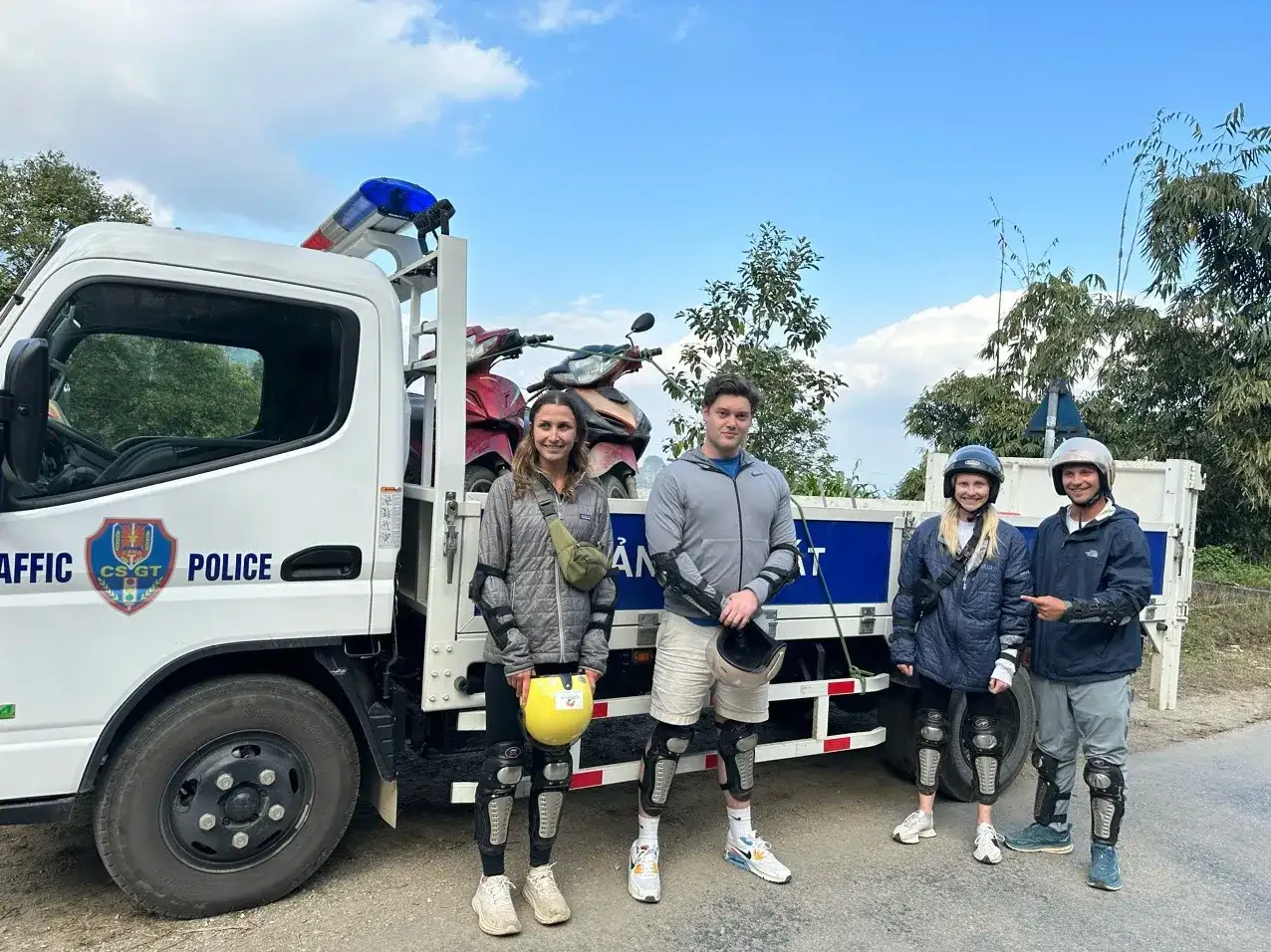
Riding a motorcycle through Vietnam is the best way to see the country, but the rules of the road are strictly enforced. With the implementation of Decree 168/2024, traffic fines have increased, camera networks have expanded, and police checkpoints are more rigorous than ever.
If you are renting a bike, whether it is a nimble scooter for the city or a capable Honda XR150L or CB500X for the northern loops, knowing the local speed limits is critical to avoiding heavy fines or getting your bike impounded.
Here is exactly how fast you are legally allowed to ride in Vietnam.
Vietnam Motorcycle Speed Limits by Road Type
Vietnamese speed limits are dictated by Circular 31/2019/TT-BGTVT. The maximum permitted speed depends on two main factors: whether you are inside or outside a densely populated area, and the physical layout of the road.
These limits apply to motorcycles (xe mô tô), which includes any bike over 50cc.
| Location | Dual Carriageway or 2+ lanes | Two-Way Road or Single Lane |
|---|---|---|
| In Urban Areas | 60 km/h | 50 km/h |
| In Rural Areas | 70 km/h | 60 km/h |
The 40 km/h Exception
If you are riding a moped or electric bike (xe gắn máy) under 50cc, your absolute maximum speed limit is 40 km/h, regardless of where you are or the type of road.
Many people choose a 50cc bike because they do not need a license in order to ride one. However, they are unaware of this law, so beware.
Expressways (Highways)
Do not take your motorbike onto roads marked as “CT” (Cao Tốc). Expressways in Vietnam are strictly for cars and heavy vehicles, and two-wheeled vehicles of any engine size are completely banned.
Penalties, Police, and ‘Cold’ Fines
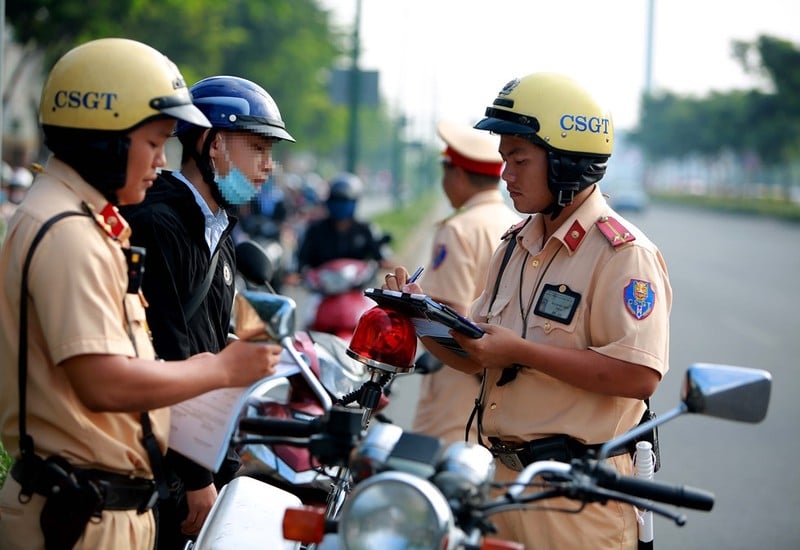
Getting caught speeding in Vietnam no longer just means being waved down by a police officer on the side of the road. The system has modernized significantly.
The Police (CSGT)
Traffic police (Cảnh sát giao thông) wear distinctive tan or yellow uniforms, though public order police in green uniforms can also assist in stops. Checkpoints are common on major national routes (QL roads) and on the entry/exit points of major cities. If you are flagged down:
- Pull over safely and turn off your engine.
- Be polite and remove your helmet and sunglasses.
- Present your valid International Driving Permit (1968 Vienna Convention) and your home license OR your ASEAN License OR your VIETNAMESE License.
Speed Cameras and “Cold Fines” (Phạt Nguội)
Vietnam utilizes a massive network of automated speed and traffic cameras. This system is being rapidly expanded. When a camera catches you speeding, the system generates a “cold fine” (phạt nguội) linked to the vehicle’s license plate.
- For renters: When you return your bike, rental companies check the national database. If a cold fine was recorded during your rental period, you are financially responsible for paying it before your deposit is released.
- Cameras do not flash; you will not know you have been caught until the ticket is logged.
The Cost of Speeding
Under the latest traffic decrees, speeding fines for motorcycles are steep and scale with how far over the limit you were traveling:
- 0 to 5 km/h over: No fine.
- 5 to 10 km/h over: 300,000 – 400,000 VND.
- 10 to 20 km/h over: 800,000 – 1,000,000 VND (plus potential license suspension).
- Over 20 km/h: 6,000,000 – 8,000,000 VND (plus license suspension and vehicle impoundment).
FAQ
How do I know if I am in a “populated area”?
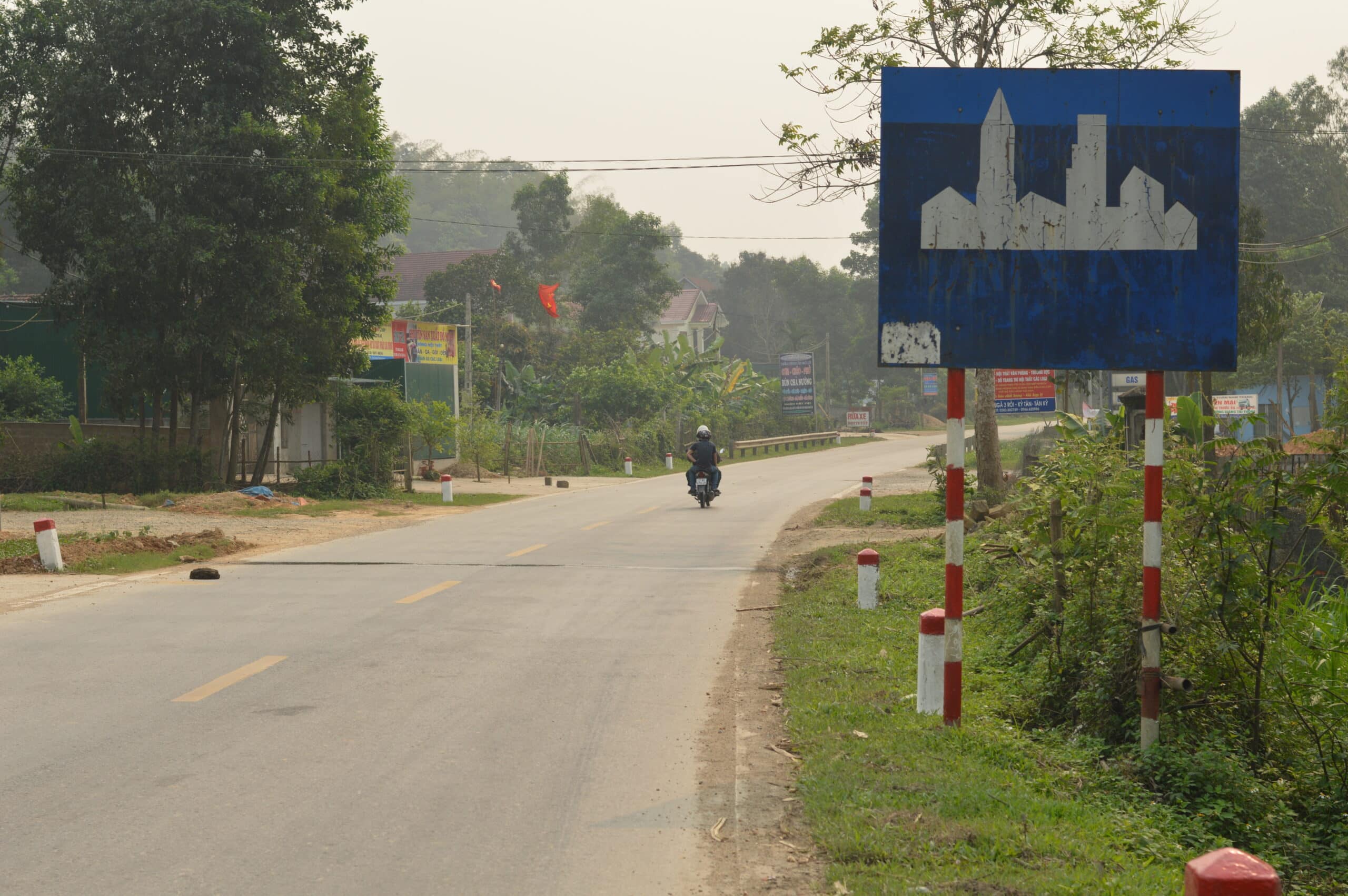
Look for the blue rectangular sign displaying a black skyline silhouette. This indicates the start of an urban zone where the 50/60 km/h limits apply. A similar sign with a red slash through it means you are leaving the populated area, and the rural speed limits take over.
Are speed limits strictly enforced in Vietnam?
Yes. Both automated speed cameras and manual radar guns operated by hidden traffic police are heavily utilized, particularly on long, straight national highways and popular tourist routes.
Do speed cameras capture motorbikes in Vietnam?
Absolutely. The automated camera network records license plates for both cars and motorbikes, automatically logging infractions into the national database for “cold fines.”
Can I ride my motorbike on the expressway in Vietnam?
No. Motorbikes are prohibited on all high-speed expressways (marked with CT). Attempting to ride on one is highly dangerous, illegal, and will result in heavy fines and the bike being impounded.
Do I have to pay cold fines on a rental motorbike?
Yes. The fine is tied to the license plate and the time of the infraction. Reputable rental companies like AZ Motorbikes will check the database when you return the bike, and you will be required to cover the cost of any tickets incurred during your rental dates.
Beyond the Speed Limits
Knowing the rules of the road is only the first step to conquering Vietnam’s legendary mountain passes. Now that you know how to safely navigate local traffic enforcement and avoid cold fines, it is time to focus on the adventure itself.
Whether you are looking to tackle the world-famous Ha Giang Loop, explore our specialized routes in the Cao Bang region, or join our comprehensive 10-Day Due North Guided Tour, we have the perfect itinerary waiting for you.
Still deciding how you want to travel? Browse our premium, meticulously maintained Motorcycle Fleet—featuring the Honda XR150L, CRF300L, and CB500X—or read our complete breakdown on choosing between Guided Tours, and Independent Rentals to find the right fit for your riding experience.
Keep your throttle in check, respect the local limits, and get ready for the ride of a lifetime!